Before You Arrive
Your animal should arrive clean and dry, with any matted fur around the target area trimmed short—the tape needs direct skin contact to function properly. Avoid bathing or applying oils, lotions, or flea treatments for 24 hours beforehand, as these can interfere with adhesion.
Bring your animal's usual lead or carrier to help them feel secure. If your pet is particularly anxious, consider a brief walk or play session before the appointment to help them settle. The practitioner will need to see your animal move naturally, so avoid heavy exercise or pain medication unless specifically advised by your vet.
Most practitioners prefer animals to arrive slightly hungry, as treats become valuable tools for cooperation during the session. Bring high-value rewards your animal particularly enjoys—small pieces of cooked chicken or favourite treats work well.
The Assessment and Application Process
Your practitioner begins with a detailed movement assessment, observing how your animal walks, stands, and transitions between positions. This typically takes 10-15 minutes and helps determine the optimal tape placement strategy. You'll be asked about your animal's specific challenges, recent activity levels, and any areas of particular concern.
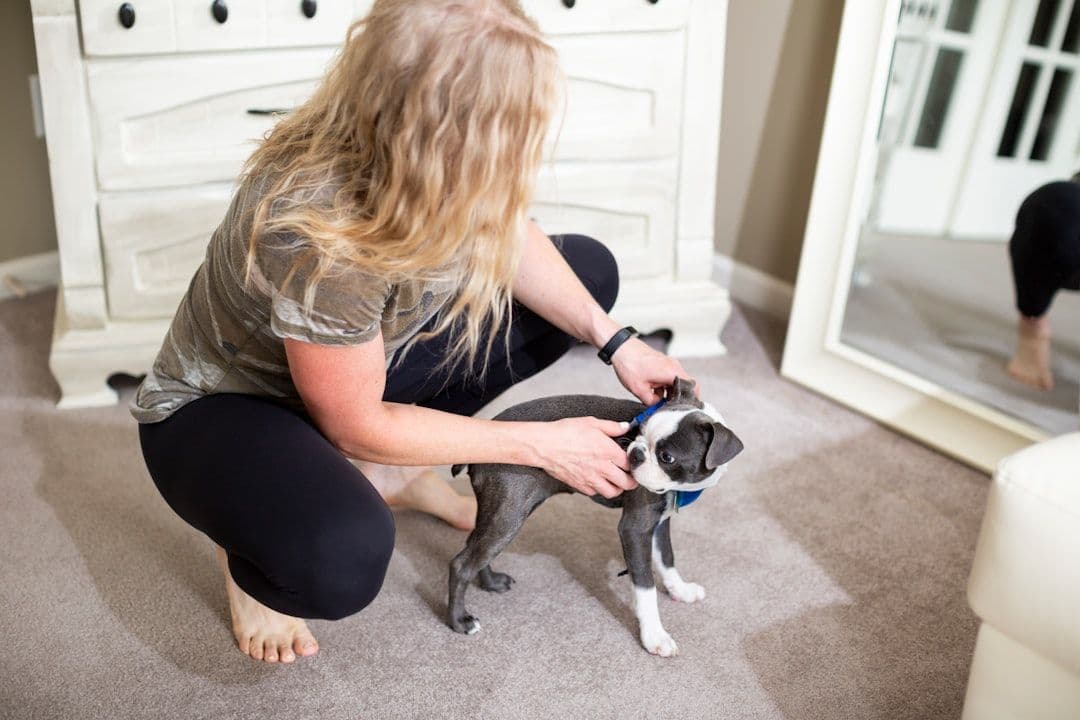
The taping process itself requires your animal to remain relatively still whilst the practitioner applies strips of elastic tape in precise patterns. For dogs, this might involve sitting or lying down; for horses, standing quietly whilst secured. The practitioner works methodically, pressing each strip firmly to ensure proper adhesion whilst monitoring your animal's comfort levels.
Application usually takes 15-20 minutes, depending on the number of areas being addressed. The tape feels slightly cool initially and has a distinctive texture that some animals find curious. Most practitioners work efficiently, using treats and gentle handling to maintain cooperation throughout the process.
What Your Animal Might Experience
During application, many animals show mild curiosity about the tape's texture and sensation. Some may try to look at or sniff the tape as it's applied. This is entirely normal—the proprioceptive feedback the tape provides represents a new sensory experience.
In the hours immediately following application, you might notice your animal occasionally glancing at or gently investigating the taped area. Some animals walk with slightly altered gait patterns for the first few hours as they adjust to the sensation. This typically resolves as they become accustomed to wearing the tape.
Positive changes often become apparent within 24-48 hours. Owners frequently report improved comfort during movement, reduced stiffness after rest, or increased willingness to engage in activities they'd been avoiding. However, responses vary significantly between individuals—some animals show immediate improvement whilst others demonstrate gradual changes over several days.
Aftercare and Daily Management
The tape is designed to stay in place for 3-5 days, remaining effective through normal activities including gentle exercise and brief water exposure. Avoid extended swimming sessions or thorough bathing whilst the tape is applied, as prolonged moisture can compromise adhesion.
Monitor the taped area daily for any signs of skin irritation, excessive scratching, or attempts to remove the tape. Slight redness when the tape is eventually removed is normal, but persistent irritation or discomfort suggests the need for earlier removal.
Maintain your animal's usual exercise routine unless specifically advised otherwise. The tape should move naturally with normal activities—if it appears to restrict movement or causes obvious discomfort, contact your practitioner immediately. Most animals quickly forget they're wearing tape and behave normally within hours of application.
Treatment Plans and Follow-Up
Acute conditions often respond well to 1-3 taping sessions spaced several days apart, allowing assessment of response between applications. Chronic conditions typically require a more extended approach, with 4-6 sessions over several weeks to establish optimal tape patterns and timing.
Your practitioner schedules follow-up appointments based on your animal's response to initial treatment and the underlying condition being addressed. Some animals benefit from regular maintenance taping every few weeks, particularly working animals or those managing ongoing mobility challenges.
Progressively, many animals require fewer sessions as their movement patterns improve or they develop better compensation strategies. Your practitioner monitors progress through movement assessments at each visit, adjusting tape placement and tension as your animal's needs evolve.