Before You Arrive
Your animal should be calm and comfortable before the session. Avoid strenuous exercise for 24 hours beforehand, though gentle movement and normal activities are fine. Ensure your pet has eaten lightly — a full stomach can cause discomfort during treatment, whilst an empty one might lead to restlessness.
Bring your animal's medical history, including any recent veterinary examinations, current medications, and details of ongoing conditions. The practitioner will need to understand previous injuries, surgical sites, and areas of particular sensitivity. A favourite toy or blanket can help anxious animals settle more easily.
Wear comfortable clothes that allow you to move freely, as you may need to help position or reassure your animal during treatment. Avoid strong perfumes or scents that might distract or stress your pet.
The Assessment and Treatment Process
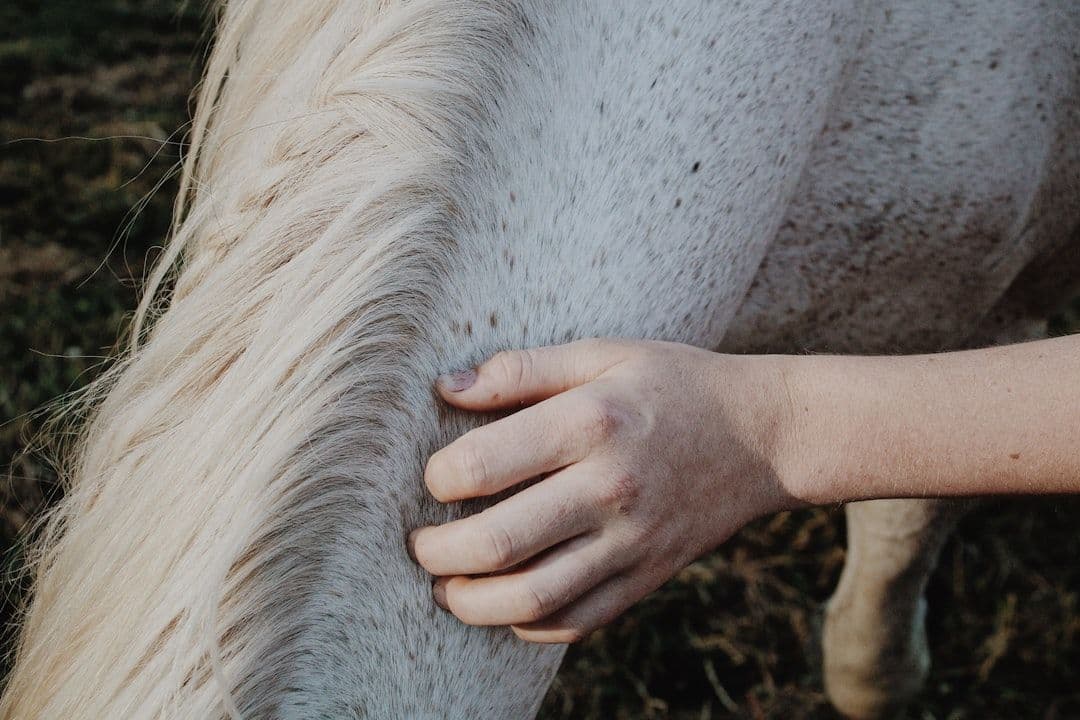
Sessions typically begin with a 10-15 minute assessment. The practitioner observes how your animal moves naturally, noting gait patterns, posture, and any obvious areas of discomfort. They'll gently palpate different areas to identify tissue restrictions, muscle tension, or areas of sensitivity.
The hands-on treatment usually lasts 30-45 minutes. Your animal will be positioned comfortably, often lying on their side or standing, depending on the areas being addressed. The practitioner applies gentle, sustained pressure to specific points in the myofascial tissue, holding each position for 30 seconds to several minutes.
You'll notice the pressure is much lighter than you might expect — this isn't deep tissue massage. The practitioner works slowly and methodically, often returning to areas as tissues begin to release. They may incorporate gentle stretching or mobilisation movements between the sustained holds.
Most animals initially show some awareness of the unusual sensations before settling into relaxation. Some may fidget briefly, whilst others become drowsy almost immediately. The practitioner will adjust their approach based on your animal's responses.
What Your Animal Might Experience
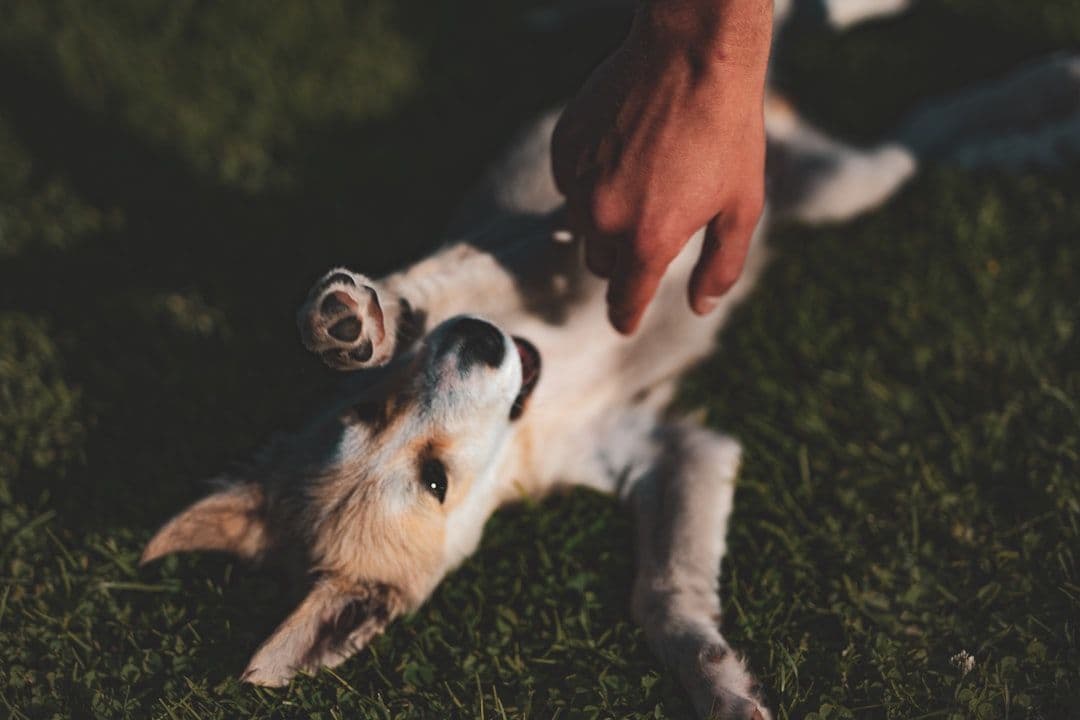
During treatment, you may notice your animal's breathing deepening and their muscles visibly relaxing. Some animals yawn frequently, stretch spontaneously, or make soft vocalisations — all normal responses indicating nervous system release. Others become quite still and meditative.
Occasionally, animals may show brief moments of restlessness or try to move away from certain areas. This often indicates the practitioner has located a restriction. Experienced practitioners know how to work with these responses, sometimes backing off pressure or changing position.
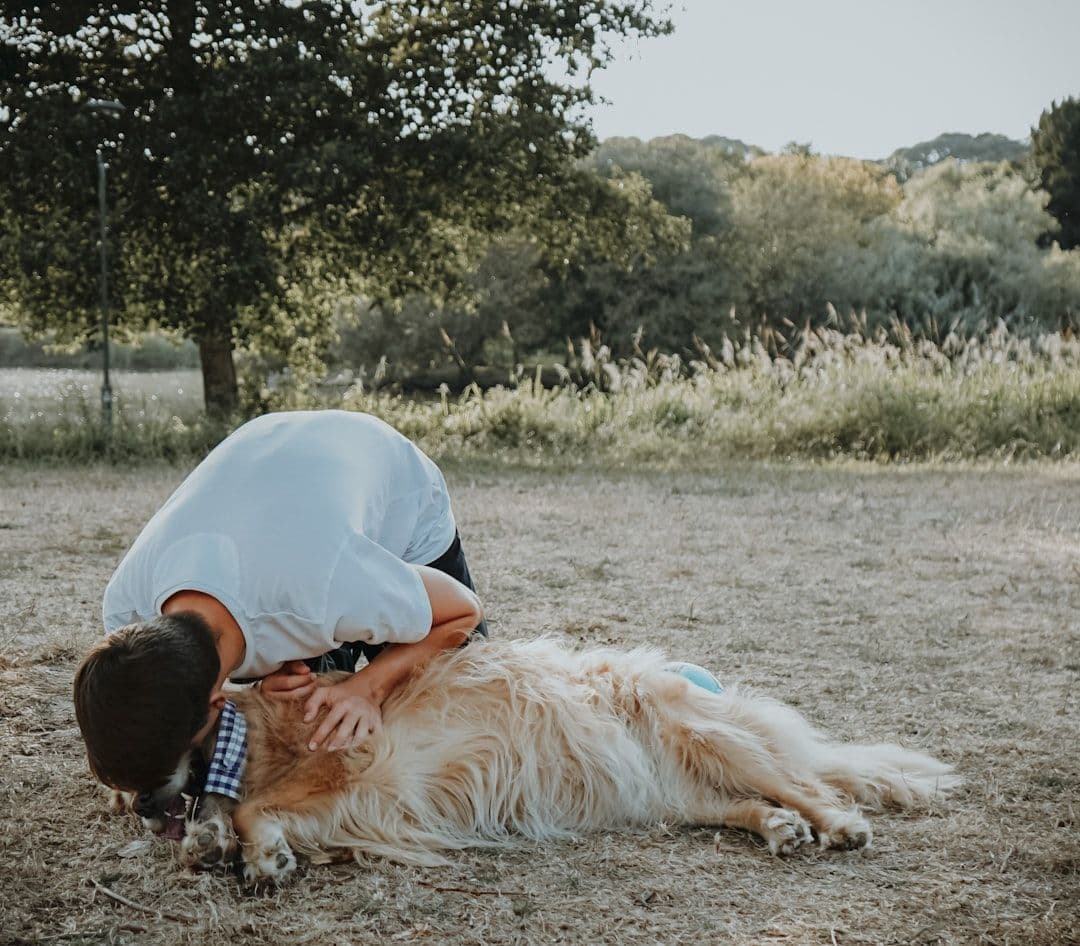
In the hours following treatment, many animals appear more relaxed and move with greater ease. Some may seem slightly sleepy or more affectionate than usual. Others might be more playful, as if rediscovering comfortable movement patterns.
A small percentage of animals may seem slightly stiff or tender for 12-24 hours post-treatment. This temporary response typically indicates that tissues are reorganising and is generally followed by improved mobility.
Post-Session Care
Rest is crucial for the first 24 hours after treatment. Encourage gentle movement — short, leisurely walks for dogs or turnout in a small paddock for horses — but avoid intense exercise, jumping, or demanding training. The tissues need time to integrate the changes made during the session.
Provide access to fresh water, as the release process can be mildly dehydrating. Monitor your animal's movement and behaviour, noting any changes in their usual patterns. Most improvements become apparent within 2-3 days, though some animals show immediate differences.
Avoid other intensive treatments (such as physiotherapy or chiropractic work) for at least 48 hours unless specifically advised otherwise. The goal is to allow the myofascial system to settle into new patterns without conflicting inputs.
Contact your practitioner if you notice any concerning changes in appetite, behaviour, or movement quality. Whilst adverse reactions are rare, professional guidance ensures any unexpected responses are properly addressed.
Treatment Frequency and Progression
Most ANMR programmes involve 3-6 sessions spaced 1-2 weeks apart. This interval allows tissues time to respond and reorganise between treatments. Acute issues may require more frequent sessions initially, whilst chronic conditions often benefit from a more gradual approach.
The first session typically focuses on assessment and general release work. Subsequent sessions target specific restrictions identified during initial treatment, with the practitioner monitoring how tissues respond and adapt their approach accordingly.
Maintenance sessions may be recommended for working animals or those with chronic conditions, typically every 6-12 weeks. The practitioner will reassess your animal's progress after each session, adjusting the treatment plan based on tissue response and functional improvements.
Some animals show dramatic improvements after just one or two sessions, whilst others require the full programme to achieve optimal results. Your practitioner will discuss realistic expectations based on your animal's specific condition and response patterns.