What Happens During Animal Reiki
A nervous rescue dog lies on a soft blanket whilst a practitioner sits quietly beside them, hands hovering just above the animal's body. The dog's breathing gradually slows, their muscles relax, and within twenty minutes they've shifted into a peaceful sleep. This scene captures the essence of Animal Reiki — a practice that adapts traditional Reiki energy healing specifically for companion animals, farm animals, and wildlife.
Unlike human Reiki, where clients lie still on a treatment table, Animal Reiki practitioners must read subtle cues from creatures who cannot verbally consent to treatment. Sessions unfold at the animal's pace. Some pets immediately settle and lean into the practitioner's hands. Others prefer distance work, where the practitioner channels energy from across the room. The animal always chooses how close they want to be.
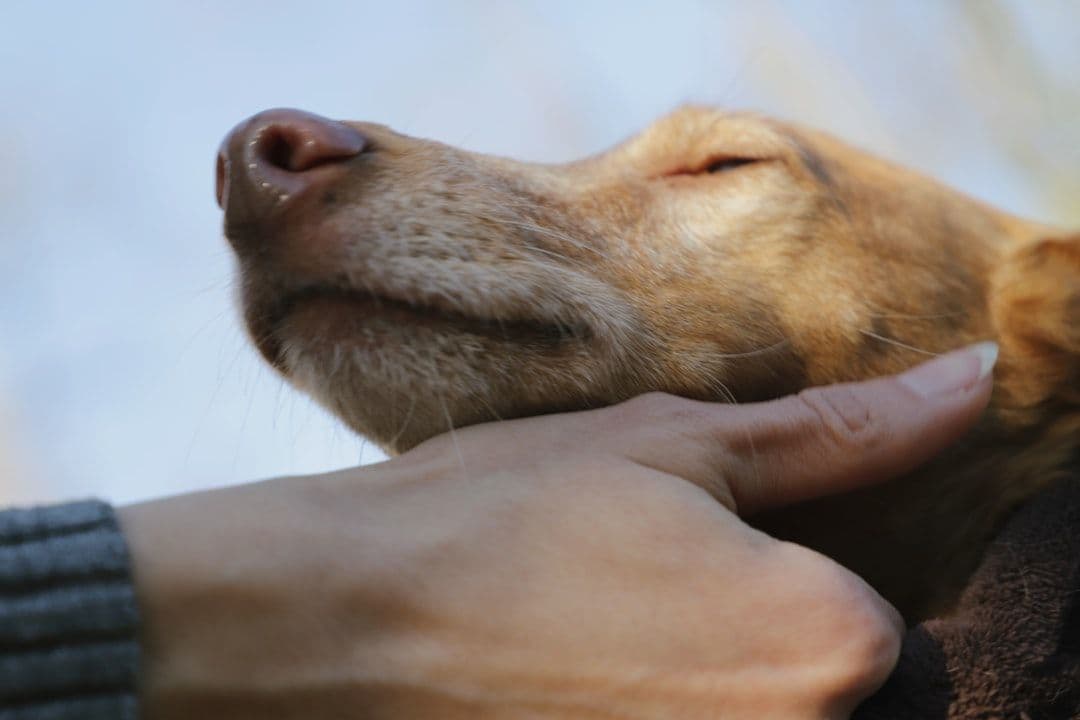
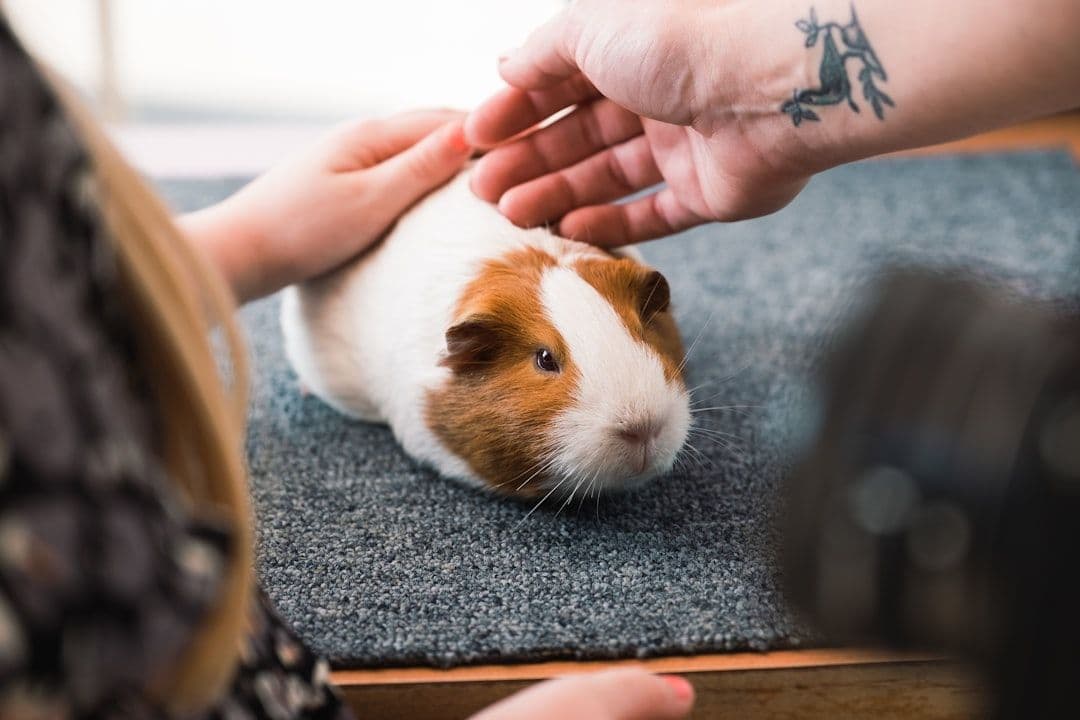
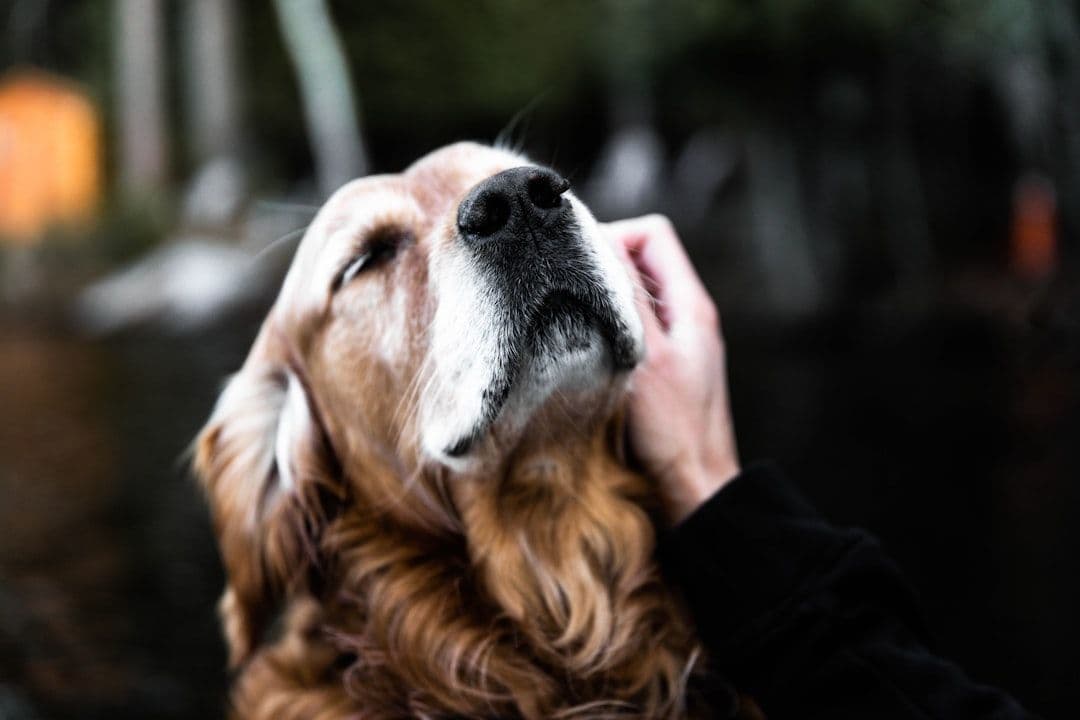
Practitioners place their hands gently on or near the animal's body, typically focusing on areas of tension or discomfort. The touch is light — never restraining or forcing contact. Many animals show visible signs of relaxation during sessions: slower breathing, softened facial muscles, or choosing to lie down when they were previously restless.
From Ancient Reiki to Modern Animal Care
Animal Reiki emerged in the 1990s when established Reiki practitioners began adapting their techniques for pets and farm animals. The practice draws from traditional Usui Reiki, developed in Japan in the early 20th century, but requires additional understanding of animal behaviour and stress signals.
Kathleen Prasad, an American Reiki master, pioneered many current Animal Reiki approaches through her work with shelter animals. Her "Let Animals Lead" method emphasises allowing animals to control the session rather than imposing human treatment protocols. This evolution reflects growing recognition that animals process energy work differently from humans.
Today's Animal Reiki practitioners often specialise in specific areas: companion animal wellness, wildlife rehabilitation, or farm animal welfare. Some work within veterinary clinics as part of integrative care teams, whilst others visit homes, sanctuaries, or rescue centres.
The Energy Framework and Stress Response
Within the Reiki tradition, practitioners understand healing as channelling universal life force energy (called 'ki' or 'chi') to areas where it has become blocked or imbalanced. For animals, these blockages might manifest as anxiety, aggression, withdrawal, or physical tension following trauma, illness, or environmental stress.
From a physiological perspective, the gentle touch and calm presence characteristic of Animal Reiki may activate the parasympathetic nervous system — the "rest and digest" response that counters stress. Research on human-animal interaction shows that gentle contact can lower cortisol levels and heart rate in both species, potentially explaining why many animals visibly relax during sessions.
Animals' heightened sensitivity to environmental energy may make them particularly responsive to this type of intervention. Practitioners often report that animals seem to "ask" for specific hand placements or durations of treatment, suggesting they can sense and direct the energy flow.
Who Might Benefit from Animal Reiki
Animal Reiki particularly appeals to owners of anxious or traumatised animals. Rescue pets adjusting to new homes often show reduced stress behaviours after sessions. Dogs with separation anxiety may become calmer when left alone. Cats recovering from surgery sometimes accept touch more readily after gentle energy work.
Animals facing end-of-life transitions frequently benefit from the deep relaxation that Reiki can provide. Pet owners report that sessions help both them and their companion animals navigate this difficult period with greater peace. The practice offers a way to provide comfort when conventional treatments have reached their limits.
Farm animals and horses also respond well to Animal Reiki, particularly when dealing with transport stress, herd integration issues, or recovery from injury. Wildlife rehabilitators increasingly incorporate energy healing to help rescued animals manage captivity stress whilst healing from injuries.
What to Expect in a Session
Most Animal Reiki sessions begin with the practitioner observing the animal from a distance, assessing their energy and stress levels. Initial contact might involve simply sitting in the same room, allowing the animal to approach if they choose. Forced interaction never occurs.
Once the animal appears comfortable, the practitioner may begin hands-on treatment, starting with less sensitive areas like the shoulders or back. Sessions typically last 20-45 minutes, though some animals indicate they want shorter or longer treatments. The practitioner follows the animal's lead throughout.
Owners often stay present during sessions, learning simple techniques they can use between professional treatments. Many practitioners teach basic hand positions and energy awareness exercises that pet owners can practise at home. This collaborative approach extends the benefits beyond the formal session.
Current Research and Evidence
Scientific research on Animal Reiki remains limited but growing. A 2019 pilot study of shelter dogs found that those receiving Reiki showed reduced stress behaviours compared to control groups, though the sample size was small. Another preliminary study suggested that horses receiving energy healing demonstrated lower cortisol levels after treatment.
Most evidence currently comes from practitioner case studies and owner reports rather than controlled trials. Animal welfare organisations, including some RSPCA centres, have begun incorporating energy healing into their programmes based on observed benefits, though rigorous research is needed to confirm these anecdotal findings.
The challenge of conducting Animal Reiki research lies partly in measuring subjective experiences in non-verbal subjects. Researchers are exploring physiological markers like heart rate variability and stress hormone levels to provide objective measures of treatment effects.
Finding Qualified Practitioners
Animal Reiki practitioners should hold both Reiki qualifications and specific animal behaviour training. Look for certification through organisations like the UK Reiki Federation combined with animal-specific courses. Many practitioners have backgrounds in veterinary care, animal behaviour, or wildlife rehabilitation.
Sessions typically cost £40-80, with initial consultations sometimes priced higher. Most practitioners recommend 3-4 sessions initially, then maintenance treatments as needed. Home visits often incur additional travel charges, whilst some practitioners offer distant healing sessions at reduced rates.
Always verify that practitioners work collaboratively with veterinary care rather than positioning themselves as alternatives to medical treatment. Reputable Animal Reiki practitioners will ask about your animal's health history and maintain communication with your veterinary surgeon when working with sick or injured animals.