Before the Session: What to Expect
Before you begin exploring an anti-inflammatory diet, you might feel a mix of hope and uncertainty. Perhaps you've been living with persistent joint stiffness, digestive discomfort, brain fog, or fatigue—symptoms that conventional approaches haven't fully resolved. You've heard that what you eat might matter, but the prospect of changing your diet feels overwhelming. Will it actually help? What will I have to give up?
The truth is that starting an anti-inflammatory eating pattern isn't about dramatic overnight transformation. It's about building awareness of how your body responds to different foods and gradually shifting toward nourishing choices. Before you begin, it can help to notice your baseline: How's your energy? Your digestion? Your joint comfort? Do you experience afternoon brain fog? Sleep disturbances? These observations become your personal reference points, the before picture you'll compare against as weeks unfold.
Many people find it useful to consult a registered dietitian or nutritionist before making significant changes, especially if they have a diagnosed condition, take medications, or aren't sure where to start. A professional can help personalize the approach, identify your specific inflammatory triggers, and ensure nutritional completeness. This isn't about perfection or deprivation; it's about informed, sustainable change.
Arriving and Setting the Scene
When you commit to exploring an anti-inflammatory diet, you're not attending a physical appointment but rather stepping into a new relationship with food and your body. The beginning often starts with curiosity and education—perhaps you've read about anti-inflammatory foods, spoken with a practitioner, or noticed a pattern between certain foods and how you feel.
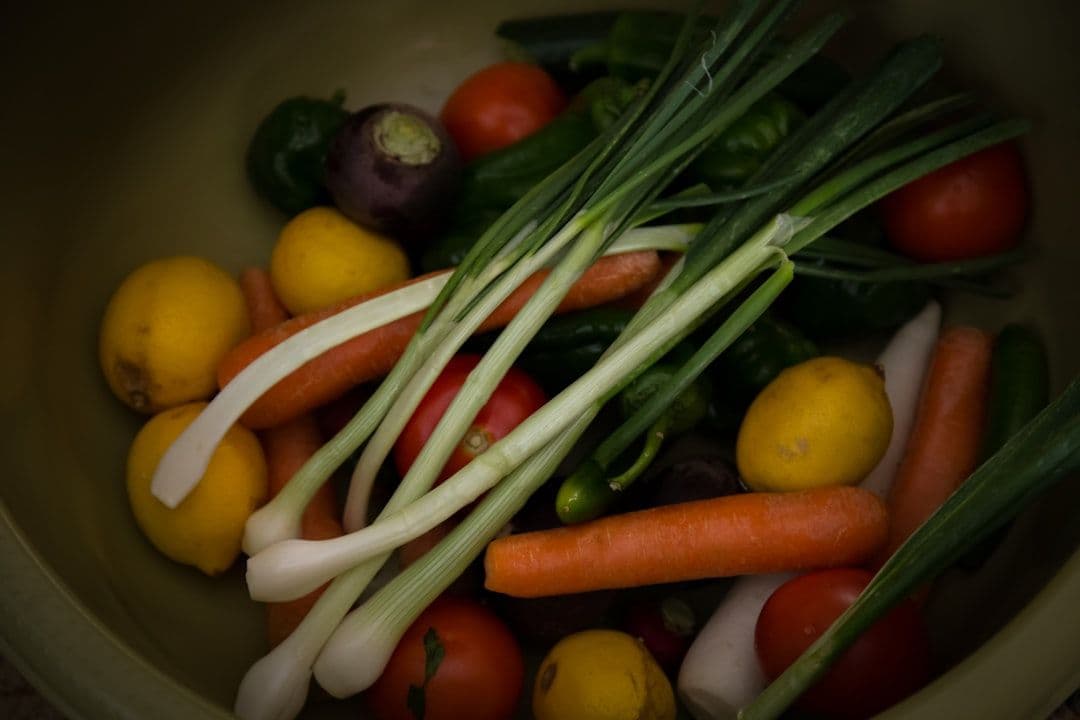
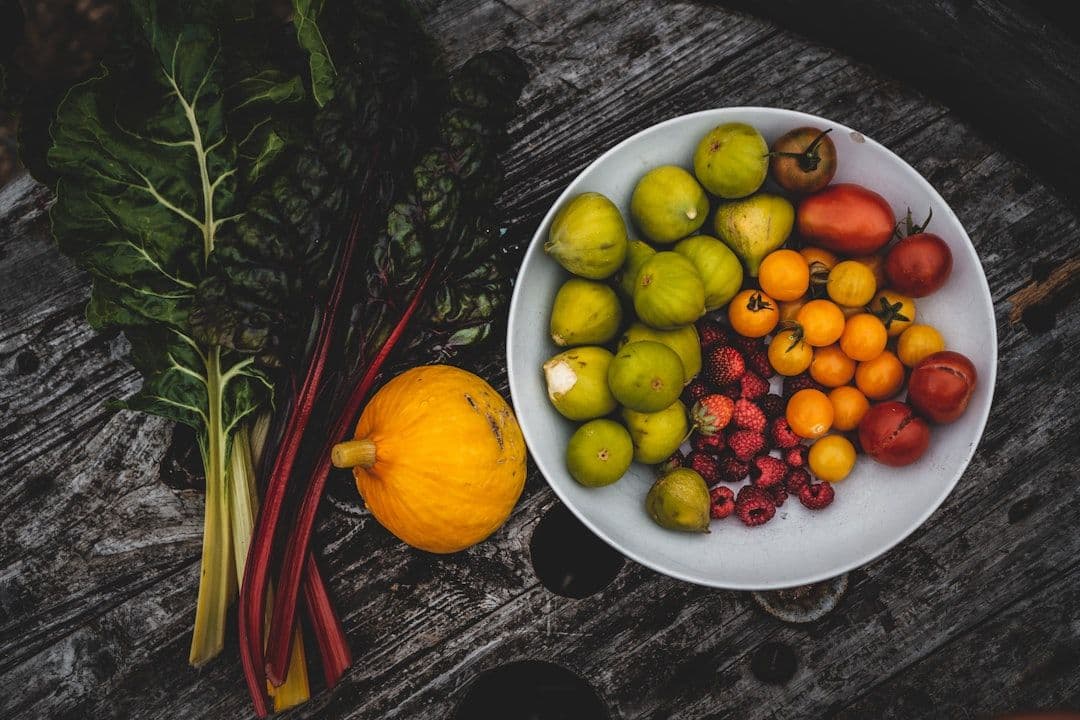
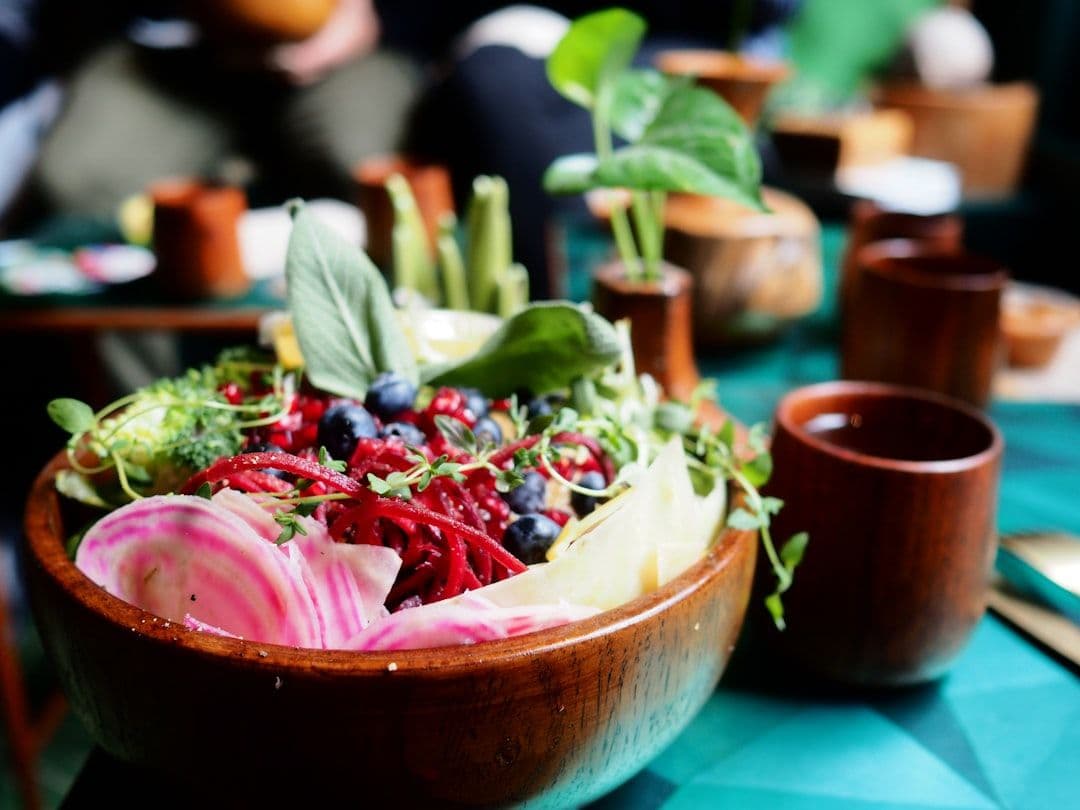
You might visit a farmer's market or grocery store and encounter foods that feel unfamiliar or exciting: deep leafy greens, colorful berries, types of fish you haven't tried, or nuts and seeds you'd overlooked. You notice vibrant produce, perhaps picking up olive oil or exploring spices you haven't used before. The environment shifts from mindless consumption to mindful selection.
At home, you might begin reading ingredient labels, noticing how much refined sugar and processed ingredients appear in everyday foods. Some people find this revelatory; others experience a moment of sadness or frustration at recognizing how far removed modern eating has become from whole foods. This is normal. The shift toward anti-inflammatory eating is gradual—you're not expected to overhaul everything instantly. Many practitioners recommend starting with one or two changes: perhaps swapping your usual oil for olive oil, adding more leafy greens to lunch, or replacing a processed snack with whole fruit and nuts.
During the Session
The 'session' of an anti-inflammatory diet unfolds over weeks and months—it's an evolving practice rather than a single event. In the first week or two, you might feel curious and motivated as you try new foods. Your kitchen begins to smell different: garlic and olive oil sizzling, fresh herbs being used more liberally, fish baking instead of processed convenience foods heating up.
Your body may send mixed signals at first. Some people notice improved digestion within days; others experience temporary changes as their gut microbiome begins adapting to more whole foods and fiber. You might feel slightly more energized in the morning or notice that afternoon energy dip diminishing. Some experience clearer thinking by mid-morning. These shifts are subtle but real—not dramatic overnight changes, but gentle improvements that accumulate.
Weeks two through four often bring more noticeable shifts. Joint stiffness may ease slightly, especially first thing in the morning. Brain fog might lift incrementally. Sleep may deepen. These changes occur because anti-inflammatory foods contain natural compounds—omega-3 fatty acids, polyphenols, antioxidants—that help your body's natural inflammatory response function more optimally.
Simultaneously, you're learning your personal triggers. Perhaps you notice that certain processed foods leave you feeling sluggish or achy, while whole foods consistently make you feel better. This knowledge becomes your internal guide, more powerful than any external rule. By week six to eight, the anti-inflammatory approach begins feeling less like a diet and more like a way of eating that simply makes you feel better. The foods you're choosing become preferences rather than restrictions. You find yourself naturally gravitating toward them because of how they make you feel.
How You May Feel Afterwards
After several weeks to months of consistent anti-inflammatory eating, many people report meaningful changes. Joint pain and stiffness may decrease noticeably—mornings might feel less achy, and movement becomes easier. People managing arthritis often report improved comfort and flexibility. Those with digestive issues frequently experience more stable, comfortable digestion; IBS symptoms like bloating, irregular bowel patterns, and cramping often improve significantly. Energy levels frequently increase, and that persistent brain fog many have lived with for years can lift, revealing mental clarity they'd almost forgotten.
Beyond physical symptoms, people often describe improved mood and emotional resilience. Fatigue that felt immovable begins shifting. Sleep quality may deepen. For those with autoimmune concerns, inflammation markers checked by their doctor may show measurable improvement over time. The cumulative effect is often described as feeling more like yourself—as if you've turned down background static you didn't realize was there.
It's important to recognize that responses vary. Some people experience rapid improvements; others notice more gradual shifts. Some conditions respond noticeably; others require longer timelines or additional support. This is why working with your healthcare provider and a registered dietitian matters—they can monitor your progress, adjust your approach, and ensure dietary changes integrate well with any medical treatment you're receiving.
Perhaps most significantly, many people discover that they've developed a new relationship with food. It's no longer about restriction or deprivation but about nourishment and how choices directly affect how they feel. This shift in perspective often proves more sustainable than any external diet ever could.
Is It Right for You?
An anti-inflammatory diet may be worth exploring if you live with conditions like arthritis, IBS, endometriosis, autoimmune concerns, eczema, or persistent fatigue and brain fog. It can be particularly valuable if you're seeking complementary strategies to support conventional medical treatment. This approach works best for people willing to make gradual, sustainable changes and who recognize that food affects how they feel.
It's not meant as a replacement for medical care. If you have a serious condition, are pregnant or breastfeeding, take medications that affect nutrient absorption, have a history of disordered eating, or manage multiple health concerns, consult with a registered dietitian and your healthcare provider before making significant dietary shifts. They can personalize this approach for your unique situation and ensure it complements your overall care.
The evidence supporting anti-inflammatory eating is moderate across most conditions—meaning research shows promise, but individual responses vary. This isn't a guaranteed cure or quick fix; it's a foundational dietary approach that many people find supports their overall wellbeing and symptom management when combined with appropriate medical care and professional guidance.
If you're curious about whether this approach might help you, start by reflecting on how different foods make you feel. Notice patterns. Speak with a qualified practitioner. Begin with small, manageable changes rather than overhauls. Allow time for shifts to unfold. Most importantly, recognize that sustainable wellness comes from informed choices made with professional support, not from rigid adherence to any single dietary philosophy. An anti-inflammatory diet is most powerful not as dogma, but as a personalized practice aligned with your body's needs and your life's rhythm.