Floating Between Touch and Movement
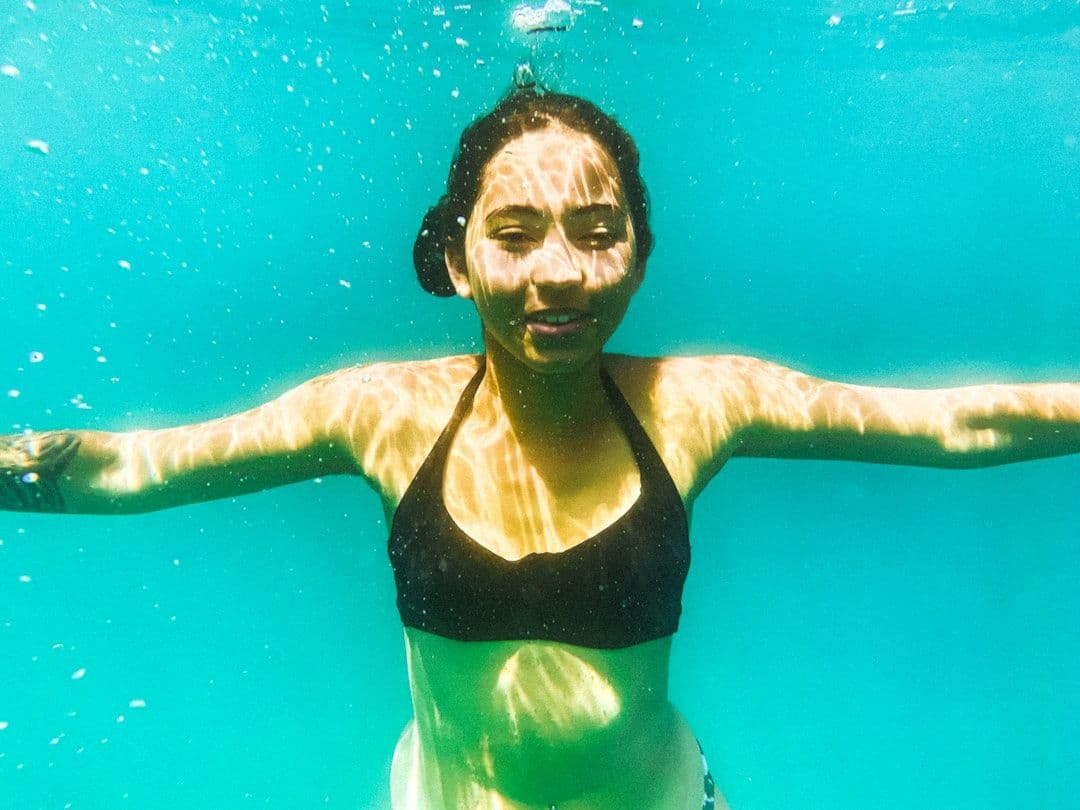
Imagine lying horizontally in warm water, feeling nearly weightless as skilled hands guide your body through gentle stretches and flowing movements. Your legs might sweep through graceful arcs whilst the practitioner supports your head and neck, or you might find yourself in a supported foetal position as warm water cradles every inch of your skin. This is aquatic bodywork—a practice that transforms familiar therapeutic techniques by moving them into the unique environment of heated pools.
Unlike conventional massage performed on a table, aquatic bodywork uses water's natural properties as a therapeutic tool. The buoyancy reduces joint compression by up to 90%, allowing movements that might be uncomfortable or impossible on land. Meanwhile, the warmth—pools are typically maintained at 32–35°C—promotes muscle relaxation and vasodilation, creating an environment where tension can release in ways that surprise both practitioner and client.
From Pool to Practice: Origins and Evolution
The roots of aquatic bodywork trace back to the 1980s when Harold Dull, an American practitioner of Zen Shiatsu, began adapting his land-based techniques for use in warm water pools at Harbin Hot Springs in California. He developed what became known as WATSU (a portmanteau of 'water' and 'shiatsu'), which combined the meridian-based pressure point work of shiatsu with fluid, dance-like movements through water.
From this foundation, other forms emerged. WaterDance added underwater elements, whilst Healing Dance incorporated more flowing, serpentine movements. Each method maintains the core principle of using water's supportive environment to facilitate therapeutic touch and movement, though they differ in their specific techniques and philosophical approaches.
The practice spread throughout Europe in the 1990s, with training centres establishing in Germany, Switzerland, and the UK. Today's aquatic bodywork encompasses various approaches, from more structured therapeutic protocols to intuitive, movement-based sessions that blur the lines between bodywork, dance, and meditation.
The Science of Weightless Healing
Aquatic bodywork operates through several interconnected mechanisms. Water's buoyancy reduces the load on weight-bearing joints, allowing for greater range of motion whilst decreasing pain signals from compressed tissues. The hydrostatic pressure—water's gentle, even pressure against the body—may improve circulation and reduce swelling, similar to wearing a full-body compression garment.
The thermal effects are equally significant. Warm water increases blood flow to muscles and soft tissues whilst activating the parasympathetic nervous system—the body's 'rest and digest' response. This physiological shift can reduce stress hormone levels and promote the release of endorphins, the body's natural pain-relieving compounds.
From a biomechanical perspective, water's three-dimensional support allows the practitioner to move the client's body in ways that would require significant effort on land. A leg can be lifted and rotated through its full range whilst the client remains completely passive, experiencing stretch without strain.
Who Finds Their Flow in Water
Aquatic bodywork particularly appeals to people whose conditions make traditional bodywork challenging. Those with fibromyalgia often report that the gentle, supported environment allows them to receive therapeutic touch without the pressure sensitivity they experience on a massage table. Similarly, people with arthritis or joint replacements may find that water's buoyancy enables movement and stretching that land-based therapy cannot accommodate.
Individuals recovering from injuries or surgery frequently gravitate towards aquatic bodywork during their rehabilitation phase. The reduced gravity environment allows for early mobilisation whilst minimising stress on healing tissues. Chronic pain sufferers, particularly those with lower back problems, often discover that the combination of warmth, buoyancy, and gentle movement provides relief that other modalities haven't achieved.
The practice also attracts people seeking a more meditative approach to bodywork. The sensory experience of warm water, combined with the rhythmic, flowing movements, can induce states similar to those achieved through meditation or breathwork.
Inside an Aquatic Session
A typical session begins poolside, where practitioner and client discuss health history and intentions for the session. Most people wear comfortable swimwear, though some facilities provide options for those who prefer more coverage. The practitioner, also in the water, guides the client through basic floating positions and breathing techniques before beginning hands-on work.
Sessions often start with simple supported floating, allowing the nervous system to adjust to the aquatic environment. The practitioner might then begin with gentle stretching—perhaps lifting and rotating arms or legs through their natural range of motion. Movements tend to be slow and flowing, following the body's natural rhythm and the water's supportive qualities.
As the session progresses, more dynamic movements may emerge: gentle spinal rotations, supported backbends, or flowing transitions between positions. Throughout, the practitioner maintains physical contact, usually supporting the head and neck whilst guiding movement through other parts of the body. Sessions typically last 60–90 minutes and conclude with a period of stillness, often in a supported floating position.
Evidence in the Water: What Research Reveals
The clinical evidence specifically for aquatic bodywork remains sparse, with most research focusing on the broader category of aquatic therapy and exercise. However, studies on water-based interventions for conditions like arthritis and chronic low back pain show consistent benefits for pain reduction and improved function.
In clinical practice, practitioners report observing significant improvements in clients' mobility, pain levels, and emotional wellbeing. Many describe profound relaxation responses and increased body awareness following sessions. Some clients report improved sleep quality and reduced anxiety, though these observations haven't been systematically studied.
The challenge in researching aquatic bodywork lies partly in its individualised nature—each session is tailored to the specific person and moment, making standardised protocols difficult to establish. The placebo effect of the warm, nurturing environment also complicates research design, though practitioners argue this effect is part of the therapeutic value rather than a confounding factor.
Finding Your Way to Qualified Practice
Aquatic bodywork sessions typically cost £60–120, depending on location and practitioner experience. Most people begin with weekly sessions, though some prefer fortnightly visits once they're established in the practice. Sessions are usually one-to-one, though some practitioners offer small group experiences.
Look for practitioners certified through recognised aquatic bodywork schools—organisations like the Worldwide Aquatic Bodywork Association (WABA) maintain training standards and practitioner registries. Many qualified practitioners hold additional credentials in massage therapy, physiotherapy, or other bodywork modalities.
Most sessions take place in purpose-built warm water pools at spas, wellness centres, or specialised aquatic therapy facilities. Some practitioners work in private pools, though ensure these meet proper hygiene and safety standards. When choosing a practitioner, ask about their specific training, years of experience, and approach to client safety—particularly their protocols for supporting people who may feel vulnerable in water environments.