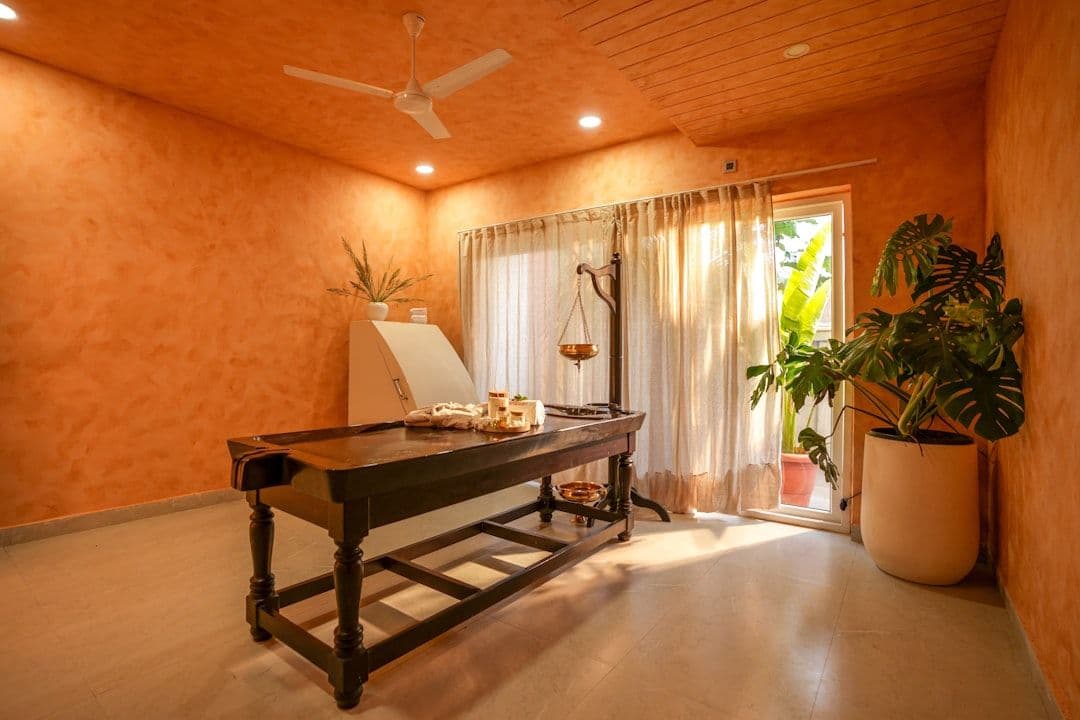
Preparing for Your Session
Arrive wearing loose, comfortable clothing that's easy to remove. Most practitioners provide disposable undergarments, though you can bring your own cotton underwear if preferred. Eat lightly 2-3 hours beforehand—a heavy meal can make lying face-down uncomfortable, whilst an empty stomach might leave you feeling lightheaded.
Avoid caffeine and alcohol on the day of treatment, as these can interfere with the oils' absorption and your body's natural response. Remove jewellery and contact lenses beforehand. The oils used can stain, so don't wear anything precious.
Bring a hair tie if you have long hair, and consider that you'll have oil in your hair afterwards. Many people choose to schedule sessions before washing their hair at home, though some practitioners offer hair washing facilities.
The Assessment and Oil Selection
Your session begins with a consultation lasting 15-20 minutes. The practitioner will ask about your health history, current concerns, sleep patterns, and digestion. They might examine your tongue, feel your pulse, and observe your skin and eyes—all traditional Ayurvedic diagnostic methods.
Based on this assessment, they'll determine your dominant dosha (Vata, Pitta, or Kapha) and current imbalances. This guides their choice of oil blend—perhaps cooling coconut oil for excess Pitta, or warming sesame oil for Vata imbalance. The oils often contain herbs like ashwagandha, brahmi, or turmeric, selected specifically for your constitution.
You'll then undress to your comfort level—typically underwear or the provided garments—and lie on a massage table in a warmly heated room.
The Massage Experience
The massage itself lasts 45-60 minutes and begins with warm oil being poured slowly over your body—a surprisingly soothing sensation. The practitioner uses long, rhythmic strokes following your body's energy channels, applying pressure according to your dosha type. Vata types typically receive gentle, nurturing touch, whilst Kapha constitutions might experience more vigorous, stimulating movements.
Special attention goes to marma points—energy centres similar to acupressure points. You'll feel focused pressure on areas like your temples, the centre of your palms, and points along your spine. The practitioner works systematically: usually starting with your back and shoulders, then arms, legs, and finally your abdomen and chest area (always respecting your boundaries).
The room stays comfortably warm, often with soft music playing. Many people find the rhythmic movements deeply meditative. The generous use of oil means less friction than Swedish massage, creating a flowing, enveloping sensation rather than deep tissue work.
What You Might Feel
During the massage, most people experience profound relaxation as the warm oils and rhythmic movements calm the nervous system. You might feel sleepy, emotionally peaceful, or notice your breathing naturally deepening. Some people experience tingling sensations at marma points or feel warmth spreading through their body.
Afterwards, expect to feel deeply relaxed but potentially a bit disoriented—similar to waking from a long nap. Your skin will feel soft and nourished, though quite oily. Many people report feeling more grounded and centred, whilst others notice improved sleep that night.
Some individuals experience mild detox symptoms in the following days: slight fatigue, changes in digestion, or emotional releases. This is considered normal within Ayurvedic tradition and usually resolves quickly.
Post-Session Care
Leave the oil on your skin for several hours if possible—ideally until your next shower. This allows continued absorption of the herbal properties. When you do wash, use warm water and a gentle, natural soap. You might need to shampoo twice to remove oil from your hair.
Rest for the remainder of the day. Avoid strenuous exercise, extreme temperatures, or stressful activities. Drink plenty of warm water and eat light, easily digestible foods. Many practitioners recommend avoiding cold drinks or foods, as these can counteract the treatment's warming effects.
Effects often accumulate over time. You might notice improved sleep quality, reduced muscle tension, or better stress resilience within a few days. Some people feel benefits immediately, whilst others notice gradual changes over a week or two.
Treatment Frequency and Courses
For general wellness, most practitioners recommend monthly sessions. If you're addressing specific imbalances—chronic stress, muscle tension, or sleep issues—weekly sessions for 4-6 weeks often prove more effective, followed by maintenance treatments every 2-3 weeks.
Traditional Ayurveda suggests seasonal treatments aligned with dosha changes throughout the year. For instance, Vata-balancing treatments in autumn and early winter, or Pitta-pacifying sessions during hot summer months.
Some people benefit from intensive programmes: daily treatments for a week (called Panchakarma), though these require significant time commitment and should only be undertaken with experienced practitioners. Most people find that regular monthly sessions provide sustainable benefits for stress management and overall wellbeing.




