Preparing for Your First Session
Arrive with comfortable, modest clothing that allows you to sit on the floor for extended periods. Many practitioners wear white or light colours, though this isn't mandatory. Remove shoes before entering the practice space, following the tradition of treating the area as sacred ground.
Bring an open heart rather than specific expectations. You don't need prior knowledge of Sanskrit, Hindu deities, or chanting techniques. Most teachers welcome newcomers and will explain basic practices. Avoid heavy meals 2-3 hours beforehand, as some sessions include physical movement or pranayama breathing that works better on a lighter stomach.
Consider bringing a small offering if this feels authentic to you — flowers, fruit, or a simple candle are traditional choices. However, your sincere participation is the most meaningful offering you can bring to the practice.
The Flow of a Bhakti Session
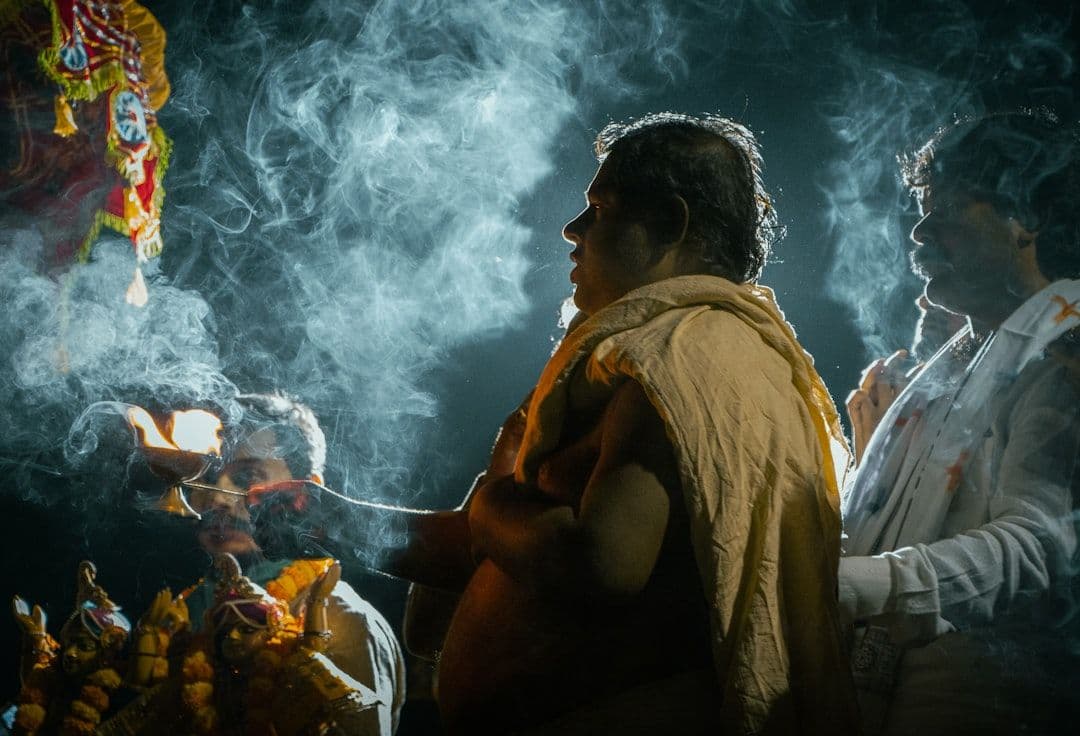
Sessions typically open with a few minutes of settling and centering, often beginning with the sacred sound "Om" chanted three times. The teacher may light incense or candles, creating a devotional atmosphere that signals the shift from ordinary to sacred time.
The main practice usually centres around kirtan — call-and-response chanting of mantras or sacred names. The teacher sings melodic phrases, and participants echo back, creating waves of sound that build in intensity. Sessions might include mantras like "Hare Krishna" or "Om Namah Shivaya," repeated rhythmically with simple instruments like harmonium, tabla, or hand drums.
Mid-session often includes periods of silent meditation or personal prayer, allowing space for individual connection with the divine. Some sessions incorporate ritual elements like offering flowers to images of deities, lighting oil lamps, or sharing blessed food (prasadam). The energy typically peaks during communal chanting, then settles into quiet contemplation.
Sessions conclude with collective prayers or blessings, often ending with "Om Shanti" (peace) repeated three times. The entire experience usually lasts 60-90 minutes, though some intensive programs may extend longer.
What You Might Experience
Physical sensations during bhakti practice vary considerably. Many people feel warmth spreading through their chest or a tingling sensation during chanting. The repetitive nature of mantras can induce a meditative state where time seems suspended. Some experience energy moving through their body, particularly during group chanting when voices merge into powerful collective sound.
Emotional responses often surprise newcomers. Tears of joy, overwhelming gratitude, or waves of love are common and completely normal. Some people feel profound peace, while others experience emotional release as old tensions surface and dissolve. The devotional focus can bypass mental resistance, allowing heart-centered feelings to emerge naturally.
Immediately after sessions, most people report feeling lighter, more peaceful, or emotionally clear. This "bhakti glow" might last several hours or days. Some experience continued chanting internally, with mantras spontaneously arising during daily activities. Don't worry if you feel emotionally sensitive initially — this often indicates the practice is working at deep levels.
Aftercare and Integration
Maintain a gentle pace for the rest of your session day. Avoid intense physical exercise, heavy meals, or stimulating activities that might disrupt the subtle effects of practice. Many practitioners find warm baths, gentle walks in nature, or quiet reflection help integrate their experience.
Keep a journal to track insights, emotions, or dreams that arise in the days following sessions. The devotional state often continues working beneath conscious awareness, bringing clarity to relationships, life purpose, or spiritual questions. Stay hydrated and eat nourishing, simple foods.
Resist analyzing your experience immediately afterward. The mind's tendency to categorise and judge can diminish the heart-opening effects. Instead, simply notice what unfolds without forcing interpretation. If strong emotions persist beyond a few days, discussing them with an experienced practitioner or teacher can provide valuable perspective.
Building a Sustainable Practice
Regular weekly attendance for at least 6-8 sessions allows you to experience bhakti's cumulative effects. Like learning a musical instrument, the practice deepens through consistent engagement rather than intensity alone. Many people notice significant shifts in their emotional landscape after 2-3 months of regular participation.
Daily personal practice amplifies group sessions considerably. Even 10-15 minutes of morning chanting or evening prayers creates continuity between formal sessions. Start with simple mantras you learn in group practice, gradually building your personal devotional routine.
Some practitioners attend multiple sessions weekly or participate in longer intensives, festivals, or retreats. These deeper immersions can catalyse profound spiritual openings but aren't necessary for meaningful benefit. Follow your heart's genuine calling rather than forcing spiritual advancement. Authentic bhakti unfolds naturally when approached with sincere devotion and patience.