Preparing for the Heat
Start hydrating at least four hours before your session - the heated room demands exceptional preparation. Drink water steadily throughout the day rather than gulping large amounts just before class. Avoid alcohol for 24 hours prior, and don't eat a heavy meal within three hours of practice.
Wear minimal, form-fitting clothing that won't restrict movement when soaked with sweat. Most practitioners choose shorts and a fitted vest or sports bra. Bring a large towel for your mat, a smaller one for your face, and plenty of water. Many studios provide these items for hire if you prefer to try before investing.
Arrive 15-20 minutes early for registration and acclimatisation. The studio will feel intensely warm when you first enter - this initial shock lessens as your body adjusts. New students typically receive a brief orientation about hand signals for leaving the room and hydration guidelines.
The 90-Minute Sequence Unfolds
Class begins with Pranayama breathing - a standing exercise that immediately raises your heart rate in the heated environment. The instructor demonstrates the deep breathing technique whilst you stand with feet together, interlacing your fingers beneath your chin.
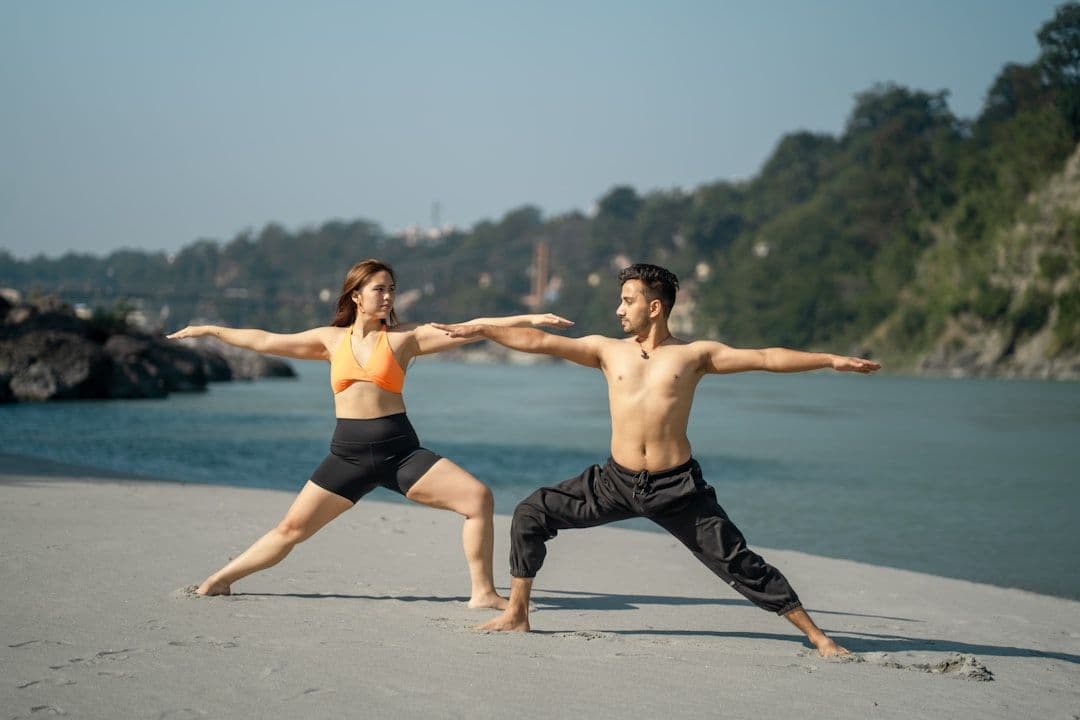
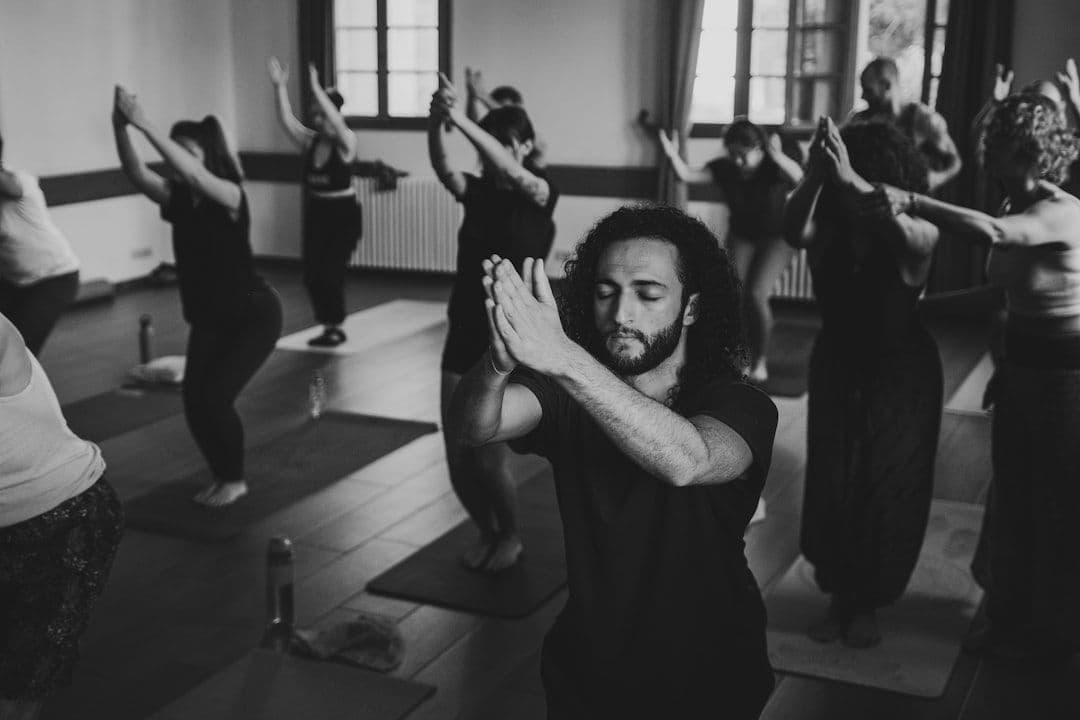
The 26 postures follow in identical order every session. You'll start with standing poses: Eagle, Standing Head-to-Knee, Standing Bow, and others that challenge balance whilst your body temperature climbs. Each posture is held for 10-60 seconds, performed twice, with brief rest periods between. The instructor provides constant verbal cues about alignment and breathing.
Midway through, you'll transition to floor work. The sequence includes spinal strengthening poses, backbends, and twists. By this point, sweat flows freely - the towel on your mat becomes essential for grip and hygiene. The room's humidity intensifies as thirty or more people practice together.
Class concludes with final breathing exercise and a brief relaxation in Savasana. The contrast between the intense heat and the stillness of final rest often feels profound.
What Your Body Will Experience
First-time students commonly feel overwhelmed by the heat within the first 15 minutes. Your heart rate increases significantly - not just from movement but from thermoregulation. Profuse sweating begins almost immediately, and you may feel lightheaded or need to sit down. This response is entirely normal.
During postures, the heat initially makes muscles feel more pliable, though fatigue sets in faster than in room-temperature practice. You might achieve deeper stretches than usual, but strength-based poses become more challenging as your core temperature rises. Many people report an intense mental focus that comes from surviving the challenging environment.
After class, some practitioners experience a euphoric feeling often called "Bikram high" - possibly from endorphin release and the relief of returning to normal temperature. Others feel depleted and need immediate rest. Both responses are typical and tend to even out as your body adapts to the practice.
Post-Session Recovery Protocol
Avoid immediately stepping into air conditioning or taking a cold shower - allow your body temperature to decrease gradually. Continue drinking water steadily for several hours, as you'll keep sweating even after leaving the heated room. Replace electrolytes with coconut water or a balanced sports drink rather than plain water alone.
Your appetite may be suppressed for 1-2 hours post-class. When hunger returns, choose easily digestible foods with good mineral content. Many practitioners report sleeping more deeply on practice days, though some find the stimulating effect keeps them alert if they practice in the evening.
Muscle soreness typically appears 24-48 hours later, particularly after your first few sessions. This differs from regular yoga soreness due to the additional stress of heat adaptation. Gentle stretching and adequate hydration help manage post-exercise stiffness.
Building Your Practice
Bikram studios typically recommend practising every other day initially, building to daily sessions for maximum benefit. Most people notice improved heat tolerance after 3-4 classes, with flexibility gains becoming apparent after 6-8 sessions. Strength improvements and the mental resilience that practitioners prize often develop over 2-3 months of consistent practice.
The standardised sequence allows you to track progress precisely - poses that seem impossible in week one become achievable by week four. Advanced practitioners may attend daily for months or years, viewing the consistency as meditative. However, even twice-weekly attendance can maintain the flexibility and strength gains once established.
If you're managing specific health conditions or taking medications that affect heat tolerance, discuss frequency with your healthcare provider. Some people thrive with daily practice whilst others benefit more from 2-3 sessions weekly combined with other forms of exercise.