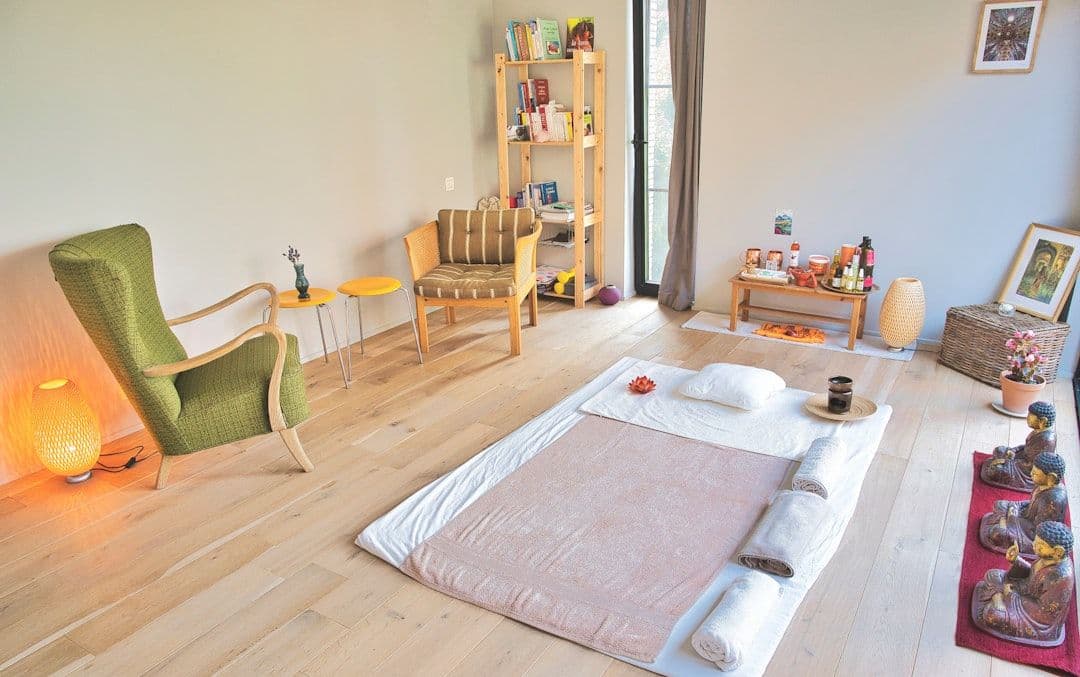
Before You Arrive
Wear comfortable, loose-fitting clothes that allow easy movement — think yoga attire rather than restrictive fabrics. Many practitioners work with clients partially clothed to access muscles directly, so choose undergarments you feel comfortable in. Avoid heavy meals for two hours beforehand, as the bodywork component can feel uncomfortable on a full stomach.
Skip alcohol for 24 hours prior, as it can interfere with the body's natural responses during session. If you take medications that affect mood or energy, mention this during your initial consultation. Some practitioners suggest avoiding intense physical exercise on session days to allow your nervous system to remain receptive to subtle changes.
Bring a water bottle and perhaps a light snack for afterwards, as sessions can be physically and emotionally depleting. A journal might prove useful for capturing insights that emerge between sessions.
The Session Unfolds
Sessions typically begin with 10-15 minutes of verbal check-in whilst seated. Your practitioner will ask about your current emotional state, any physical tensions you're noticing, and what's emerged since your last session. This isn't traditional psychotherapy talk — the focus remains on present-moment body awareness rather than extensive analysis of past events.
You'll then move to a massage table where the practitioner begins gentle touch work, often starting with your back or shoulders. They're not following a predetermined massage routine but rather responding to what they perceive as areas of held tension or restricted energy flow. The touch varies from light contact to deeper pressure, always adjusted to your comfort and responses.
Throughout the bodywork, conversation continues naturally. Your practitioner might ask what you're experiencing physically or emotionally, or invite you to notice breath patterns or muscle responses. Some people find themselves talking about memories or feelings that arise spontaneously. Others remain quietly focused inward.
The entire session lasts 60-90 minutes, with roughly two-thirds devoted to hands-on work. Sessions conclude with a few minutes of integration time, allowing you to notice how your body feels different from when you arrived.
What You Might Experience
During sessions, you might feel warmth spreading through areas being touched, or notice muscles releasing tension you didn't realise you were holding. Some people experience tingling sensations, gentle vibrations, or a sense of energy moving through their body. Emotional responses vary enormously — tears, laughter, anger, or profound sadness can all emerge unexpectedly during bodywork.
Not everyone has dramatic releases. Some sessions feel quietly restorative, like a gentle loosening of chronic holding patterns. Others might bring difficult emotions to the surface that need processing over subsequent days. Your practitioner will help normalise whatever arises and provide support for integration.
After sessions, many people feel deeply relaxed but also somewhat vulnerable or emotionally sensitive. This typically lasts several hours to a full day. Others experience increased energy and clarity. Some find that dreams become more vivid for a few nights following sessions, as the unconscious continues processing what was accessed during bodywork.
Physical soreness occasionally occurs in areas where deep tension was released, similar to after therapeutic massage. This usually resolves within 24-48 hours.
Aftercare and Integration
Plan for a gentle evening following your session. Avoid intense social situations, demanding work, or stimulating activities like vigorous exercise or alcohol consumption. Instead, prioritise rest, warm baths, gentle walks in nature, or other nurturing activities that support integration.
Drink plenty of water to help your system process any toxins released from muscular tension. Light, nourishing foods work better than heavy meals, as your digestive system may remain sensitive for several hours.
Journaling can help capture insights or emotional content that continues emerging after you leave. Don't worry if you feel temporarily more emotional or sensitive than usual — this often indicates that previously suppressed material is finally moving through your system.
Results typically accumulate gradually rather than appearing immediately. Some people notice improved sleep quality or reduced physical tension within a few days. Emotional shifts often become apparent over weeks as new patterns replace old holding behaviours.
Treatment Duration and Frequency
Most practitioners recommend beginning with weekly sessions to establish therapeutic momentum. Initial assessment usually occurs over 3-4 sessions, allowing both you and your practitioner to understand your particular patterns of holding and response.
For chronic stress patterns or trauma healing, expect 12-20 sessions to experience significant shifts, though this varies considerably based on individual factors and the depth of patterns being addressed. Some people continue for months or even years, using sessions for ongoing maintenance and deepening personal development work.
As progress develops, session frequency typically reduces to fortnightly or monthly. Unlike conventional psychotherapy, biodynamic work often requires fewer total sessions because the body component can accelerate emotional processing.
Practitioners registered with the CNHC or similar professional bodies will discuss realistic expectations during your initial consultation and regularly review progress to ensure the approach remains beneficial for your specific needs.