Before You Arrive
Wear loose, comfortable clothing that allows unrestricted movement - think yoga attire rather than formal wear. You'll be moving, stretching, and potentially lying on the floor, so avoid anything restrictive around your waist, shoulders, or limbs.
Eat lightly beforehand. A heavy meal can interfere with the breathwork components, whilst arriving hungry may leave you feeling lightheaded during physical exercises. A small snack 2-3 hours prior works well.
Avoid alcohol or recreational substances for 24 hours before your session. These can blunt your awareness of physical sensations and emotional responses - precisely what bioenergetics aims to heighten. If you take prescription medications, continue as normal but inform your practitioner.
Consider what you hope to explore. Many people arrive feeling 'stuck' emotionally or carrying persistent physical tension. Whilst you needn't have specific goals, reflecting on what drew you to this approach can help focus the work.
The Session Unfolds
Your practitioner begins with a brief check-in about your current state - physical tensions, emotional concerns, or recent stressors. This conversation typically lasts 10-15 minutes and helps tailor the session to your needs.
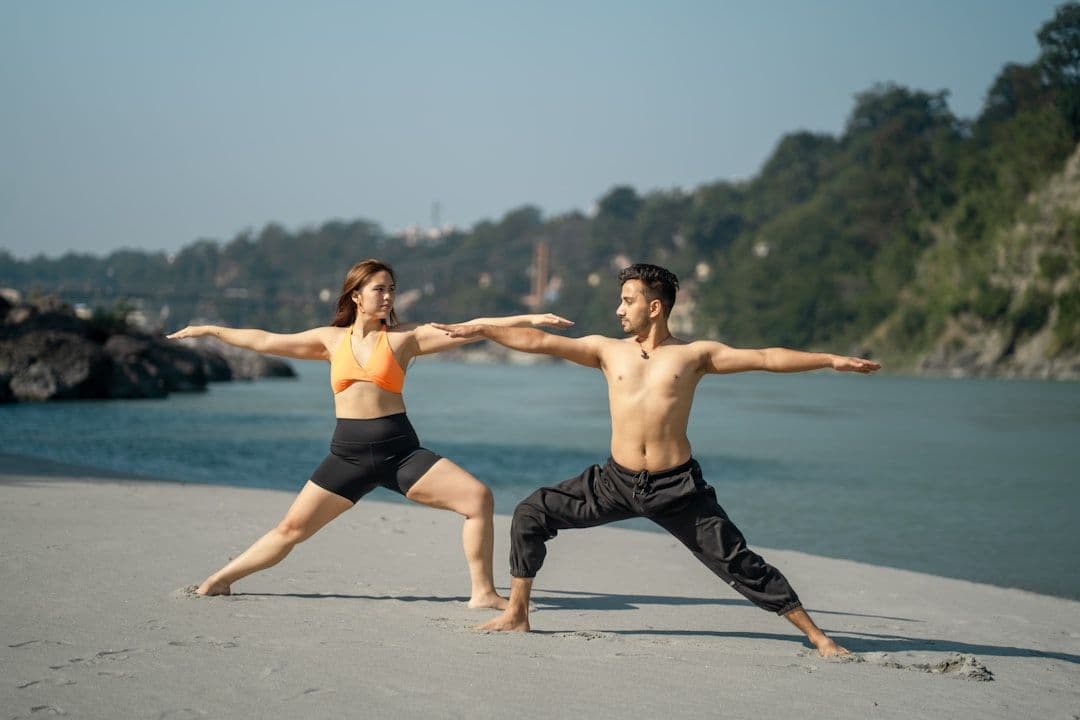
Grounding exercises come next. You'll stand with feet shoulder-width apart, knees slightly bent, focusing on your connection to the floor. This might feel awkward initially, but most people quickly sense a settling quality. Your practitioner observes your posture, breathing patterns, and where you hold tension.
The physical work intensifies gradually. Common exercises include gentle bouncing on the balls of your feet, reaching movements that stretch the spine, or controlled muscle contractions followed by release. You might lie on a thick mat performing leg kicks or making sounds whilst stretching your arms overhead.
Breathwork weaves throughout these movements. Your practitioner guides you to breathe more deeply, sometimes suggesting specific patterns or encouraging you to vocalise on the exhale. The room fills with the sounds of sighing, occasionally tears, sometimes laughter - all considered normal expressions.
Sessions typically last 60-90 minutes, with the final 15-20 minutes dedicated to integration. You'll sit quietly, often sharing what you noticed or felt during the physical work.
What You Might Experience
Physical sensations range from obvious muscle fatigue to subtle tingling or warmth spreading through your body. Some people report feeling 'buzzy' or energised, whilst others experience profound relaxation. Muscle trembling during or after exercises is common - your practitioner will explain this as tension releasing.
Emotional responses often surprise first-time clients. Tears may arise without obvious triggers, or you might feel unexpectedly angry during certain movements. Some people experience memories surfacing, though this isn't universal. Equally common is feeling emotionally neutral but physically different - lighter, more grounded, or simply more present.
Not everyone has dramatic releases. Some sessions feel quietly pleasant, like a good stretch combined with mindfulness. Your practitioner won't push for emotional breakthroughs - the approach trusts your system to reveal what's ready to shift.
After your session, you might feel tired, energised, or both in sequence. Some people report sleeping deeply that night, whilst others feel unusually alert. Mild muscle soreness, similar to after gentle exercise, can occur over the following day or two.
Aftercare and Integration
Avoid intense physical activity for the remainder of the day. Your nervous system has been actively engaged, and gentle movement like walking serves you better than vigorous exercise. Many practitioners suggest a warm bath or shower to continue the releasing process.
Stay well-hydrated and eat nourishing foods. The physical work and emotional processing can be surprisingly depleting, even when the session felt gentle. Listen to your body's needs for rest or movement over the following 48 hours.
Keep a simple journal if you're inclined. Note physical sensations, emotional shifts, or changes in sleep patterns. These observations help your practitioner understand your response patterns and adjust future sessions accordingly.
Allow emotions to surface naturally without forcing analysis. If you feel weepy, angry, or unusually sensitive in the days following, this often represents continued processing rather than negative effects. However, contact your practitioner if distress feels overwhelming or persists beyond a few days.
Building Your Programme
Most practitioners recommend weekly sessions initially, allowing time for integration between appointments. The first 3-4 sessions help establish your response patterns and comfort with the approach.
A typical course involves 8-12 sessions, though this varies considerably based on individual needs and goals. Some people find significant shifts within 6 sessions, whilst others benefit from longer-term work spanning months. The approach tends to unfold gradually rather than providing immediate resolution.
Sessions often become less frequent as you progress - perhaps fortnightly, then monthly for maintenance. Many clients develop a repertoire of simple exercises to practice at home, extending the benefits between professional sessions.
Expect the work to evolve. Early sessions might focus on releasing obvious physical tension, whilst later ones explore subtler patterns or long-held emotional material. Your practitioner adjusts techniques based on your developing awareness and changing needs.