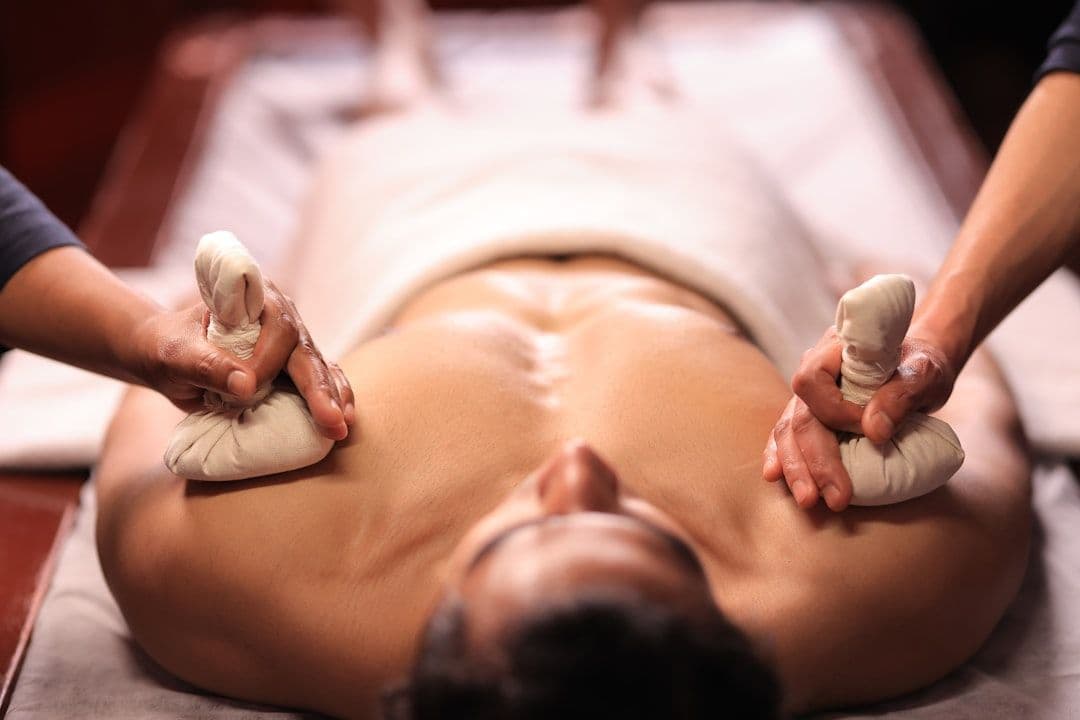
What Body Healing Actually Involves
Walk into a body healing consultation and you might encounter anything from detailed nutritional analysis to gentle movement instruction, herbal recommendations to meditation guidance. This isn't a single technique but rather an approach that weaves together multiple therapeutic modalities under the premise that your body possesses powerful self-repair mechanisms that simply need the right support.
Practitioners typically begin by looking for what they term 'obstacles to healing'—perhaps chronic stress disrupting sleep, nutritional deficiencies affecting energy production, or inflammatory foods triggering symptoms. Rather than addressing symptoms in isolation, they aim to identify and modify the underlying patterns that may be preventing natural recovery.
The specific combination varies enormously between practitioners. Some emphasise nutritional biochemistry and supplementation. Others focus primarily on movement therapies and stress reduction. Many blend conventional health knowledge with complementary approaches, creating personalised programmes that might include dietary changes, specific exercises, breathing techniques, and targeted natural remedies.
Origins and Evolution of the Approach
Body healing as a named approach emerged in the late 20th century, drawing from multiple therapeutic traditions rather than arising from a single source. It reflects growing interest in systems-based healthcare—the idea that health problems often stem from interconnected imbalances rather than single causes.
The approach borrows heavily from naturopathic medicine's emphasis on supporting natural healing processes, integrative medicine's combination of conventional and complementary methods, and functional medicine's focus on root causes. Some practitioners also incorporate elements from traditional healing systems like Ayurveda or Traditional Chinese Medicine.
What distinguishes modern body healing from its historical influences is its pragmatic flexibility. Rather than adhering to a particular philosophical framework, practitioners select from evidence-based interventions across multiple domains—nutrition, movement, stress management, and targeted natural therapies—based on individual presentations.
How Practitioners Understand Healing
Within the body healing framework, symptoms represent your body's communication system rather than problems to be suppressed. A practitioner might view chronic fatigue not as an isolated condition but as a downstream effect of disrupted sleep, blood sugar imbalances, or chronic inflammatory responses that can be addressed through targeted interventions.
The approach assumes that your body's healing mechanisms—immune function, cellular repair, hormonal balance—operate optimally when given appropriate nutritional building blocks, adequate recovery time, and freedom from chronic stressors. Practitioners often speak of 'removing obstacles' rather than 'fixing problems'.
From a biomedical perspective, many of the individual components have sound physiological rationales. Nutritional support can indeed correct deficiencies that affect cellular function. Stress reduction techniques demonstrably influence inflammatory markers and immune function. Regular movement supports circulation, mood regulation, and metabolic health. The integration of these approaches, however, reflects clinical observation rather than controlled research on the combined method.
What to Expect in Practice
Initial consultations typically last 60-90 minutes and involve detailed health history taking that extends well beyond current symptoms. Practitioners often enquire about sleep patterns, stress levels, digestive function, energy fluctuations, and lifestyle factors that conventional medical consultations might not explore in depth.
Some practitioners use functional testing—comprehensive nutritional panels, food sensitivity tests, or stress hormone assessments—though these vary in clinical validity. Others rely primarily on detailed questioning and physical assessment to identify patterns and potential interventions.
Ongoing sessions might involve nutritional education, instruction in specific movement practices, guidance on stress management techniques, or monitoring of natural supplement protocols. The frequency varies enormously—some people attend weekly sessions initially, others prefer monthly check-ins, and some work intensively over shorter periods before transitioning to occasional maintenance visits.
The Evidence Landscape
Research support for body healing depends entirely on which specific interventions are being employed. The evidence base is strongest for approaches that align closely with established health principles—targeted nutritional support for documented deficiencies, structured stress management programmes, and graduated exercise protocols all have substantial research backing.
Systematic reviews support the use of mindfulness-based interventions for chronic pain and anxiety, whilst clinical trials demonstrate the effectiveness of specific nutritional approaches for conditions like irritable bowel syndrome and certain autoimmune disorders. Movement therapies have extensive evidence for musculoskeletal conditions and mood disorders.
However, many practitioners also employ interventions with more limited research support—complex supplement protocols, unproven functional tests, or treatment approaches based primarily on clinical experience rather than controlled trials. The integrated approach itself—combining multiple modalities simultaneously—has received less formal study than its individual components, making it difficult to assess the value of the whole versus its parts.
Finding Qualified Practitioners
Body healing practitioners come from diverse backgrounds, making qualification assessment particularly important. Look for professionals with recognised training in their core areas of expertise—registered nutritionists (ANutr or RNutr), chartered physiotherapists (MCSP), or clinical psychologists (HCPC registered) who have expanded into integrative approaches.
Some practitioners hold qualifications in naturopathic medicine from accredited institutions, whilst others may be registered with the Complementary & Natural Healthcare Council (CNHC) or similar professional bodies. Be cautious of practitioners making claims about treating specific diseases or suggesting you discontinue prescribed medications.
Costs vary significantly depending on location and services included. Initial consultations typically range from £80-200, with follow-up sessions between £60-120. Some practitioners offer package deals that include testing or supplement protocols, which can increase overall investment considerably. Consider what specific expertise you're seeking and whether the practitioner's background aligns with your needs rather than being swayed by broad claims about healing everything naturally.