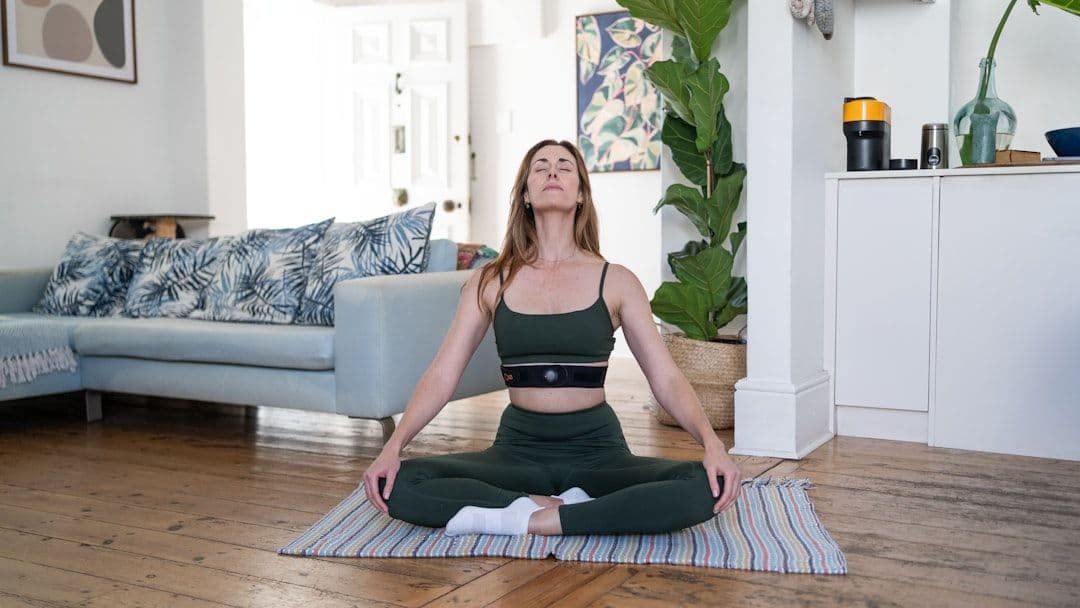
What Is Breathwork?
Breathwork is an umbrella term covering a wide range of intentional breathing practices — from simple diaphragmatic techniques to structured practices such as the Wim Hof Method, holotropic breathwork, and pranayama. What they share is a deliberate manipulation of the breathing pattern to produce physiological or psychological effects.
For anxiety specifically, the most researched and widely recommended approaches involve slowing and deepening the breath — the opposite of the shallow, rapid breathing that accompanies the anxiety response.
How Breathwork Affects Anxiety
The link between breathing and anxiety is bidirectional. Anxiety triggers rapid, shallow breathing; shallow, rapid breathing amplifies anxiety. Slow, diaphragmatic breathing interrupts this cycle by activating the vagus nerve and stimulating the parasympathetic nervous system — the body's 'rest and digest' state, which counteracts the stress response.
Heart rate variability (HRV) — a marker of vagal tone and nervous system flexibility — improves with regular slow-breathing practice, and higher HRV is associated with better emotional regulation and resilience to stress.
What the Evidence Shows
The evidence base for breathwork in anxiety is moderate and growing. Systematic reviews consistently find that slow-breathing interventions reduce self-reported anxiety, physiological markers of stress, and autonomic arousal. A 2018 review in Frontiers in Human Neuroscience found robust evidence that slow breathing increases parasympathetic activity, reduces perceived stress, and improves psychological wellbeing.
Diaphragmatic breathing and coherence breathing (approximately five to six breaths per minute) show the most consistent results across studies. The 4-7-8 technique — inhaling for four counts, holding for seven, exhaling for eight — is widely practised but has less formal research behind it specifically, though its structure aligns with principles well-supported by evidence.
Limitations of the Evidence
Most breathwork studies involve relatively short interventions (four to eight weeks), making it difficult to assess long-term outcomes. Study populations are often healthy adults rather than those with clinical anxiety disorders. Blinding is inherently difficult in breathwork research, which introduces potential bias. Intensive practices such as holotropic breathwork have far less controlled research.
Safety Considerations
Gentle, slow-breathing techniques carry minimal risk for most people. Intensive practices involving deliberate hyperventilation can cause lightheadedness, tingling, and in rare cases fainting or emotional release that requires skilled facilitation. People with cardiovascular conditions, epilepsy, respiratory disorders, or trauma histories should consult a healthcare professional before undertaking intensive breathwork.