The Living Tradition of Celtic Spirituality
In the pre-dawn darkness of Samhain morning, a practitioner places offerings of apples and bread at the roots of an ancient oak, speaking the names of ancestors whilst candlelight flickers through autumn mist. This scene captures the essence of Celtic spiritual practice—intimate connection with the natural world, reverence for those who came before, and recognition that the physical and spiritual realms interweave seamlessly.
Celtic tradition encompasses the spiritual practices, mythology, and wisdom teachings of the ancient Celtic peoples who flourished across Ireland, Scotland, Wales, Cornwall, Brittany, and parts of Britain before Roman conquest. Unlike many spiritual systems, Celtic practice has never been primarily text-based. Instead, it lives through direct engagement with landscape, seasonal cycles, and the oral transmission of stories that carry profound truths about human existence and our place within the web of life.
This is not a reconstructed ancient religion, but a living tradition that has evolved continuously. Modern Celtic practitioners draw from archaeological evidence, medieval literature, folklore, and the unbroken traditions maintained in Celtic-speaking communities, creating practices that honour the past whilst addressing contemporary spiritual needs.
Roots in Land and Lineage
Celtic spirituality emerged from peoples whose survival depended on intimate knowledge of their local environment. The ancient Celts developed sophisticated understandings of seasonal transitions, plant medicines, and the psychological rhythms that mirror natural cycles. Their druids served not only as priests but as judges, healers, and keepers of ecological wisdom essential for community wellbeing.
The tradition survived Christianisation through syncretism—blending rather than replacing existing practices. Many Celtic customs became integrated with Christian observances, whilst others continued in folk practice. The oral tradition preserved creation myths, hero tales, and wisdom teachings through storytellers who understood narrative as a technology for transmitting both practical knowledge and spiritual insight.
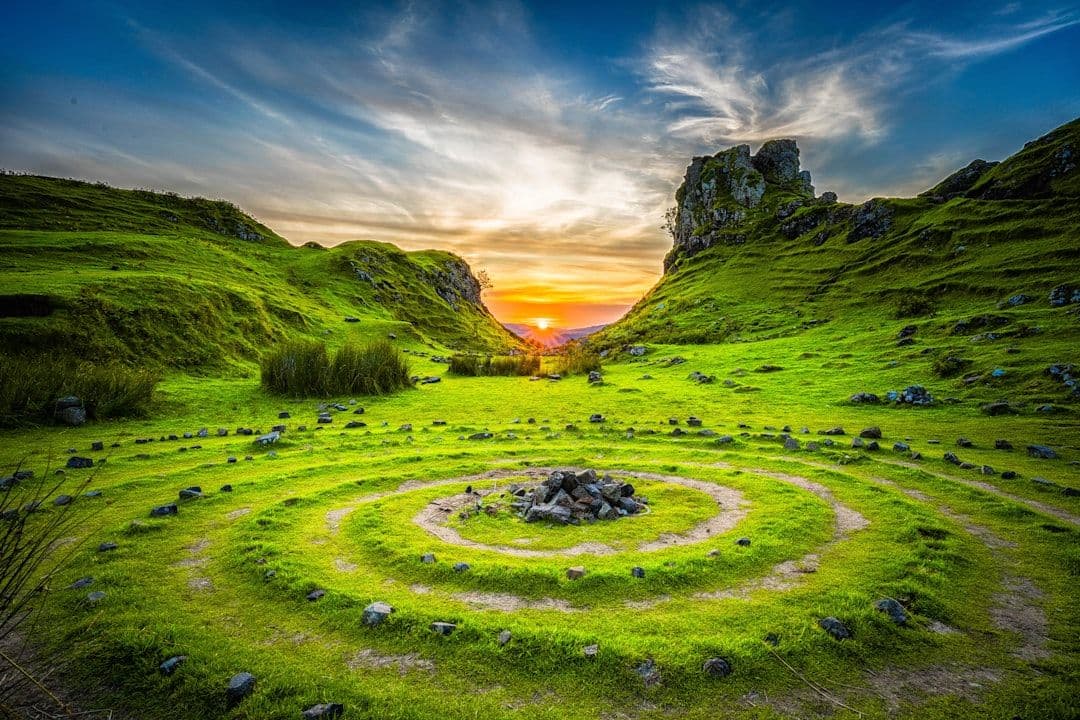
Archaeological evidence reveals Celtic peoples' sophisticated astronomical knowledge, reflected in stone circles and burial chambers aligned with solstices and equinoxes. This connection between cosmic and earthly cycles remains central to modern Celtic practice, which sees human life as embedded within larger patterns of renewal and transformation.
How Celtic Practice Works
Within the Celtic worldview, spiritual development occurs through cultivating right relationship—with the land, with ancestors, with the community of all living beings, and with the otherworld that interpenetrates ordinary reality. Practitioners engage with these relationships through ritual observance of the eight seasonal festivals, contemplative work with Celtic art and symbols, and practices that honour the sacred qualities of specific places.
The seasonal wheel provides the primary framework for practice. Samhain (October 31st) marks the Celtic new year and time for ancestral connection. Imbolc (February 1st) celebrates returning light and creative inspiration. Beltane (May 1st) honours fertility and the flowering of life. Lughnasadh (August 1st) acknowledges the first harvest and the skills needed for community flourishing. The solstices and equinoxes complete the wheel, creating eight opportunities yearly for reflection, ritual, and realignment with natural rhythms.
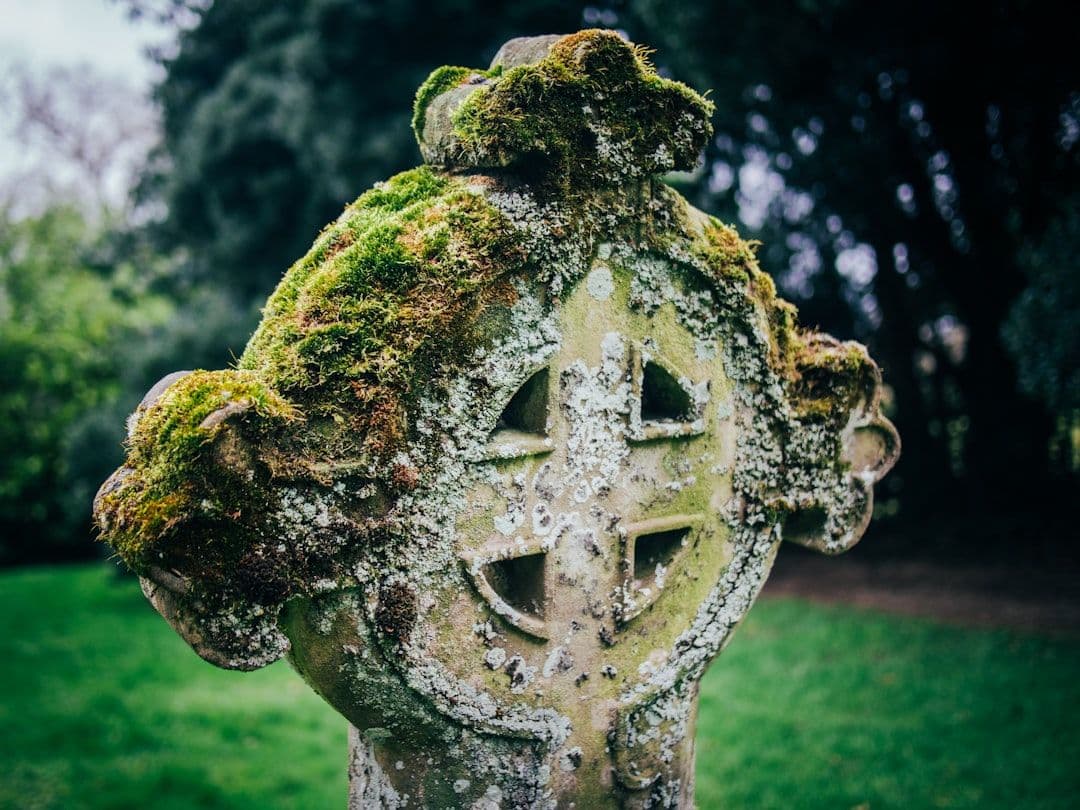
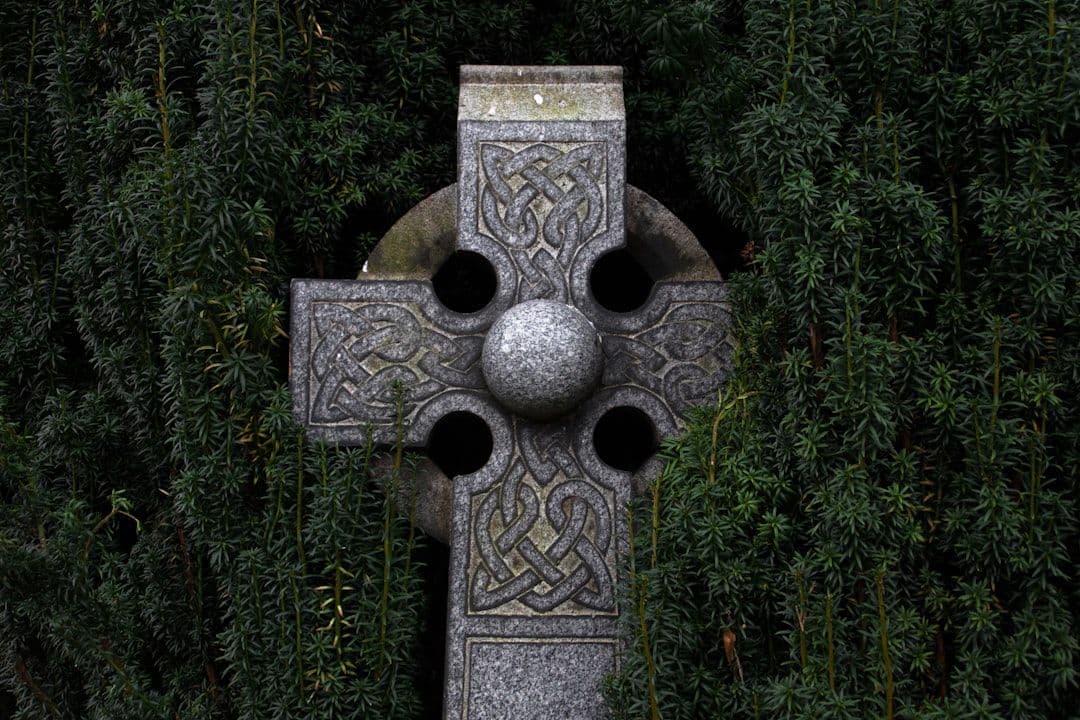
Celtic knotwork, spirals, and other artistic forms serve as meditation tools, their interwoven patterns reflecting the interconnection of all existence. Storytelling becomes a practice for accessing archetypal wisdom, whilst pilgrimage to sacred sites—whether ancient stone circles or local natural features—creates opportunities for direct spiritual encounter. Many practitioners maintain personal altars reflecting the seasons and work with plant allies traditional to Celtic healing.
Who Might Find Value in Celtic Practice
Celtic spirituality particularly attracts people experiencing disconnection from natural rhythms in contemporary life. Those who feel spiritually nourished by time outdoors, who notice their energy shifting with seasons, or who long for practices that integrate rather than separate from the physical world often find profound resonance with Celtic approaches.
People with Celtic ancestry frequently discover these practices provide meaningful ways to connect with cultural heritage beyond genealogy. However, Celtic spirituality also welcomes those without genetic connection who feel drawn to its earth-centred wisdom and community-minded values. The tradition's emphasis on place-based practice means it adapts well to different geographical locations whilst maintaining core principles.
Those seeking alternatives to highly structured religious practices may appreciate Celtic spirituality's flexibility and personal responsibility. The tradition provides frameworks for spiritual development without rigid dogma, encouraging practitioners to develop direct relationships with natural forces, seasonal cycles, and inner wisdom rather than relying solely on external authority.
What Celtic Practice Involves
A typical engagement with Celtic spirituality might begin with learning about the seasonal festivals and beginning to mark them through simple rituals adapted to personal circumstances. This could involve lighting candles at sunset during the dark months, creating seasonal altars with natural materials, or spending contemplative time outdoors during solstices and equinoxes.
Many practitioners develop regular practices around storytelling—either reading traditional Celtic tales and reflecting on their personal relevance, or learning to tell stories as a meditative and community-building practice. Walking meditation in natural settings, particularly with attention to seasonal changes, provides another common approach to Celtic spiritual development.
Group practice often centres around seasonal celebrations, study of Celtic mythology and history, and shared pilgrimages to sacred sites. Some communities create modern versions of traditional practices like the céilí (social gathering) that combine storytelling, music, and discussion of spiritual insights. Learning traditional crafts like knotwork, herbalism, or seasonal food preparation can become spiritual practices that connect practitioners with ancestral skills whilst serving contemporary needs.
Finding Celtic Community and Guidance
Unlike many spiritual traditions, Celtic practice rarely follows formal teacher-student relationships. Instead, learning occurs through community participation, personal study, and direct experience with natural cycles and sacred places. Many regions have Celtic spiritual groups that gather for seasonal celebrations and study, often advertising through Pagan or interfaith networks.
Universities with Celtic studies programmes, local historical societies, and cultural centres focusing on Irish, Scottish, or Welsh heritage can provide educational foundations. Learning Irish Gaelic, Scottish Gaelic, or Welsh language, whilst not essential, offers deeper access to traditional concepts and ways of thinking that inform spiritual practice.
Costs remain minimal compared to many spiritual traditions—primarily books, travel to meaningful sites, and materials for seasonal celebrations. Many practices require only time and attention rather than special equipment. Those seeking more formal guidance might work with Celtic-focused spiritual directors or participate in workshops offered by organisations like the Order of Bards, Ovates and Druids, though such formal training represents just one approach among many valid ways of engaging with this living tradition.