What Ceremonial Practices Involve
The candles flicker as participants form a circle, each holding a small stone meant to represent what they're ready to release. This contemporary letting-go ceremony draws on traditions that span cultures and centuries — the human impulse to mark significant moments through structured ritual.
Ceremonial practices encompass a vast range of structured activities designed to acknowledge, honour, and facilitate life transitions. They might involve seasonal celebrations marking the wheel of the year, rites of passage for major life changes, or healing ceremonies to process loss and transformation. What unites these diverse practices is their intentional use of symbolic action, sacred time, and often community presence to create psychological and spiritual shifts.
Unlike casual gatherings, ceremonial practices follow specific structures that have been refined over generations or carefully crafted to serve particular purposes. They create what anthropologists call 'liminal space' — a threshold between what was and what will be, where transformation becomes possible.
Cultural Origins and Evolution
Every human culture has developed ceremonial practices to mark the rhythms of life and death, seasons and harvests, coming of age and union. Indigenous traditions worldwide maintain elaborate ceremonial calendars tied to natural cycles and community needs. Ancient Celtic, Germanic, and Mediterranean cultures created seasonal festivals that still influence modern practices.
In contemporary Western society, many people have become disconnected from the ceremonial traditions of their ancestors. This has led to a renaissance of interest in both revived historical practices and newly created ceremonies that address modern needs. Some draw directly from specific cultural lineages — such as Native American smudging ceremonies or Hindu fire rituals — whilst others blend elements from multiple traditions or create entirely new forms.
The modern ceremonial landscape includes everything from secular life-transition rituals to neo-pagan seasonal celebrations, from grief circles to blessing ceremonies for new homes or ventures. What remains constant is the human need to mark significant moments with intention and meaning.
How Ceremonial Practices Create Change
Within ceremonial frameworks, transformation occurs through the deliberate manipulation of symbols, actions, and attention. Participants engage in prescribed activities — lighting candles, speaking intentions aloud, sharing objects with meaning, moving in specific patterns — that signal to both conscious and unconscious mind that something significant is happening.
The effectiveness of ceremonial practices operates through several psychological mechanisms. They provide structure for processing complex emotions that might otherwise feel overwhelming. They create clear demarcation between life phases, offering psychological closure on what has passed and opening space for what is emerging. The physical actions involved — whether placing flowers on an altar or burning written wishes — engage the body in the process of change, making abstract concepts tangible.
Community witnessing, when present, adds another layer of power. Having others acknowledge your transition or intention can reinforce internal shifts and provide social validation for personal changes. Even solitary ceremonies can connect practitioners to larger traditions and shared human experiences, reducing isolation during difficult transitions.
What to Expect in Ceremonial Practice
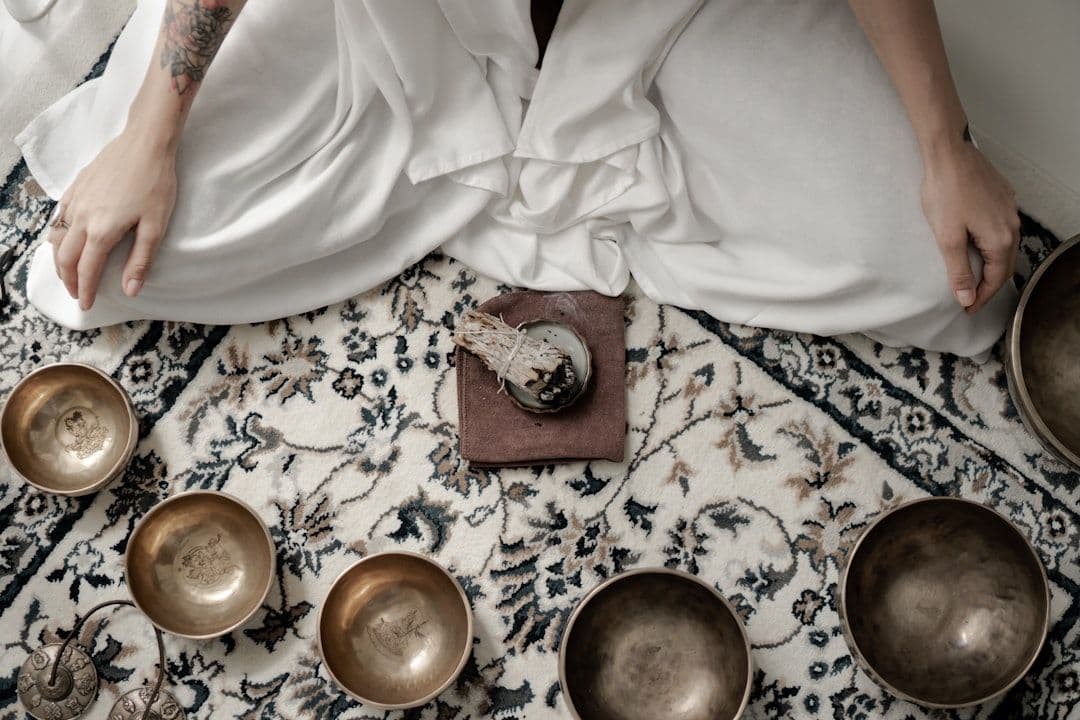
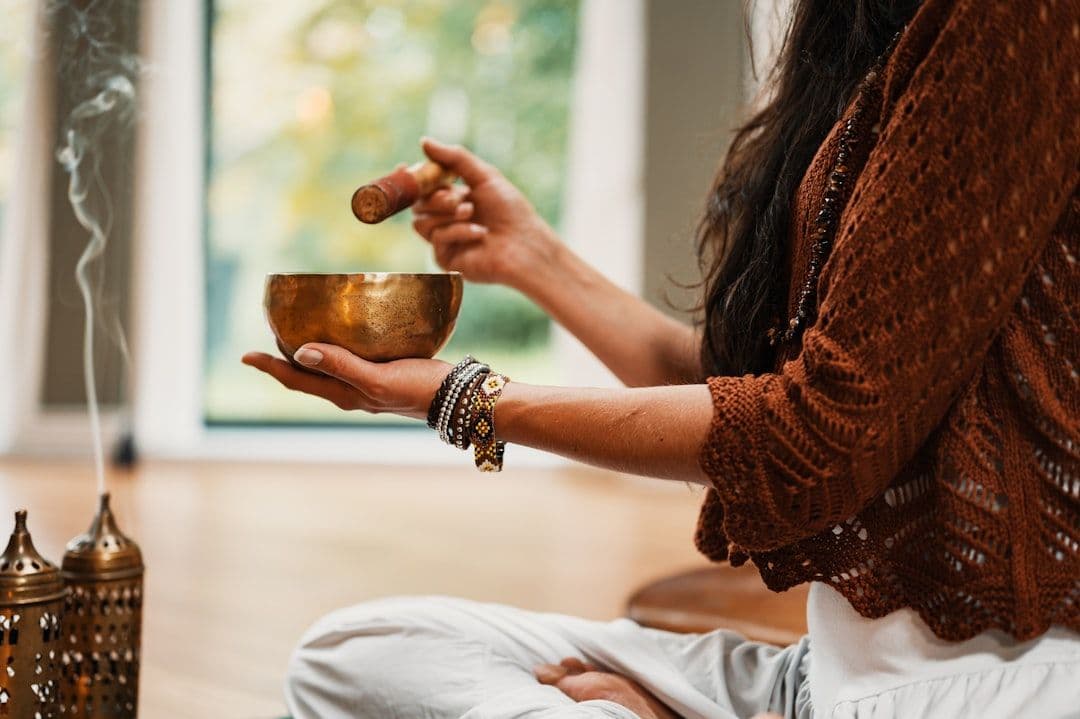
Ceremonial practices vary enormously in their specific forms, but most share certain structural elements. They typically begin with some form of opening or invocation that signals the transition into sacred time. This might involve lighting candles, ringing bells, calling in directions, or simply stating clear intention for the gathering.
The main body of the ceremony usually involves symbolic actions that relate to its specific purpose. A grief ceremony might include opportunities to share memories, release objects that represent loss, or plant something in honour of what has passed. A life-transition ceremony could involve crossing thresholds, exchanging tokens, or making public commitments about future direction.
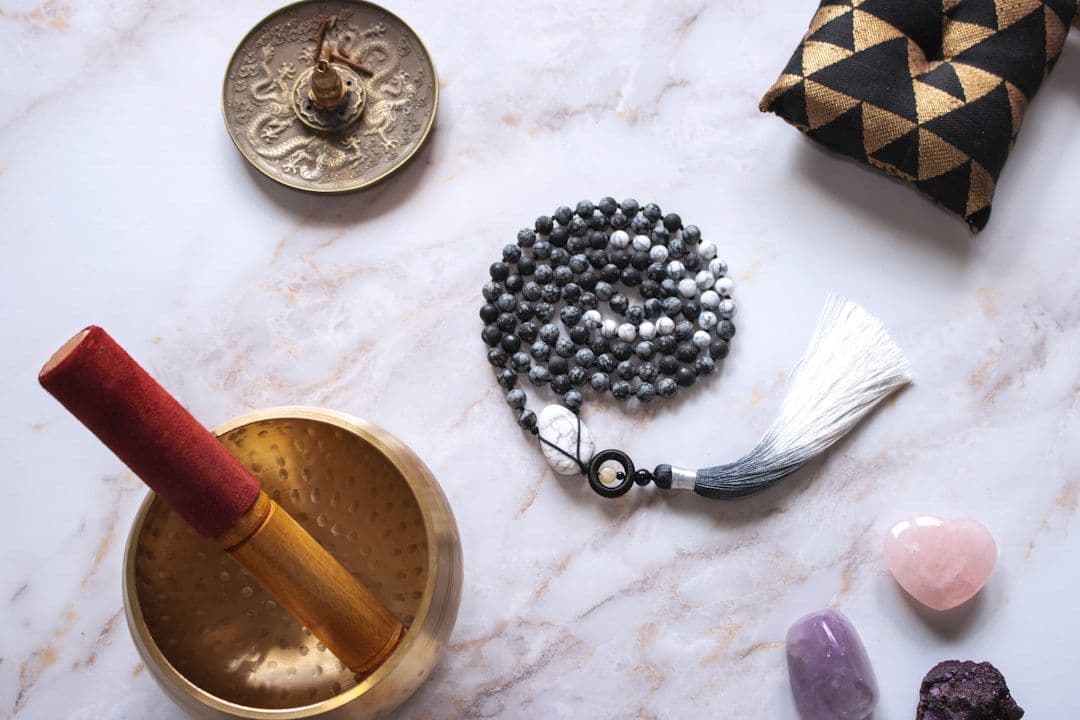
Many ceremonies incorporate elements that engage multiple senses — the scent of burning herbs, the texture of meaningful objects, the sound of drums or singing, the taste of ceremonial foods. This multi-sensory engagement helps embed the experience more deeply in memory and meaning.
Ceremonies typically conclude with some form of closing that marks the return to ordinary time whilst anchoring the intention or transformation that occurred within the ritual space.
Finding and Participating in Ceremonies
Ceremonial practices are offered through various channels, depending on their cultural origin and contemporary context. Some are embedded within existing spiritual or religious communities, whilst others are offered by independent practitioners who specialise in life-transition work.
Costs vary widely based on the ceremony's complexity, duration, and setting. Simple group ceremonies might range from £20-50 per person, whilst elaborate personal rites of passage could cost £200-500 or more. Many community-based ceremonies operate on donation or sliding-scale models to ensure accessibility.
When seeking ceremonial practice, consider what type of transition or intention you want to address, whether you prefer individual or group experiences, and what cultural context feels meaningful to you. Look for practitioners who demonstrate clear understanding of the traditions they draw from and who can explain their approach thoughtfully.
Respect for cultural origins is crucial. If you're drawn to ceremonies from specific indigenous or religious traditions, ensure the practitioner has authentic training and appropriate cultural connections. Many practitioners now offer ceremonies that blend various influences whilst acknowledging their sources, creating accessible options that don't appropriate sacred practices inappropriately.