What Makes Clinical Pilates Different
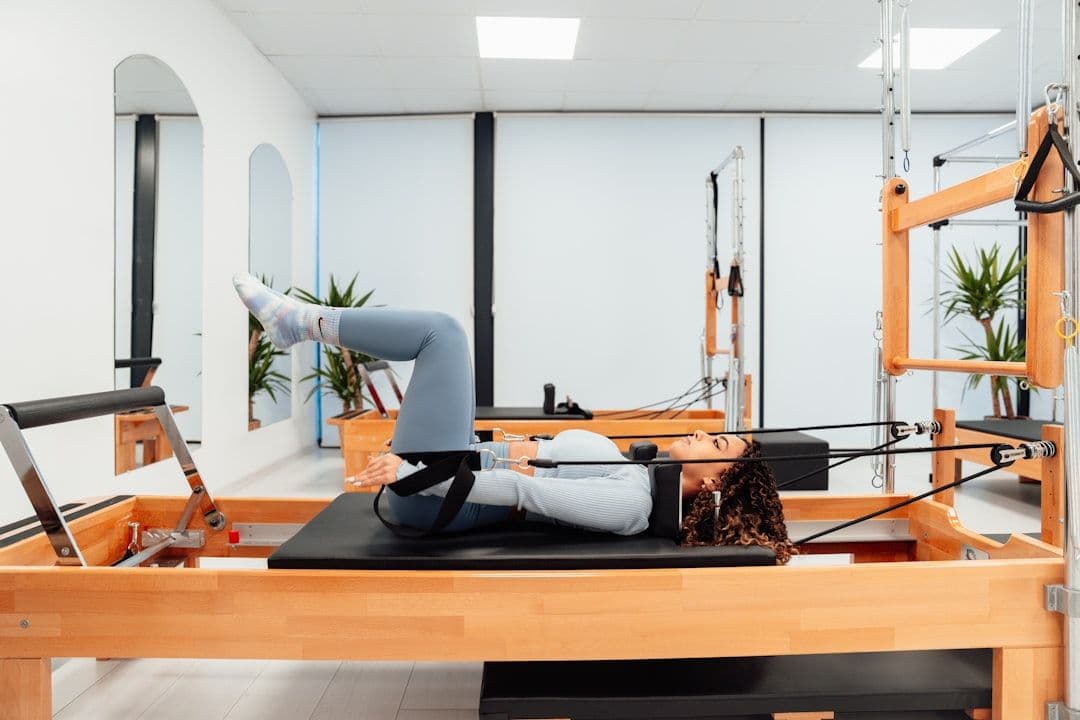
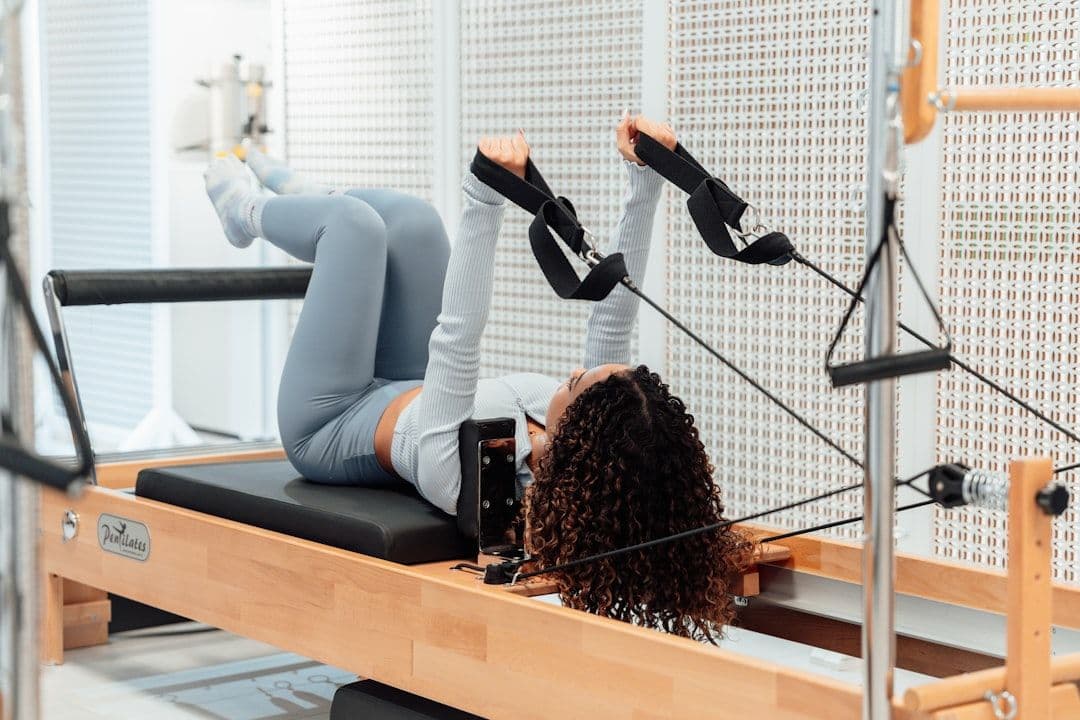
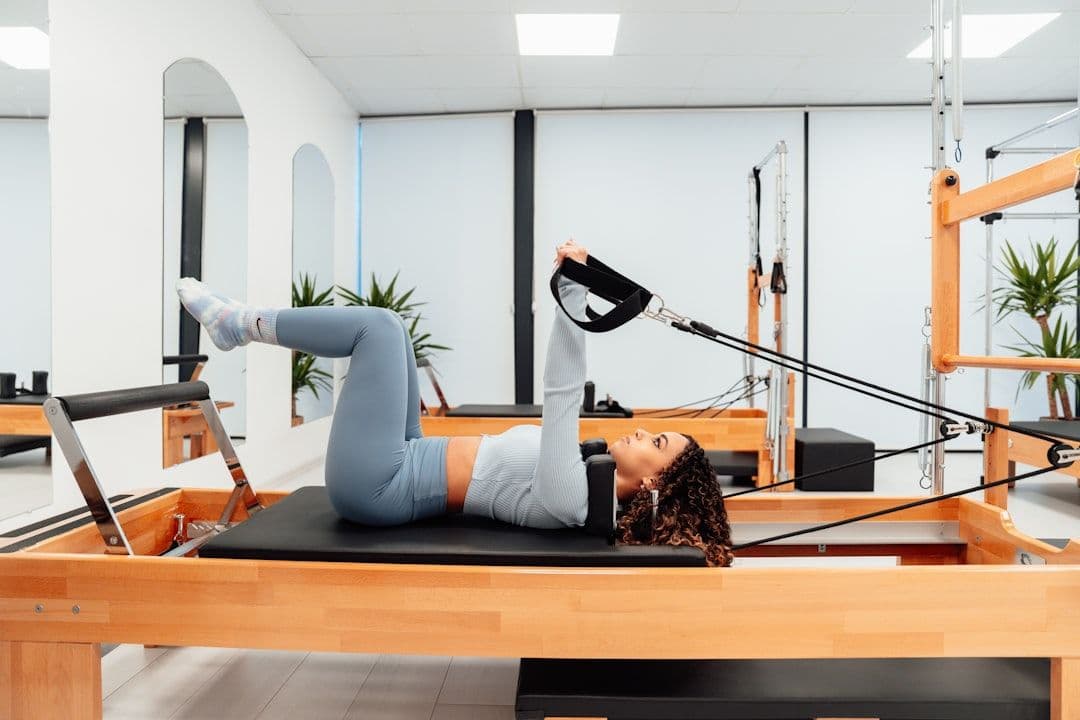
Watch a Clinical Pilates session and you'll notice the careful attention to breathing patterns, the precise adjustments to equipment spring tensions, and the way exercises are modified based on each person's specific injury or condition. This isn't the flowing sequences of a studio class. Here, a physiotherapist guides each movement, watching for compensation patterns and adjusting exercises in real-time based on clinical reasoning.
Clinical Pilates takes Joseph Pilates' original exercise system and applies it through a therapeutic lens. Where studio Pilates follows set sequences for general fitness, Clinical Pilates prescribes specific exercises based on clinical assessment, imaging findings, and functional goals. The reformer's springs might be adjusted lighter for someone with acute pain, or exercises modified to avoid aggravating a disc injury.
This individualised approach extends to class sizes. Clinical Pilates sessions typically involve no more than three or four participants, allowing the physiotherapist to monitor technique closely and progress exercises appropriately for each person's condition.
From Dance Studios to Clinical Practice
Joseph Pilates developed his method in the early 20th century, originally calling it 'Contrology' — a system emphasising mental control over physical movement. His work with injured soldiers during World War I laid early foundations for therapeutic application, though it remained primarily within dance and fitness communities for decades.
The transition to clinical practice began in the 1980s and 1990s when physiotherapists recognised the method's potential for rehabilitation. Australian physiotherapists were among the first to adapt Pilates exercises for specific pathologies, developing protocols for conditions like chronic low back pain and post-surgical recovery.
Today's Clinical Pilates represents this evolution — retaining Pilates' emphasis on core stability and controlled movement whilst incorporating modern understanding of motor control, pain science, and rehabilitation principles. Equipment remains largely unchanged (reformers, trapeze tables, Wunda chairs), but its application is guided by clinical assessment rather than general fitness goals.
How Clinical Pilates Works in Practice
Clinical Pilates targets the deep stabilising muscles that provide spinal segmental control — the transversus abdominis, multifidus, and pelvic floor muscles. These muscles often become inhibited following injury or in chronic pain conditions. The controlled, low-impact exercises help retrain these muscles whilst challenging proprioception and balance.
From a biomechanical perspective, the equipment's spring resistance provides variable loading that can be precisely adjusted to each person's tolerance and stage of recovery. The reformer's moving carriage challenges stability whilst the springs assist or resist movement depending on exercise setup.
Physiotherapists use Clinical Pilates to address motor control deficits — the way your nervous system coordinates movement. Rather than simply strengthening muscles, exercises retrain movement patterns and improve the timing of muscle activation. This approach particularly benefits people whose pain stems from poor movement control rather than structural damage.
Who Typically Benefits
Clinical Pilates shows particular promise for people with chronic low back pain, especially when the pain relates to poor movement control rather than specific structural pathology. Research consistently supports its use in this population, with benefits including reduced pain intensity and improved functional outcomes.
The approach also suits people recovering from surgery, particularly spinal procedures or joint replacements, where graduated loading and movement retraining are essential. Post-natal women often benefit from Clinical Pilates programmes that address abdominal separation, pelvic floor dysfunction, and postural changes from pregnancy and childbirth.
People with osteoporosis find value in the controlled, weight-bearing exercises that can help maintain bone density whilst avoiding high-impact activities. Those with scoliosis may benefit from exercises designed to improve spinal mobility and address muscle imbalances, though expectations should be realistic regarding structural changes.
What to Expect in a Session
Your first Clinical Pilates session begins with a comprehensive assessment. The physiotherapist will review your medical history, assess your movement patterns, and identify specific impairments or goals. This might include simple tests of core stability, balance, or functional movements like squatting or reaching.
Exercises start simply — perhaps basic breathing exercises to activate deep abdominal muscles, or gentle movements on the reformer with light spring resistance. The physiotherapist watches carefully for compensation patterns and adjusts exercises accordingly. You might spend considerable time on seemingly simple movements as proper technique is established.
Sessions typically last 45-60 minutes and occur once or twice weekly initially. As your movement patterns improve, exercises become more challenging and functional. The physiotherapist might introduce balance challenges, combine movements, or increase spring resistance. Progress is measured against your specific goals rather than arbitrary fitness benchmarks.
The Evidence Base
Systematic reviews consistently support Clinical Pilates for chronic low back pain, showing benefits comparable to other exercise interventions but with potentially better long-term adherence. A 2019 Cochrane review found moderate-quality evidence for pain reduction and functional improvement in this population.
Emerging research suggests benefits for neck pain, pelvic floor dysfunction, and balance in older adults, though these evidence bases remain smaller. Studies typically compare Clinical Pilates to standard physiotherapy care, general exercise, or minimal intervention, with Clinical Pilates often showing equal or superior outcomes.
The research has limitations. Many studies use small sample sizes, and the quality of Clinical Pilates delivery varies between studies. Some research fails to distinguish between Clinical Pilates delivered by physiotherapists and general Pilates classes, which may dilute findings. More high-quality trials are needed to establish optimal dosage and identify which specific conditions benefit most.
Finding the Right Practitioner
Look for physiotherapists registered with the Health and Care Professions Council (HCPC) who have completed additional Clinical Pilates training. The Australian Physiotherapy & Pilates Institute (APPI) and DMA Clinical Pilates are recognised training providers in the UK. Some physiotherapists complete comprehensive certification programmes lasting several months.
Private Clinical Pilates sessions typically cost £60-80 per hour, whilst small group sessions range from £25-40 per session. Some NHS trusts offer Clinical Pilates as part of physiotherapy services, though availability varies by location. Private health insurance may cover sessions when prescribed by a physiotherapist for specific conditions.
Initial assessment and several individual sessions help establish proper technique before potentially joining small group classes. Plan for 6-12 sessions to see meaningful improvements, though this varies significantly based on your condition and goals. The investment in proper Clinical Pilates often proves worthwhile for people seeking targeted, evidence-based movement rehabilitation.