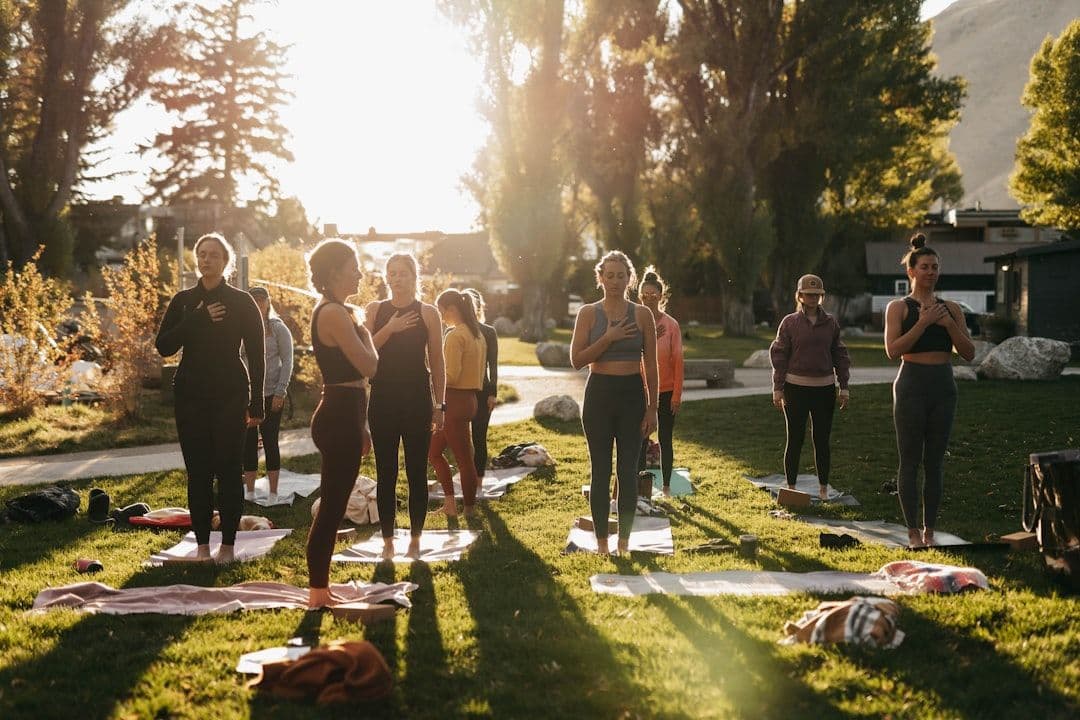
What Connecting to the True Self Actually Involves
Picture sitting quietly with a journal, asking yourself: "What do I actually want, beneath what I think I should want?" This is the essence of Connecting to the True Self — a contemplative practice that uses structured self-inquiry to distinguish between authentic desires and learned patterns.
Practitioners engage in specific techniques designed to observe their inner landscape without judgment. This might involve meditation focused on present-moment awareness, writing exercises that explore recurring thoughts and reactions, or guided contemplation on core values and beliefs. The practice assumes that beneath layers of social conditioning and external expectations lies a more authentic sense of self.
Unlike therapy or coaching, which often focus on changing behaviour or achieving specific outcomes, this practice emphasises direct observation and acceptance of what emerges. The work is exploratory rather than corrective — noticing patterns, questioning assumptions, and creating space for genuine self-expression.
Origins and Philosophical Framework
This practice draws from multiple contemplative traditions, particularly Buddhist mindfulness teachings and the non-dual philosophy of Advaita Vedanta. From Buddhism comes the emphasis on present-moment awareness and observing mental patterns without attachment. Advaita contributes the inquiry into the nature of identity itself — questioning who or what is the "true self" beneath roles and identities.
Humanistic psychology, particularly the work of Carl Rogers on authenticity and self-actualisation, provides the Western psychological framework. Rogers' concept of the "actualising tendency" — the innate drive toward growth and self-expression — underpins many contemporary approaches to this work.
Modern practitioners have synthesised these influences into accessible formats that don't require extensive study of any single tradition. The emphasis remains on direct experience rather than philosophical understanding, making ancient contemplative insights available to contemporary seekers.
How the Practice Works
Within this tradition's framework, the practice works by creating conditions for self-awareness to naturally emerge. Practitioners understand the mind as layered — surface thoughts and reactions obscuring deeper patterns and authentic impulses. Through sustained attention and gentle inquiry, these deeper layers become more accessible.
The process typically involves what practitioners call "witnessing consciousness" — developing the capacity to observe thoughts, emotions, and reactions without immediately identifying with them. This creates psychological space between the observer and the observed, allowing patterns to be seen more clearly.
From a biomedical perspective, practices like meditation and reflective writing activate the prefrontal cortex's executive functions whilst potentially reducing activity in the default mode network associated with rumination and self-referential thinking. Research on mindfulness suggests these practices may support emotional regulation and self-awareness, though direct studies of this specific approach are lacking.
Who Might Find This Practice Valuable
People report finding this work particularly helpful when feeling disconnected from their authentic desires or living primarily to meet others' expectations. This might manifest as career dissatisfaction despite external success, difficulty making decisions without extensive external input, or a persistent sense of "going through the motions" in daily life.
Individuals questioning major life transitions — career changes, relationship decisions, or spiritual exploration — often find the reflective framework valuable for gaining clarity about their genuine preferences rather than socially approved choices.
The practice also appeals to those drawn to contemplative traditions but seeking approaches that don't require formal religious or philosophical commitment. People interested in the intersection of Eastern contemplative practices and Western psychological insights may find this synthesis particularly accessible.
What to Expect in Practice
A typical session might begin with brief meditation to settle attention, followed by structured inquiry around specific themes — perhaps exploring reactions to a recent decision or examining recurring patterns in relationships. Practitioners often use journalling to capture insights and observe patterns over time.
Some approaches involve guided contemplation, where practitioners explore questions like "What remains constant as thoughts and emotions change?" or "What do I value independently of others' approval?" The emphasis is on noticing what emerges rather than arriving at predetermined answers.
Many people work with this practice independently using books or online resources, whilst others prefer group settings where insights can be shared and explored collectively. Individual sessions with experienced practitioners may involve personalised inquiry based on specific life circumstances or recurring patterns.
Evidence and Practitioner Experience
Clinical research specifically examining "Connecting to the True Self" as a distinct practice is limited. The evidence base relies primarily on related research into mindfulness, self-compassion, and reflective practices, alongside practitioner observations and participant reports.
Practitioners commonly report that participants develop greater clarity about personal values and increased comfort with uncertainty. Many describe improved decision-making capacity and reduced anxiety around others' opinions. The subjective nature of these outcomes makes them difficult to measure objectively, contributing to the limited research base.
Anecdotal evidence suggests individual outcomes vary significantly based on personal commitment to regular practice and willingness to engage with uncomfortable insights. Some people report rapid clarity and direction changes, whilst others describe subtle shifts in self-awareness that unfold over months or years.
Practical Considerations and Finding Support
This practice can be explored independently through books, online courses, or meditation apps, typically costing £10-50 for self-guided resources. Group workshops or retreats range from £50-200 for day programmes, with residential retreats costing £200-800 depending on length and location.
Individual sessions with experienced practitioners typically cost £60-120 per session, with people often working intensively over several months before transitioning to independent practice. No formal regulation exists for this field, so practitioner backgrounds vary widely.
Look for practitioners with training in contemplative traditions, counselling, or coaching who can articulate their specific approach clearly. Many draw from organisations like the CNHC or have backgrounds in established modalities like mindfulness-based interventions or humanistic counselling. The most important factor is finding someone whose approach resonates with your particular interests and circumstances.