What Are Creative Modalities?
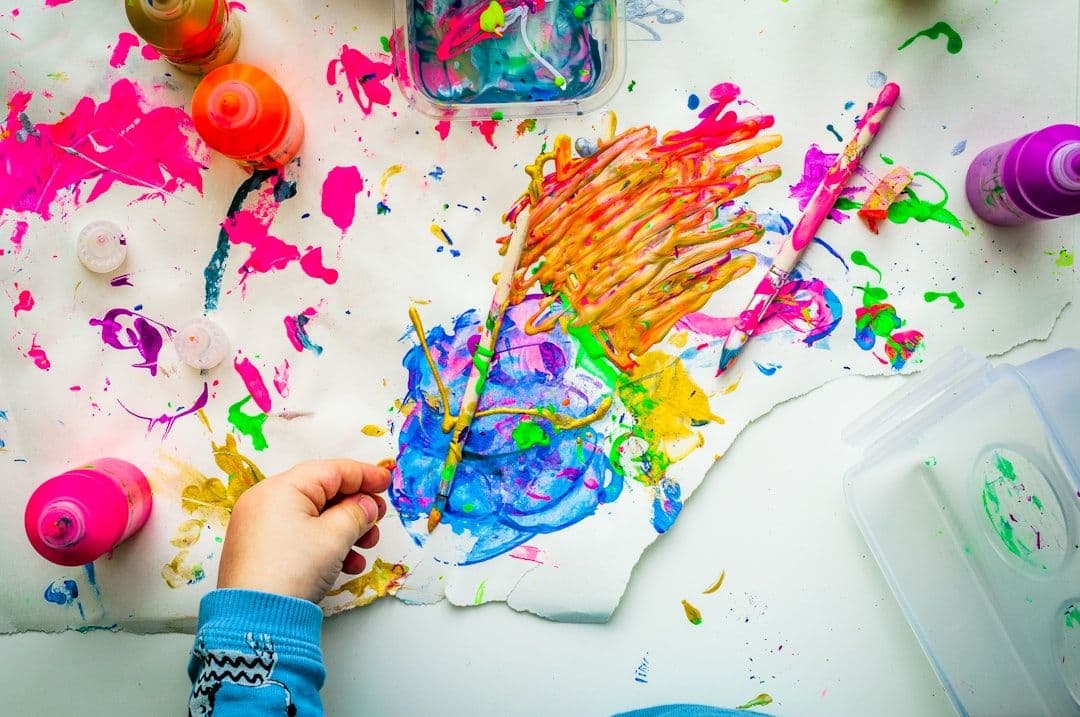
Picture a woman in her fifties, recently divorced, sitting before a blank canvas in a community centre. She's never considered herself artistic, yet as she begins to apply paint without plan or judgment, colours emerge that mirror emotions she couldn't put into words. This is creative modality work in action — not about producing art, but about using artistic expression as a pathway to understanding and healing.
Creative modalities encompass a broad spectrum of practices that use artistic expression for therapeutic or developmental purposes. Art therapy, music therapy, drama therapy, creative writing, dance movement therapy, and expressive arts therapy all fall under this umbrella. What unites them is the understanding that creativity bypasses our analytical mind, allowing access to feelings, memories, and insights that traditional talking therapies might not reach.
These approaches recognise that humans are inherently creative beings, and that engaging with this creativity — whether through painting, writing, moving, or making music — can facilitate profound personal growth and emotional healing.
From Ancient Rituals to Modern Therapy Rooms
Creative expression for healing stretches back to humanity's earliest communities. Indigenous cultures worldwide have long understood that drumming, dancing, storytelling, and creating art serve therapeutic functions alongside their spiritual and social roles. Ancient Greek physicians prescribed music for mental disturbance, whilst traditional Chinese medicine has always recognised the connection between artistic practice and emotional wellbeing.
Modern creative therapies began emerging in the mid-20th century. Art therapy developed during the 1940s, pioneered by artists and mental health professionals who observed the healing potential in creative expression. Adrian Hill, recovering from tuberculosis, coined the term "art therapy" after experiencing the therapeutic benefits of painting during his convalescence.
The field expanded rapidly as psychologists like Carl Jung explored how artistic expression could reveal unconscious material, and as researchers began documenting the measurable benefits of creative practices on mental health. Today, creative modalities range from highly structured therapeutic interventions delivered by qualified professionals to community-based workshops and self-directed creative practices.
How Creative Expression Facilitates Change
Creative modalities work through several interconnected mechanisms. When you engage in creative expression, you activate neural networks associated with emotional processing, memory consolidation, and self-reflection. The right hemisphere of the brain, often associated with creative and intuitive thinking, becomes more active, potentially allowing access to feelings and insights that purely verbal approaches might miss.
The creative process provides what therapists call "externalisation" — making internal experiences visible through art, audible through music, or tangible through movement. This externalisation can create psychological distance from overwhelming emotions, making them more manageable whilst simultaneously allowing deeper exploration.
From a biomedical perspective, engaging in creative activities triggers the release of dopamine, the neurotransmitter associated with pleasure and motivation. Regular creative practice appears to reduce cortisol levels and activate the parasympathetic nervous system, promoting the relaxation response that supports healing and emotional regulation.
Perhaps most importantly, creative modalities operate through metaphor and symbol rather than literal interpretation. A dark painting might represent depression, but it might also represent mystery, depth, or transformation. This ambiguity allows multiple meanings to coexist, reflecting the complexity of human experience more accurately than linear, analytical approaches.
Who Benefits from Creative Approaches?
Research suggests creative modalities are particularly valuable for people who struggle to articulate emotions verbally or who find traditional talking therapies insufficient. Trauma survivors often benefit significantly, as creative expression can help process experiences that exist beyond language. Veterans with PTSD, survivors of childhood abuse, and those dealing with grief frequently report that art, music, or movement therapy helps them access and work through difficult emotions.
Those experiencing anxiety or depression may find creative practices provide both immediate relief and longer-term emotional regulation skills. The focus required for creative work can interrupt rumination patterns, whilst the sense of accomplishment from creating something can counter feelings of hopelessness or low self-worth.
Creative modalities also support personal development beyond therapeutic contexts. People navigating life transitions — career changes, relationship shifts, parenting challenges — often discover that creative exploration helps clarify values, goals, and identity. The non-judgmental nature of creative work makes it particularly suitable for perfectionists who struggle with self-criticism.
What to Expect in Practice
A typical creative therapy session might begin with a brief check-in before moving into the creative work itself. In art therapy, you might be invited to draw how you're feeling, create an image of a safe place, or explore a particular theme through colour and form. Music therapy could involve listening to selected pieces, improvising with instruments, or writing songs about your experiences.
Qualified therapists provide structure and safety whilst allowing creative freedom. They might offer gentle prompts — "What colour represents this feeling?" or "If this emotion had a sound, what would it be?" — but the creative expression emerges from you. Sessions typically include time for reflection, where you explore what emerged during the creative process.
Community-based creative programmes often focus more on the inherent benefits of creative engagement rather than specific therapeutic outcomes. Writing groups, art classes, or music workshops provide structured opportunities for creative exploration alongside peer support and social connection.
Self-directed creative practice might involve regular journalling, sketch-booking, or movement practice. The key is consistency and approaching the work without judgment about quality or outcome. Many people find that setting aside even 15-20 minutes daily for creative expression provides noticeable emotional benefits.
The Evidence Base
Research into creative modalities shows promising results across multiple domains. Systematic reviews demonstrate significant reductions in anxiety, depression, and trauma symptoms following structured creative therapy programmes. A 2016 meta-analysis found that art therapy effectively reduced symptoms of PTSD, whilst music therapy studies consistently show improvements in mood and emotional regulation.
The evidence is strongest for specific, structured interventions delivered by qualified practitioners. Art therapy for trauma treatment, music therapy for depression, and expressive writing for grief processing all have robust research support. Studies typically show not only symptom reduction but also improvements in self-esteem, social connection, and overall quality of life.
However, challenges remain in researching creative modalities. Individual responses vary enormously, making standardised outcome measures difficult. The subjective nature of creative experience doesn't always translate well to quantitative research methods. Additionally, much of the research focuses on clinical populations, with less evidence about preventive or developmental benefits for the general population.
Despite these limitations, the accumulated evidence suggests that creative modalities offer genuine therapeutic value, particularly when integrated with conventional mental health care rather than used as standalone treatments.
Finding the Right Approach
Creative therapists typically hold qualifications from bodies like the Health and Care Professions Council (HCPC) for art, music, or drama therapy. Look for practitioners registered with professional bodies such as the British Association of Art Therapists (BAAT) or Association of Professional Music Therapists (APMT). Sessions with qualified therapists typically cost £40-80, with some NHS provision available for specific conditions.
Community programmes offer more affordable options, with local art centres, libraries, and community groups often hosting creative workshops for £5-20 per session. Many areas have specific programmes for particular populations — veterans, carers, older adults — which may be subsidised or free.
For self-directed practice, consider what form of creative expression feels most natural to you. If you're drawn to words, start with expressive writing or poetry. If movement appeals, explore dance or gentle movement practices. Visual art, music-making, or creative crafts all offer valid pathways.
The most important factor is consistency rather than intensity. Regular, brief creative engagement tends to provide more benefit than occasional lengthy sessions. Start with what feels manageable and allow your practice to evolve naturally as you discover what forms of creative expression resonate most deeply with your particular needs and temperament.