The Heart of Sacred Practice
A candle flickers in a quiet room as someone sits in contemplative stillness, hands resting gently, breath naturally deepening. This simple scene captures the essence of Divine Connection practices — intentional moments of opening to something greater than everyday consciousness. Whether expressed through silent meditation, heartfelt prayer, ritual ceremony, or walking contemplation in nature, these practices share a common thread: cultivating awareness of the sacred dimension of existence.
Divine Connection isn't a single technique but rather an umbrella term for contemplative practices that foster spiritual awareness. Some practitioners seek communion with a personal deity, others explore universal consciousness, and still others cultivate connection with the mystery that underlies all existence. The specific form matters less than the sincere intention to deepen spiritual understanding and experience.
What distinguishes these practices from general wellness meditation is their explicit orientation towards the transcendent. Practitioners approach these moments not merely to reduce stress or improve focus, but to explore questions of meaning, purpose, and their relationship with the sacred.
Roots Across Traditions
Divine Connection practices draw from humanity's rich contemplative heritage. Christian contemplatives developed methods like Lectio Divina and centering prayer. Islamic traditions contribute dhikr (remembrance of Allah) and various forms of spiritual dhikr. Hindu practices include bhakti (devotional) meditation and mantra repetition. Buddhist mindfulness and loving-kindness meditation offer paths to spiritual insight. Indigenous traditions worldwide maintain ceremonies and practices connecting participants with spiritual realms.
In contemporary spirituality, many people blend elements from multiple traditions or develop personal practices that honour their individual understanding of the divine. This eclectic approach reflects our increasingly interconnected world, where ancient wisdom meets modern spiritual seeking.
Secular contemplative practices also fall under this umbrella — moments of profound connection with nature, expressions of gratitude, or contemplation of existence's deeper mysteries. These don't require belief in specific deities but maintain the fundamental orientation towards meaning and transcendence.
The Framework of Sacred Connection
Within contemplative traditions, Divine Connection practices work by cultivating states of receptive awareness. Practitioners develop the capacity to move beyond ordinary thinking patterns and open to spiritual insight or presence. This might involve focusing attention through prayer or mantra, creating sacred space through ritual, or simply sitting in open awareness.
Many traditions describe this process as removing barriers between the individual consciousness and divine presence. Whether understood as grace, enlightenment, or spiritual awakening, the experience often involves a profound sense of unity, peace, and expanded perspective on life's challenges.
From a psychological perspective, these practices may support wellbeing through several pathways. Regular contemplative practice can reduce activity in brain regions associated with self-referential thinking and worry. The cultivation of gratitude, compassion, and acceptance — common elements across traditions — correlates with improved emotional resilience. The meaning-making aspect of spiritual practice often helps people navigate difficult life circumstances with greater equanimity.
What Practice Actually Involves
A typical Divine Connection practice session might begin with creating sacred space — lighting a candle, arranging meaningful objects, or simply designating time as sacred. Practitioners often start with a few moments of settling, perhaps through gentle breathing or brief prayer.
The core practice varies enormously. Some engage in spoken or silent prayer, offering gratitude, making requests, or simply communing with their understanding of the divine. Others might repeat sacred phrases or mantras, allowing the words to carry them into deeper states of awareness. Contemplative reading involves slowly absorbing spiritual texts, letting insights emerge naturally.
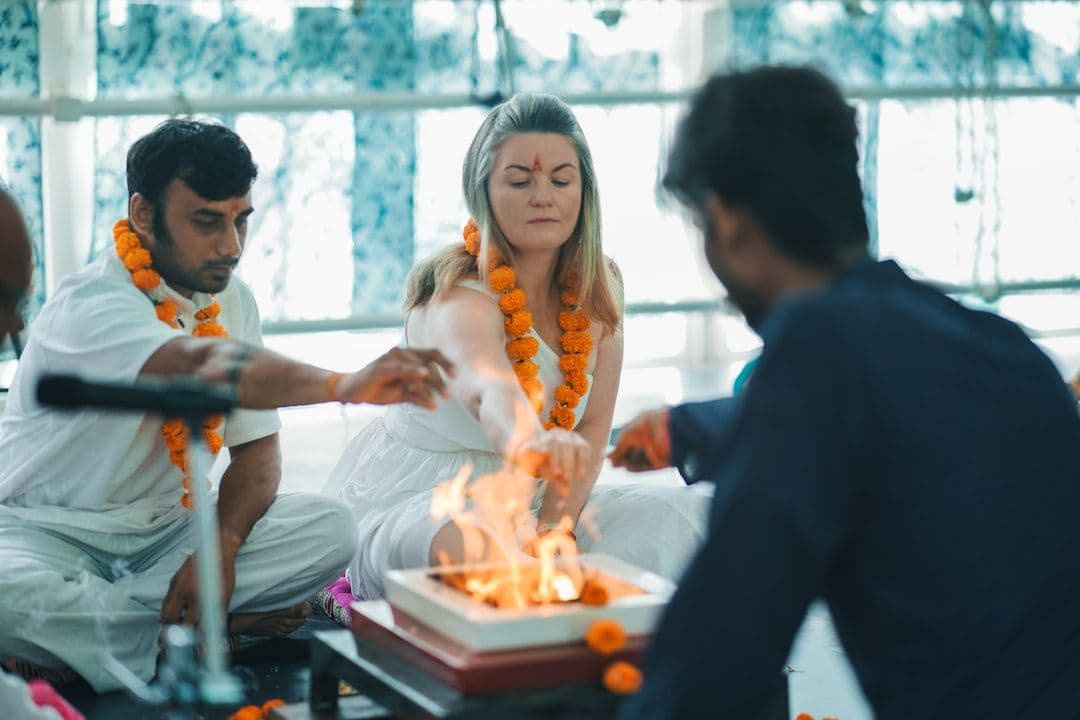
Movement-based practices include walking meditation, sacred dance, or gentle yoga as forms of embodied prayer. Ritual practices might involve symbolic actions, seasonal ceremonies, or personalised spiritual observances that connect practitioners with their faith tradition or individual spiritual understanding.
Sessions typically conclude with a period of quiet integration and perhaps expression of gratitude. Many practitioners maintain a spiritual journal to record insights, experiences, or ongoing questions that arise through their practice.
Finding Authentic Guidance
Spiritual direction or guidance can significantly enhance Divine Connection practices. Qualified spiritual directors typically hold advanced training in contemplative traditions and psychology. In the UK, look for directors certified through institutions like St Beuno's Ignatian Spirituality Centre, the Institute for Spiritual Directors, or those trained in specific tradition-based programmes.
Some practitioners prefer group settings, joining meditation circles, contemplative prayer groups, or spiritual development courses offered through churches, spiritual centres, or organisations like the Contemplative Outreach Trust. Retreat centres across Britain offer intensive programmes ranging from weekend experiences to week-long contemplative retreats.
Costs vary widely. Individual spiritual direction sessions typically range from £40-80 per hour. Group programmes might cost £15-30 per session. Retreat experiences range from £100 for day retreats to £400-800 for residential programmes including accommodation and meals.
When selecting guidance, consider alignment between your spiritual orientation and the director's background. Some work within specific religious traditions whilst others offer interfaith or secular contemplative approaches. Trust your instinct about feeling comfortable and understood with potential guides.