What Is Divine Guidance?
A middle-aged woman sits quietly in her garden at dawn, hands resting open on her lap, asking for clarity about her career change. After twenty minutes of stillness, she feels a sudden warmth in her chest and sees, in her mind's eye, herself teaching others. This moment of received wisdom exemplifies Divine Guidance—a spiritual practice where seekers intentionally open themselves to insights from what they understand as higher spiritual sources.
Divine Guidance encompasses any practice where individuals consciously seek wisdom, direction, or understanding from spiritual realms beyond ordinary consciousness. Practitioners may frame these sources as divine beings, ancestral spirits, higher self, universal consciousness, or simply 'the divine'—depending on their personal or cultural spiritual framework. The practice centres on the belief that wisdom exists beyond human reasoning and can be accessed through receptive, reverent connection.
Historical and Cultural Roots
Seeking guidance from spiritual sources appears across virtually every human culture throughout recorded history. Ancient Greek oracles channelled Apollo's wisdom at Delphi. Indigenous traditions worldwide include vision quests and consultation with ancestral spirits. Christian contemplatives describe receiving divine inspiration through prayer. Islamic traditions speak of guidance through divine signs and dreams.
In contemporary practice, Divine Guidance draws from these diverse traditions whilst adapting to modern spiritual seeking. Some practitioners work within established religious frameworks, whilst others create personalised approaches combining elements from various traditions. The New Age movement of the late 20th century popularised concepts like spirit guides and channelling, whilst maintaining the fundamental practice of seeking wisdom beyond ordinary consciousness.
How the Practice Works
Within spiritual frameworks, Divine Guidance functions through the practitioner entering a receptive state that allows connection with higher wisdom. This typically involves meditation, prayer, ritual, or other practices that quiet ordinary mental chatter and create openness to subtler perceptions. Practitioners report that guidance arrives through various channels: sudden knowing, mental images, physical sensations, meaningful coincidences, or what feels like direct communication.
The process requires both receptivity and discernment. Practitioners learn to distinguish what feels like authentic spiritual guidance from ordinary thoughts, wishes, or fears. Many traditions emphasise that genuine guidance tends to feel peaceful, loving, and aligned with highest good—though the specific content varies enormously based on individual circumstances and spiritual understanding.
From a psychological perspective, these practices may engage unconscious wisdom, pattern recognition, and intuitive processing that occurs below the threshold of ordinary awareness. The ritual and receptive elements can facilitate access to insights that logical analysis alone might miss, regardless of their ultimate source.
The Experience of Divine Guidance
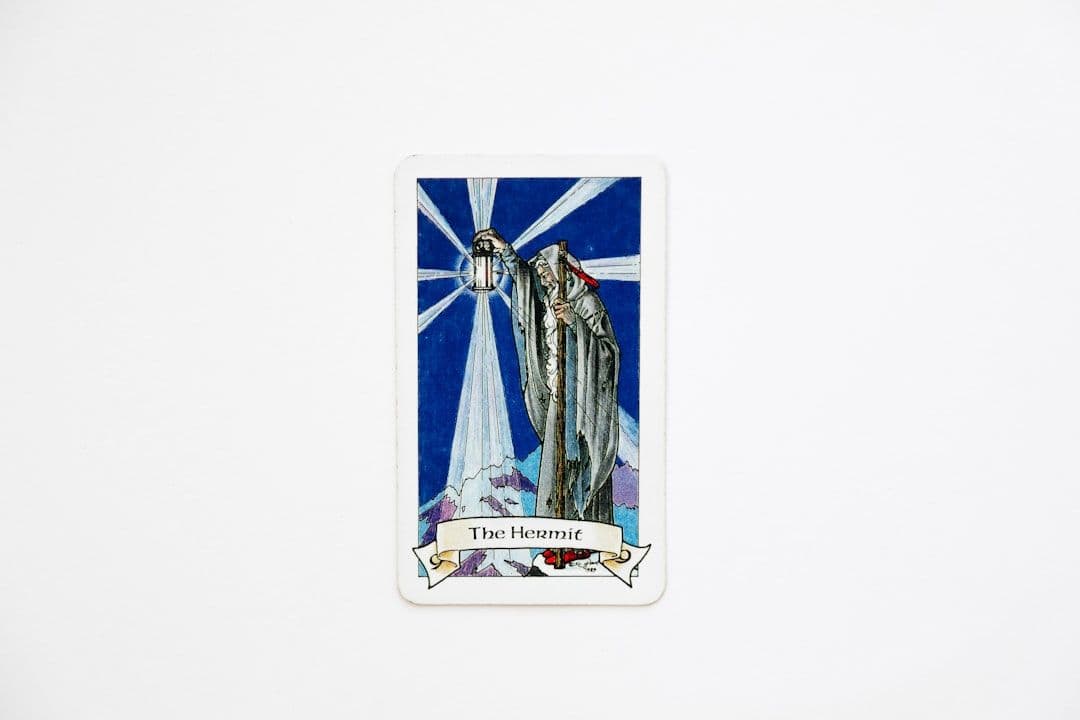
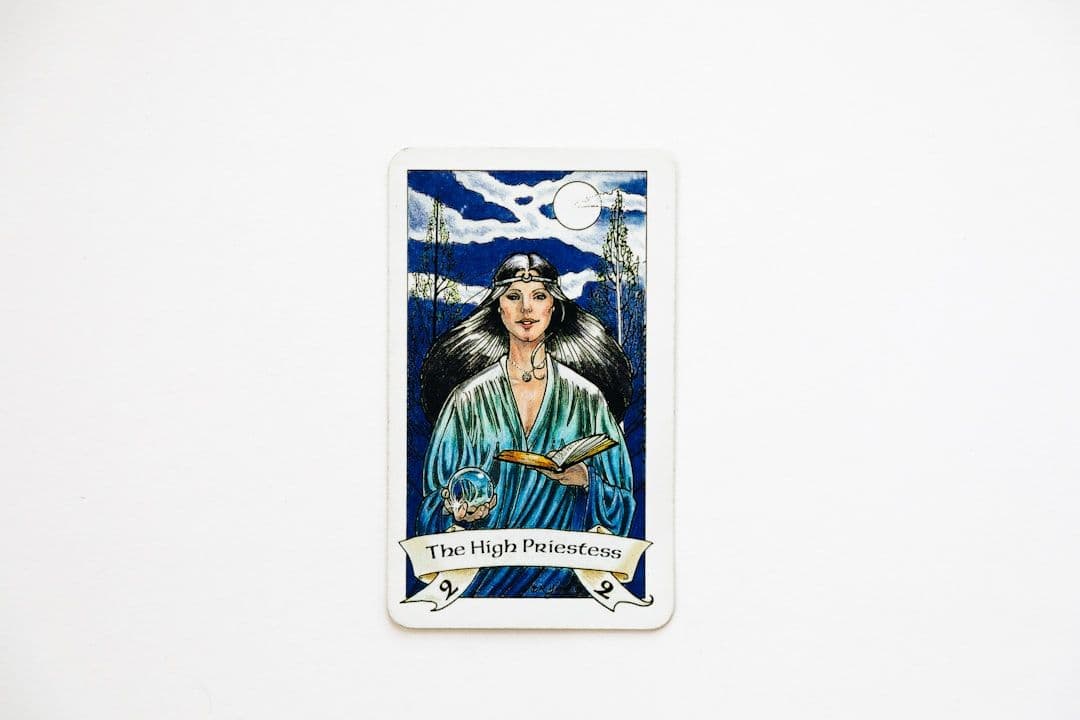
A typical session might begin with creating sacred space—lighting candles, burning incense, or simply finding a quiet moment. The seeker poses their question clearly, then enters a receptive state through their preferred method. Some practitioners use automatic writing, allowing their hand to move freely across paper. Others sit in silent meditation. Still others use divination tools like cards or pendulums as focusing devices.
Guidance rarely arrives as dramatic visions or booming voices. More commonly, practitioners describe subtle shifts in awareness: a gentle knowing, a memory that suddenly seems relevant, or a phrase that appears in consciousness. The art lies in recognising and interpreting these subtler communications whilst remaining discerning about their significance.
Sessions typically last 20-60 minutes, though spontaneous guidance can arrive anytime. Many practitioners develop daily practices of asking for guidance on small matters, building their capacity to recognise and trust these more subtle forms of spiritual communication.
Finding Qualified Practitioners
Divine Guidance exists primarily as personal spiritual practice rather than professional service, though spiritual counsellors, mediums, and intuitive readers may incorporate these approaches. Look for practitioners with substantial training in their specific tradition, whether that's mediumship, shamanic practice, or spiritual direction. Reputable practitioners typically belong to professional bodies like the Spiritualists' National Union for mediums or the Institute of Shamanic Practitioners.
Sessions with practitioners typically range from £40-120, depending on experience and location. Personal practice requires only time and potentially books or courses in your preferred approach—costs range from free (using library resources) to £200-500 for comprehensive training programmes.
Many people begin by developing their own practice through meditation, prayer, or journaling with spiritual questions, then seek guidance from experienced practitioners when facing particularly complex life decisions. The most important qualification in any practitioner is their ability to create safe, non-judgmental space whilst maintaining clear boundaries about the spiritual nature of the work.