What Divine Masculine Practice Involves
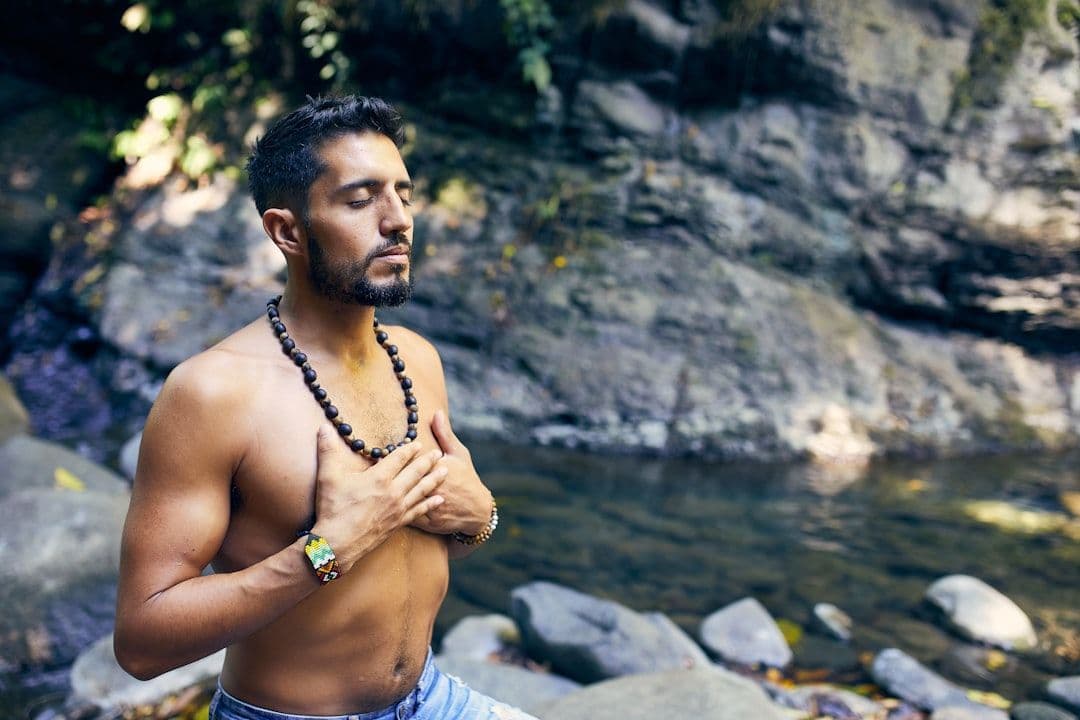
Imagine sitting in a circle with other seekers, breathing deeply while visualising yourself as a warrior setting clear boundaries. Or perhaps lying on a massage table as a practitioner guides you through embodied exercises designed to help you feel your physical strength and presence. These scenes capture the essence of Divine Masculine work—a contemporary spiritual practice that helps people access and develop traditionally masculine archetypal qualities.
Practitioners guide clients through various techniques to connect with qualities like assertiveness, courage, protective instincts, and decisive action. The work might involve meditation on warrior archetypes, breathwork designed to build confidence, or somatic exercises that help you literally embody feelings of strength and groundedness. Some sessions focus purely on energy work, whilst others incorporate physical movement or even elements of martial arts philosophy.
Central to this practice is the belief that everyone—regardless of gender—possesses both masculine and feminine energies. Masculine energy represents the outward-focused, action-oriented, boundary-setting aspects of personality, whilst feminine energy embodies receptivity, intuition, and emotional flow. Divine Masculine work specifically targets what practitioners see as a cultural deficit in healthy masculine expression.
Origins and Cultural Context
Divine Masculine emerged from the confluence of several modern spiritual movements during the late 20th century. Carl Jung's work on archetypal psychology provided the foundational framework, particularly his concepts of the anima and animus—the feminine and masculine aspects within each person's psyche. The men's movement of the 1980s and 1990s, inspired by works like Robert Bly's "Iron John," sought to reclaim positive masculine identity in response to perceived cultural confusion about male roles.
Contemporary Divine Masculine work also draws from various wisdom traditions that honour masculine archetypes—the Hindu concept of Shiva as divine masculine consciousness, Celtic warrior traditions, and shamanic practices from cultures worldwide. However, modern practitioners have synthesised these influences into approaches specifically designed for contemporary psychological and spiritual needs.
The practice has evolved significantly in recent years, particularly as conversations about toxic masculinity and gender roles have become more nuanced. Today's Divine Masculine practitioners often work with people of all genders, focusing less on traditional gender roles and more on accessing universal archetypal energies that support empowerment and balance.
How the Practice Works
Within the Divine Masculine framework, practitioners understand that archetypal energies exist as universal patterns that can be consciously accessed and embodied. They work with the principle that modern life often disconnects people from their natural assertiveness and protective instincts, leading to feelings of powerlessness, difficulty setting boundaries, or trouble making decisive decisions.
Sessions typically combine several modalities. Guided meditation might involve visualising yourself as various masculine archetypes—the wise king, the protective warrior, the focused magician—to access different aspects of inner strength. Breathwork techniques may be used to build feelings of groundedness and presence. Somatic practices help clients literally feel their physical power and learn to embody confidence through posture and movement.
Some practitioners incorporate elements of shadow work, helping clients examine how they may have suppressed their assertive instincts due to cultural conditioning or past experiences. Others focus on practical applications, teaching clients how to translate their newfound sense of inner strength into real-world boundary-setting and decision-making skills.
A Typical Session Experience
Most Divine Masculine sessions begin with a check-in about what's happening in your life where you might need more assertiveness or inner strength. Your practitioner might ask about specific situations where you feel powerless or struggle to advocate for yourself. This initial conversation helps focus the session on practical applications rather than abstract concepts.
The core work often involves guided experiences designed to help you access different qualities of masculine energy. You might be led through a visualisation where you embody a warrior preparing for battle—not literal combat, but the daily battles of standing up for yourself or pursuing your goals. Alternatively, you could engage in breathwork designed to build feelings of groundedness and presence, or movement exercises that help you literally feel your strength.
Many practitioners incorporate elements of ritual or ceremony—perhaps calling in the energy of particular masculine archetypes or using symbolic objects like stones or staffs to represent strength and authority. Sessions typically conclude with integration work, discussing how to carry these feelings of empowerment into your daily life and specific strategies for applying your enhanced assertiveness in real situations.
Evidence and Traditional Knowledge
Divine Masculine operates within spiritual and archetypal frameworks rather than biomedical paradigms, so its value is assessed through personal transformation and spiritual development rather than clinical outcomes. Practitioners and participants report increased confidence, improved boundary-setting abilities, and greater comfort with assertive communication following this work.
The practice draws legitimacy from several established psychological concepts. Jung's archetypal psychology provides a recognised framework for understanding universal patterns in human consciousness. Research in embodied cognition supports the idea that physical postures and movements can influence psychological states—the foundation of many somatic techniques used in Divine Masculine work.
Whilst there are no controlled studies specifically examining Divine Masculine practices, related fields offer relevant insights. Research on mindfulness meditation supports many of the contemplative techniques used, whilst studies on body-based therapies validate the general principle that physical experiences can facilitate psychological change. The practice's emphasis on developing assertiveness also aligns with established cognitive-behavioural approaches to building confidence and communication skills.
Finding Qualified Practitioners
Divine Masculine practitioners come from diverse professional backgrounds, including energy healers, life coaches, somatic therapists, and spiritual counsellors. Look for someone with solid training in their primary modality—whether that's breathwork, bodywork, or therapeutic coaching—plus specific experience in archetypal or masculine energy work.
Session costs typically range from £60-120 for individual work, with group workshops or retreats varying widely based on duration and location. Many practitioners offer both one-off sessions and longer programmes designed to support sustained personal development. Some incorporate Divine Masculine work into broader coaching or therapeutic practices.
When choosing a practitioner, ask about their training background and approach to safety, particularly if you have a history of trauma. The most effective practitioners can clearly explain their methods and help you understand what to expect. They should also be comfortable discussing how this work might complement any ongoing therapy or personal development you're already engaged with.