Before You Arrive
If you're booking with a practitioner, they'll likely suggest wearing loose, comfortable clothes you can easily remove footwear from. Natural fibres work well, though this isn't essential. Avoid applying lotions or oils to your feet beforehand, as these may interfere with skin-to-ground contact.
For outdoor sessions, check weather conditions and arrive hydrated. Your practitioner will have identified suitable grounding spots—typically grass, sand, soil, or natural stone surfaces away from busy roads or contaminated areas. If you're planning to earth at home, scout your garden or local park for clean, level ground.
Bring water and perhaps a towel for afterwards. Some practitioners provide grounding mats for indoor work, but if you're purchasing your own, ensure it's from a reputable supplier and properly tested. Leave electronic devices elsewhere if possible—many earthing enthusiasts prefer to minimise electromagnetic interference during sessions.
The Session Unfolds
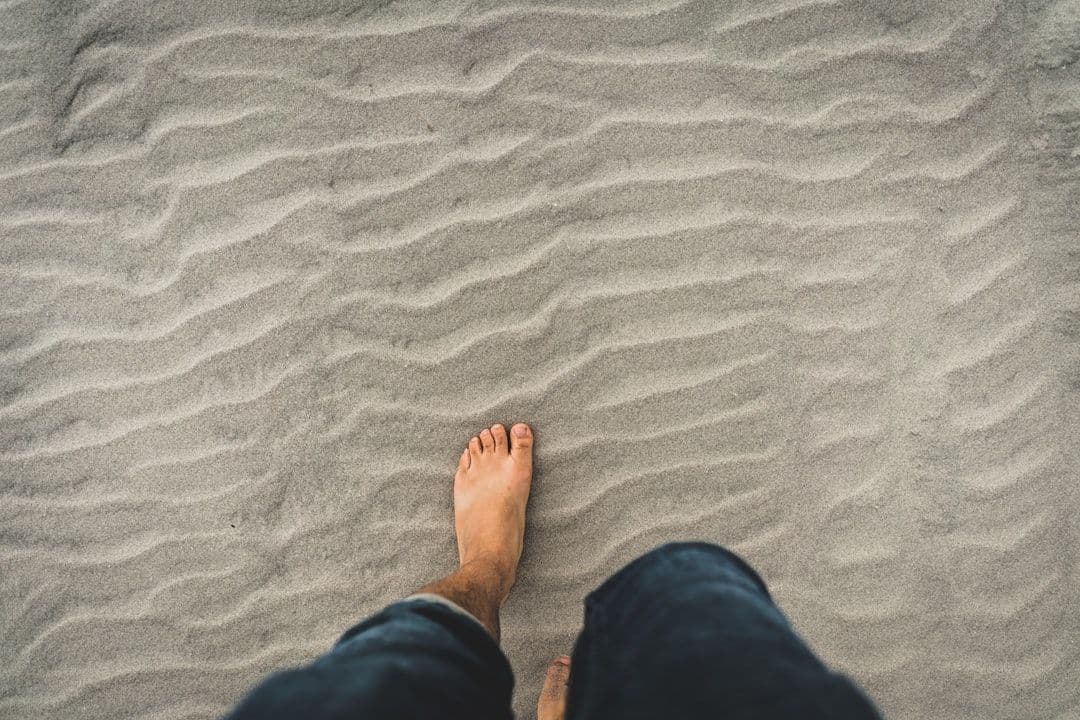
Your practitioner will begin by explaining the process and addressing any questions. You'll remove shoes and socks, and they may suggest rolling up trouser legs to maximise skin contact. The initial moments involve simply standing or sitting with bare feet on the chosen surface.
Many sessions start with 10-15 minutes of simple standing contact. Your practitioner might guide you through gentle breathing exercises or suggest you simply notice the sensations in your feet. The temperature and texture of the ground often feel quite pronounced initially—grass may feel cool and slightly damp, sand warm and yielding.
As the session progresses, you might move to lying down with hands and feet in contact with the earth. Some practitioners incorporate gentle movement—walking slowly across the surface or shifting between sitting and standing positions. Indoor sessions using grounding mats follow a similar pattern, though the sensations are typically less intense.
Sessions usually last 20-45 minutes initially, with experienced practitioners sometimes extending this to an hour or more. There's no particular protocol to follow—the emphasis is on maintaining comfortable contact and paying attention to how you feel.
What You Might Experience
Physical sensations vary considerably between individuals. Some people report a subtle tingling in their feet or hands within minutes, whilst others notice very little during the session itself. A sense of relaxation often develops gradually—similar to spending time in nature generally.
During longer sessions, you might feel slightly drowsy or experience what practitioners describe as a "grounded" sensation—a feeling of being more settled or centred. Some people report their breathing naturally deepens or their mind feels quieter, though these effects are subtle and not universal.
After sessions, many participants describe improved sleep quality that evening, though this might be influenced by the relaxing nature of spending time outdoors. Some report feeling more energetic the following day, whilst others notice little immediate change. It's worth noting that any effects tend to be gentle rather than dramatic.
Emotional responses can include a sense of connection to nature or simply the satisfaction of having taken time for self-care. Occasionally, people feel emotional releases during extended sessions, though this appears more related to the meditative aspect than earthing specifically.
After Your Session
Immediate aftercare is straightforward—rinse your feet if they've collected soil or sand, and rehydrate as you would after any relaxing activity. Many practitioners suggest avoiding intense electromagnetic environments (busy offices, electronic-heavy spaces) for an hour or so afterwards, though evidence for this recommendation is limited.
Some people prefer to maintain the relaxed state by continuing outdoor time or engaging in quiet activities. Others return to normal routines immediately with no issues. There are no specific dietary recommendations or restrictions following earthing sessions.
Effects, if you experience any, typically become apparent over days or weeks rather than immediately. Practitioners often suggest keeping a brief journal noting sleep quality, energy levels, or stress responses to track any patterns. However, it's important to maintain realistic expectations—changes, if they occur, are usually subtle.
Hydration remains important, particularly after outdoor sessions in warm weather. Some practitioners recommend earthing regularly rather than intensively—short, frequent sessions rather than occasional long ones.
Building Your Practice
Most practitioners suggest starting with 2-3 sessions weekly, each lasting 20-30 minutes, before deciding whether to continue. There's no standardised treatment protocol—some people earth daily for brief periods, others prefer longer weekly sessions.
If you're working with a practitioner, they might suggest a month-long trial period to assess whether earthing suits you. Those practicing independently often develop their own rhythms based on schedule and preference. Consistency appears more important than session length for those who do report benefits.
Indoor grounding using mats or patches allows for year-round practice, particularly appealing in climates with harsh winters. Some practitioners combine both approaches—outdoor earthing when weather permits, indoor grounding otherwise.
Realistic expectations are crucial. Whilst some small studies suggest possible benefits for inflammation markers and sleep quality, the research base remains limited. Many people find earthing valuable as a relaxation practice or way to connect with nature, regardless of proposed bioelectric effects. As with any wellness practice, individual responses vary considerably.