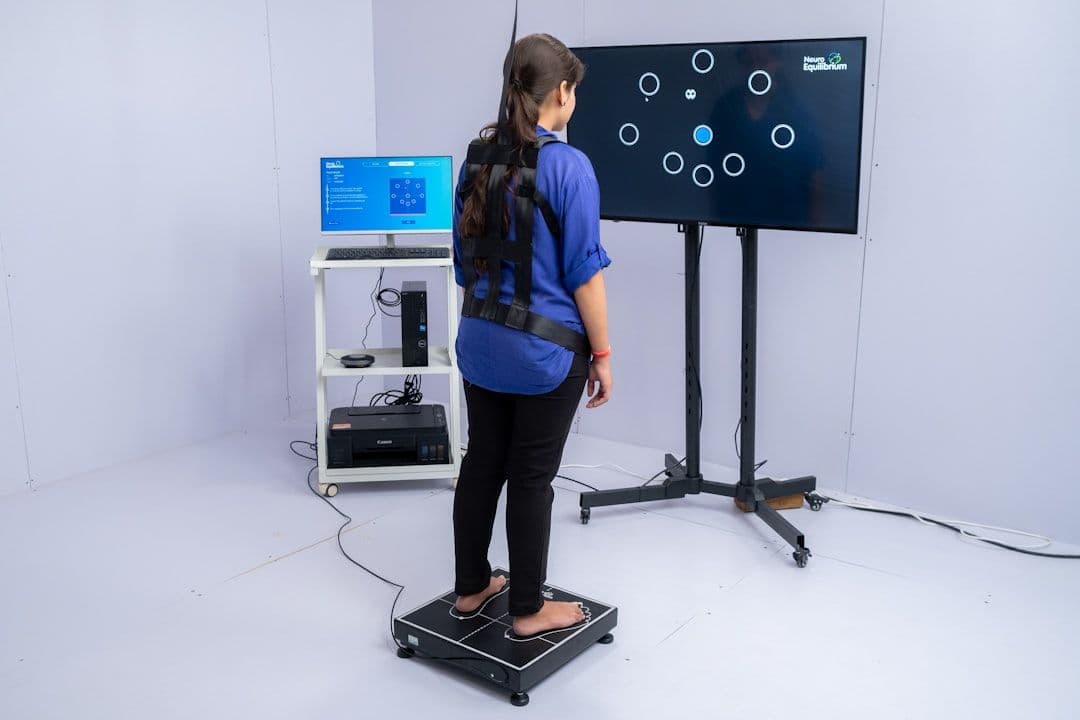
Current Evidence Landscape
EEG biofeedback research spans four decades, with over 2,000 published studies of varying quality. The evidence base includes approximately 40 randomised controlled trials, numerous case series, and observational studies. However, this body of work is unevenly distributed across conditions.
ADHD dominates the research landscape, accounting for roughly half of all controlled trials. Anxiety, depression, and sleep disorders have received moderate attention, whilst claims for autism, traumatic brain injury, and peak performance rest on much thinner evidence. The quality of studies has improved markedly since 2010, with better control groups and more rigorous methodology becoming standard.
Most research comes from specialised neurofeedback clinics and university laboratories, particularly in North America and Europe. This concentration raises questions about generalisability to routine clinical practice, where equipment and training standards may vary considerably.
Key Research Findings
The strongest evidence exists for ADHD treatment. A 2019 meta-analysis examining 13 randomised controlled trials with over 1,100 participants found significant improvements in inattention and hyperactivity symptoms. Effect sizes were modest but clinically meaningful—roughly equivalent to stimulant medication for some measures, though direct comparisons remain limited.
Several landmark studies stand out. The multisite randomised trial by Arns and colleagues (2014) followed 144 children for six months, demonstrating sustained improvements in ADHD symptoms that persisted at follow-up. Importantly, the study used an active control group receiving cognitive training, strengthening the case for specific neurofeedback effects.
Anxiety research shows promise but remains less robust. A 2016 systematic review identified eight controlled trials with mixed results. Studies consistently report subjective anxiety reduction, but objective measures like cortisol levels show inconsistent changes. Sample sizes typically range from 20-60 participants, limiting confidence in findings.
Preliminary research on sleep disorders, depression, and chronic pain exists, but most studies involve fewer than 30 participants and lack appropriate control groups.
Critical Limitations
Methodological inconsistencies plague the field. Neurofeedback protocols vary dramatically between studies—different electrode placements, frequency targets, and session structures make it difficult to determine which approaches work best. Some studies target specific frequencies like SMR (12-15 Hz), whilst others use broad-spectrum approaches or even randomise protocols.
Blinding remains problematic. Unlike pharmaceutical trials, participants always know they're receiving neurofeedback. Some studies attempt to address this with sham feedback, but creating convincing placebo neurofeedback proves technically challenging. Practitioner bias also influences outcomes, as most providers believe strongly in the method.
Publication bias likely skews the literature. Negative results appear less frequently in neurofeedback journals compared to mainstream medical publications. Several systematic reviews note this concern, particularly for conditions with limited evidence.
Long-term follow-up data remains sparse. Most studies end at treatment completion, with few tracking participants beyond three months. This gap makes it difficult to assess whether improvements represent temporary learning effects or lasting neuroplastic changes.
Evidence Supports vs. Remains Uncertain
The evidence supports neurofeedback as a potentially useful intervention for ADHD symptoms in children and adults. Multiple controlled trials demonstrate improvements that appear clinically relevant and persist beyond immediate treatment. For anxiety, preliminary evidence suggests benefit, but the research quality doesn't yet justify strong recommendations.
What remains uncertain is considerable. Optimal protocols for any condition are unclear—should treatment target specific frequencies or adapt to individual patterns? The minimum effective dose is unknown. Individual predictor factors haven't been identified, making it impossible to determine who will respond best.
Mechanism of action remains debated. Whether neurofeedback produces lasting changes in brain connectivity or simply teaches cognitive strategies remains unclear. Neuroimaging studies show inconsistent patterns of brain changes, and the relationship between EEG alterations and symptom improvement isn't straightforward.
For conditions beyond ADHD and anxiety, evidence remains largely anecdotal or based on case studies. Claims for autism, traumatic brain injury, or performance enhancement lack the controlled trial support needed for confident recommendations.
Future Research Priorities
The field needs larger, multisite trials with standardised protocols. Current studies typically involve single centres with 30-50 participants, insufficient to detect moderate effect sizes reliably. Collaborative networks are beginning to address this limitation, with several consortiums planning adequately powered trials.
Personalised medicine approaches require investigation. Rather than applying standard protocols, future research should explore individualised neurofeedback based on initial brain patterns or genetic markers. Some promising work suggests that baseline EEG characteristics predict treatment response, but replication studies are needed.
Long-term outcome studies are essential. Following participants for 12-24 months would clarify whether neurofeedback produces lasting changes or requires ongoing maintenance. This research would inform treatment recommendations and cost-effectiveness analyses.
Mechanism studies using advanced neuroimaging could resolve questions about how neurofeedback works. Understanding whether changes occur in specific brain networks would guide protocol development and help identify optimal candidates for treatment.