Preparing for Your Effleurage Session
Arrive wearing loose, comfortable clothing that's easy to remove or adjust. Many practitioners work with you undressed to underwear level and draped with towels, though effleurage can be performed through light clothing if you prefer. Bring a list of any medications or health conditions to discuss beforehand.
Avoid large meals two hours before your session, as lying flat can feel uncomfortable on a full stomach. You might want to skip caffeine if you're hoping to feel deeply relaxed. There's no need to shower immediately beforehand—your therapist will use massage oils or lotions that condition the skin.
Some practices offer a brief consultation on arrival, whilst others conduct this over the phone when booking. Either way, mention any areas of tension, recent injuries, or pressure preferences. This helps your practitioner tailor the session to your needs.
The Session Experience
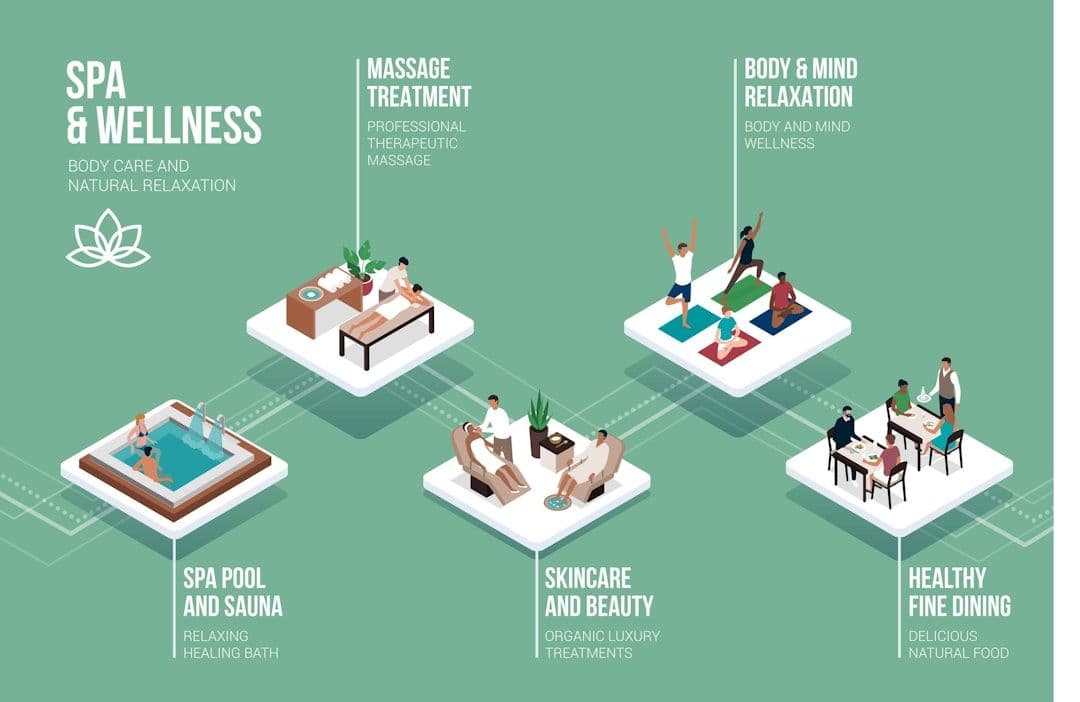
Your practitioner will begin with a few minutes of conversation about your health history and what you hope to achieve. You'll then be left to undress to your comfort level and lie on a massage table, usually face down initially, covered with clean towels or sheets.
The session opens with gentle contact—often placing hands on your back or shoulders—allowing you to acclimate to touch. Effleurage strokes begin slowly and broadly, using palms or forearms in long, continuous movements across your back, arms, and legs. The pressure remains light to moderate throughout, following natural body contours.
You'll likely be asked to turn halfway through for work on your front, with careful attention to draping for modesty. The practitioner maintains a rhythm that promotes relaxation, occasionally pausing to focus on areas where you hold tension. Sessions typically last 30-60 minutes, ending with a few moments of stillness.
The room will be comfortably warm and dimly lit, often with gentle background music. You might hear the sound of oil being warmed between your practitioner's hands before application.
What You Might Feel During and After
Most people notice a shift into deeper relaxation within the first ten minutes. The long, flowing strokes often feel soothing rather than therapeutic in an intense way. Your breathing may naturally slow and deepen. Some people drift into a light sleep.
Physically, you might feel warmth spreading through areas being worked on, followed by a pleasant heaviness in your limbs. Occasionally, people experience unexpected emotional responses—tears, laughter, or waves of feeling that seem to come from nowhere. This is normal and usually passes quickly.
Immediately after your session, you may feel slightly disoriented or deeply calm. Some people notice looser muscles and improved posture. Others feel energised, whilst some prefer to rest quietly. Mild soreness can occur 12-24 hours later, particularly if you've been holding significant tension.
The relaxation response often continues for several hours. You might sleep more deeply that night or notice reduced anxiety levels over the following day or two.
Post-Session Care
Drink plenty of water over the next few hours, as massage can stimulate circulation and lymphatic drainage. Avoid alcohol for the remainder of the day if possible, as your body may metabolise it differently whilst deeply relaxed.
Gentle movement helps maintain the benefits—a short walk rather than vigorous exercise. If you feel emotional after your session, allow yourself space to process these feelings rather than rushing back into demanding activities.
Some people notice continued muscle softening over 48 hours. If you experience any soreness, a warm bath with Epsom salts can help. Avoid intense physical activity immediately following treatment, but normal daily movements are fine.
Schedule your next session whilst the benefits are fresh in your mind, if you're planning a course of treatments. Your practitioner may suggest specific intervals based on your response to this first session.
Building a Treatment Programme
Single sessions work well for immediate relaxation or occasional stress relief. However, practitioners often recommend regular treatments for sustained benefits—perhaps weekly initially, then fortnightly or monthly for maintenance.
If you're addressing chronic stress or muscle tension, plan for 4-6 sessions spaced a week apart to establish a foundation. Your practitioner will adjust the approach based on how you respond. Some people prefer shorter, more frequent sessions, whilst others benefit from longer treatments less often.
For ongoing stress management, many people settle into monthly sessions as part of their self-care routine. Those with physically demanding jobs might need more frequent treatments. Your practitioner will help you find a rhythm that suits your needs and budget.
Keep notes about how you feel after each session and how long benefits last. This information helps both you and your practitioner optimise your treatment plan over time.