Current Research Landscape
The research base for equine Reiki consists almost entirely of case reports, practitioner observations, and small-scale surveys rather than controlled clinical trials. A 2018 survey of equine complementary therapy practitioners found that energy healing modalities were among the most commonly used approaches, yet formal investigation remains minimal.
The broader veterinary Reiki literature includes scattered case studies across multiple species, typically published in complementary medicine journals rather than mainstream veterinary publications. These tend to focus on behavioural observations rather than measurable physiological parameters.
Most documentation comes from practitioner training programmes and case study collections compiled by Reiki organisations. Whilst these provide insight into how the practice is applied, they lack the controls necessary to distinguish specific treatment effects from general handling, environmental changes, or natural recovery processes.
Observational Findings
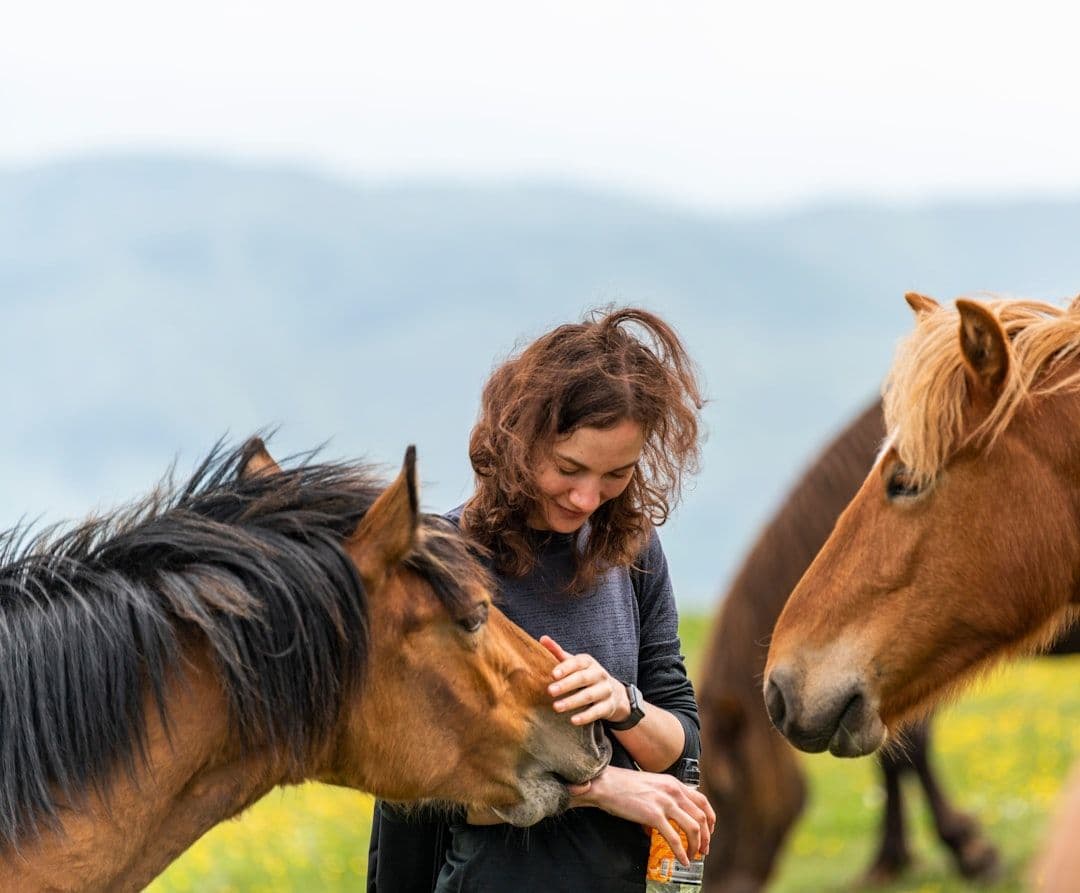
Practitioners consistently report observable changes in equine behaviour during sessions. Horses frequently display signs of relaxation: lowered head position, deeper breathing, reduced muscle tension, and what practitioners describe as 'soft' eyes. Some animals appear to seek out the practitioner's hands or position themselves to receive touch in specific areas.
Case reports document behavioural improvements in horses with anxiety, stereotypic behaviours, or trauma histories. A small-scale observational study in the United States followed twelve horses receiving regular Reiki sessions over eight weeks, noting reduced stress-related behaviours in nine animals according to owner reports.
Several veterinary practices incorporating energy healing report that horses seem calmer during subsequent conventional treatments, though this observation hasn't been systematically studied. The challenge lies in distinguishing these responses from the effects of quiet, focused human attention and gentle touch.
Evidence Gaps and Limitations
The absence of controlled trials means we cannot separate potential energetic effects from well-established benefits of calm human presence and therapeutic touch. Horses are highly responsive to human emotional states and handling quality, factors that could account for many observed responses.
Existing case reports lack standardised outcome measures, making comparisons impossible. What one practitioner describes as 'significant improvement' another might consider modest change. Without validated assessment tools for equine stress or pain specific to energy healing contexts, subjective interpretation dominates.
The heterogeneity of practice styles poses additional challenges. Session length, hand positions, practitioner training levels, and environmental factors vary considerably between reports. This makes it difficult to identify which elements, if any, contribute to reported outcomes.
Publication bias likely affects the available literature, as positive outcomes are more likely to be documented and shared than neutral or negative experiences.
Traditional Framework Understanding
Within Reiki tradition, the practice operates on principles of universal life force energy that animals instinctively recognise and utilise. Practitioners understand horses as particularly sensitive to energetic fields, drawing what they need from offered energy rather than having something 'done to' them.
This framework doesn't require validation through conventional research methods to maintain internal coherence and practical value for practitioners and horse owners. The tradition emphasises the horse's autonomy in the healing process and the practitioner's role as a conduit rather than an active agent.
Many experienced equine professionals integrate energy work with conventional care, viewing it as one tool among many for supporting animal welfare. Within this context, the practice's value lies in its contribution to the human-horse relationship and the peaceful environment it creates, regardless of specific energetic mechanisms.
Research Directions and Open Questions
Future investigation could focus on measurable stress indicators like cortisol levels, heart rate variability, or behavioural coding systems during and after sessions. Controlled studies comparing Reiki sessions with equivalent periods of quiet human presence would help isolate specific treatment effects.
Research into optimal session protocols, practitioner training requirements, and which horses might be most responsive could provide practical guidance. Investigation of horse-practitioner interactions and factors that predict positive outcomes might offer insights regardless of underlying mechanisms.
The development of validated outcome measures specific to equine energy healing would strengthen future research efforts. However, the question remains whether conventional research methodologies can adequately capture what practitioners and horse owners value most about these interactions.