Beyond the Canvas: What Expressive Arts Actually Looks Like
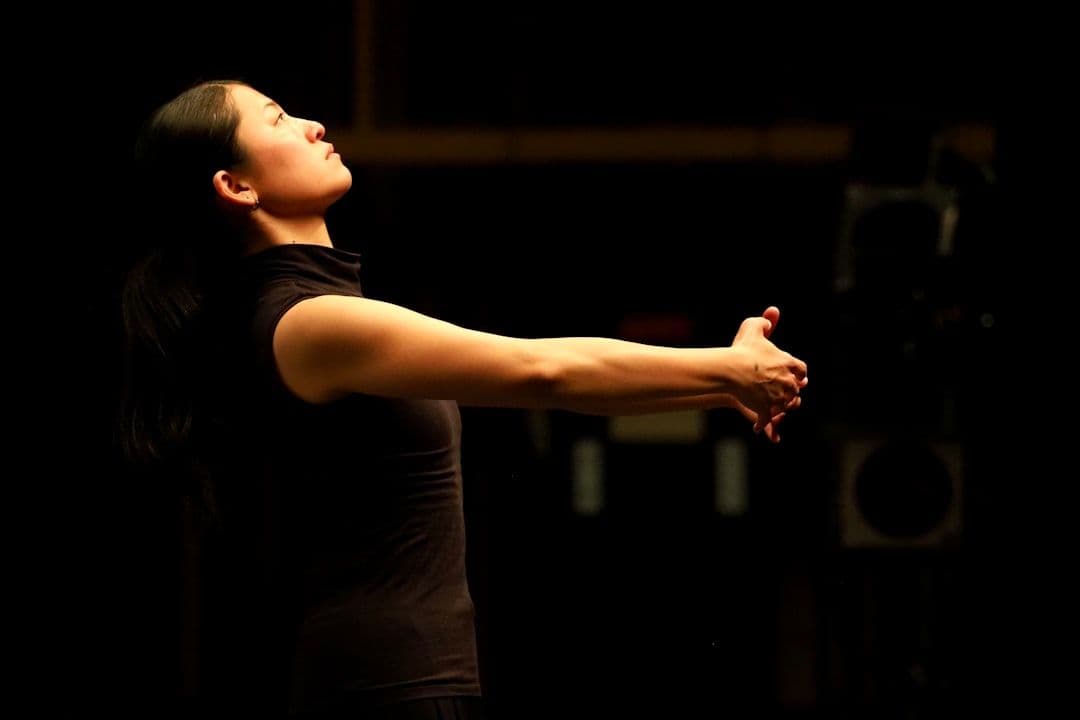
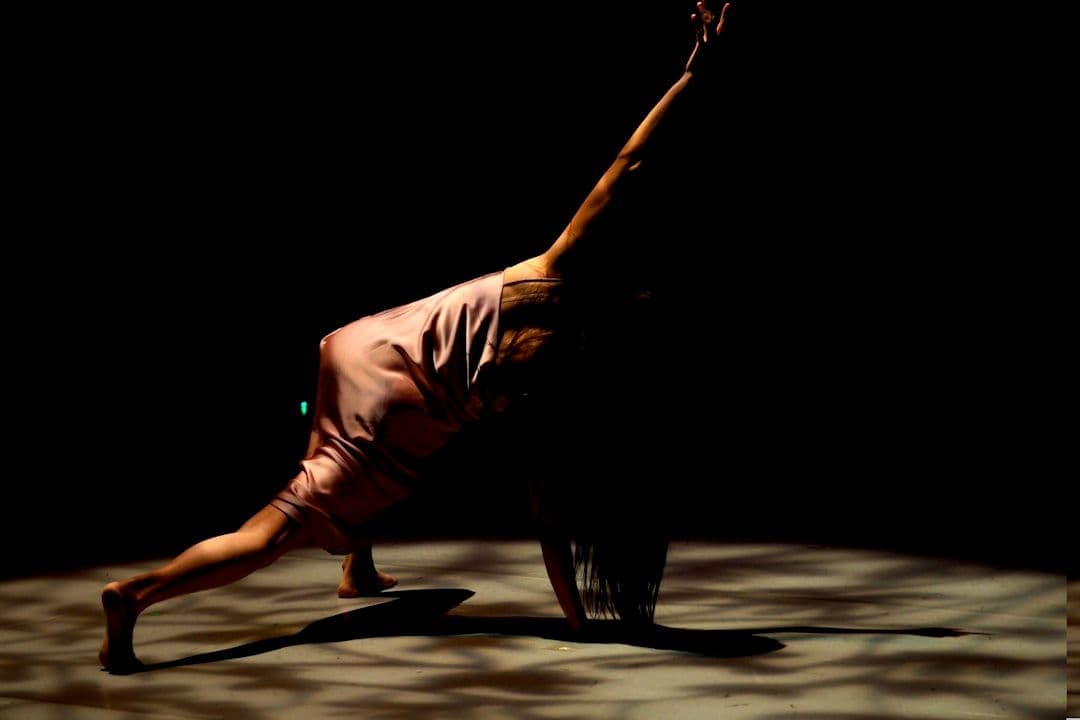
A woman stands before a large sheet of paper, paintbrush trembling in her hand. She hasn't painted since childhood, yet here she is, letting colours flow in response to the grief she cannot speak. Across the room, someone else moves to music only they can hear, their body telling the story their words have struggled to convey for months.
Expressive arts therapy harnesses creativity — visual art, movement, music, drama, poetry, or combinations thereof — as a pathway to emotional healing. Unlike traditional art classes focused on technique or outcome, this practice uses the creative process itself as the therapeutic tool. You might spend a session sculpting your anxiety in clay, writing letters to younger versions of yourself, or moving your body to express what feels stuck inside.
The fundamental premise is simple yet profound: sometimes our deepest experiences lie beyond the reach of language. Trauma, grief, joy, and complex emotions often live in the body, in sensory memories, in places that analytical thinking cannot easily access.
Roots in Revolution: How Art Became Medicine
Expressive arts therapy emerged from the convergence of several 20th-century movements. Psychiatrists working with shell-shocked soldiers in both world wars noticed that some patients could draw or sculpt their experiences when words failed entirely. Simultaneously, artists and educators like Viktor Lowenfeld began documenting how creative expression revealed psychological states in ways that conventional assessment could not.
The formal discipline crystallised in the 1960s through pioneers like Edith Kramer and Margaret Naumburg, who developed distinct approaches to art therapy. Kramer emphasised the healing power of the creative process itself, while Naumburg focused more on interpreting the symbolic content of artistic expression. These parallel streams eventually broadened beyond visual arts to encompass what we now call expressive arts therapy.
The field gained momentum during the human potential movement of the 1970s, when practitioners like Natalie Rogers (daughter of Carl Rogers) began integrating multiple art forms within a person-centred framework. This evolution recognised that different people access their inner worlds through different creative channels — some through movement, others through sound, still others through visual imagery or written word.
The Science of Creative Healing
Within the expressive arts framework, creative activity bypasses the analytical mind to access what practitioners call "embodied knowing" — information held in the nervous system, muscle memory, and unconscious awareness. The creative process provides a container for exploring difficult emotions safely, externalising internal states, and discovering new perspectives through metaphor and symbol.
Neuroscience research supports several aspects of this understanding. Creative activities activate the brain's default mode network, associated with self-reflection and emotional processing. Art-making also engages both hemispheres simultaneously, potentially facilitating integration of traumatic memories that often become fragmented. The rhythmic, repetitive nature of many creative activities — brushstrokes, drumbeats, movement patterns — can regulate the nervous system and reduce stress hormones.
Particularly significant is research showing that creative expression can help process traumatic memories without requiring explicit verbal recounting. This proves especially valuable for those whose trauma occurred before language development or was so overwhelming that it remains largely pre-verbal.
Who Finds Relief Through Creative Expression
Trauma survivors often discover expressive arts therapy when traditional talking therapies feel insufficient or re-traumatising. The non-verbal nature allows processing without having to repeatedly recount painful experiences. Military veterans, abuse survivors, and those who've experienced medical trauma frequently report that creative expression helps them access and integrate experiences that feel too large or complex for words.
People struggling with anxiety and depression may find the embodied, present-moment focus of creative work provides relief from rumination and negative thought patterns. The act of creating something external — a drawing, a dance, a poem — can help establish healthy boundaries between self and overwhelming emotions.
The approach also appeals to those who feel disconnected from their emotional lives. Many adults, particularly those raised in families where emotional expression wasn't encouraged, discover through creative work that they have rich inner worlds they'd lost touch with. The non-judgmental nature of the creative process can feel safer than direct emotional exploration for those who fear being overwhelmed by feelings.
Inside an Expressive Arts Session
Sessions typically begin with a brief check-in about your current emotional or physical state. Your practitioner might invite you to notice what's present for you — tension, sadness, restlessness, curiosity — without immediately trying to change it. This awareness then guides the choice of creative modality.
You might begin by selecting colours that match your mood, or moving your body in ways that express how you're feeling. There's rarely a predetermined outcome. If working with visual art, you might create abstract forms, representational images, or something entirely unexpected that emerges through the process. In movement work, you might explore how different emotions live in your body, or let your body tell a story through gesture and motion.
The practitioner serves as a supportive witness rather than an interpreter. They might ask open-ended questions — "What do you notice about this part of your painting?" or "How did your body feel during that movement?" — helping you discover your own meanings rather than imposing external analysis. Sessions often conclude with reflection, sometimes verbal, sometimes through further creative expression.
Research Findings and Remaining Questions
Systematic reviews demonstrate measurable benefits for PTSD symptoms, with effect sizes comparable to established trauma therapies. A 2019 meta-analysis found significant reductions in depression and anxiety scores across multiple studies. Research with military veterans shows particular promise, with several studies documenting sustained improvements in PTSD symptoms, sleep quality, and overall functioning.
The evidence base includes randomised controlled trials with cancer patients, showing reduced distress and improved quality of life. Studies with adolescents demonstrate improvements in emotional regulation and self-esteem. Neuroimaging research reveals changes in brain regions associated with emotional processing and stress response.
However, significant questions remain. Many studies have small sample sizes or lack active control groups. The heterogeneity of expressive arts approaches makes it difficult to determine which specific elements drive therapeutic benefits. More research is needed to establish optimal session frequency, duration of treatment, and how to match individuals with the most effective creative modalities for their particular needs.
Finding Qualified Practitioners and Practical Considerations
Look for practitioners registered with the CNHC (Complementary & Natural Healthcare Council) or members of professional bodies like the British Association of Art Therapists (BAAT). Training requirements vary, but qualified practitioners typically hold postgraduate qualifications in art therapy, music therapy, or expressive arts therapy from recognised institutions.
Sessions generally cost £45-80 in private practice, with some practitioners offering sliding scale fees. Many work within NHS settings, particularly in mental health services, though waiting times can be lengthy. Initial assessment usually determines whether weekly or fortnightly sessions work best, with many people benefiting from 12-20 sessions to see significant change.
No artistic experience or talent is required. Sessions accommodate all physical abilities, with modifications available for those with mobility limitations. Materials are typically provided, though some practitioners encourage bringing objects that hold personal significance. The key is finding someone whose approach feels right for you — some focus more on visual arts, others integrate multiple modalities, and some specialise in particular populations or presenting concerns.