The Research Landscape for Gong-Specific Studies
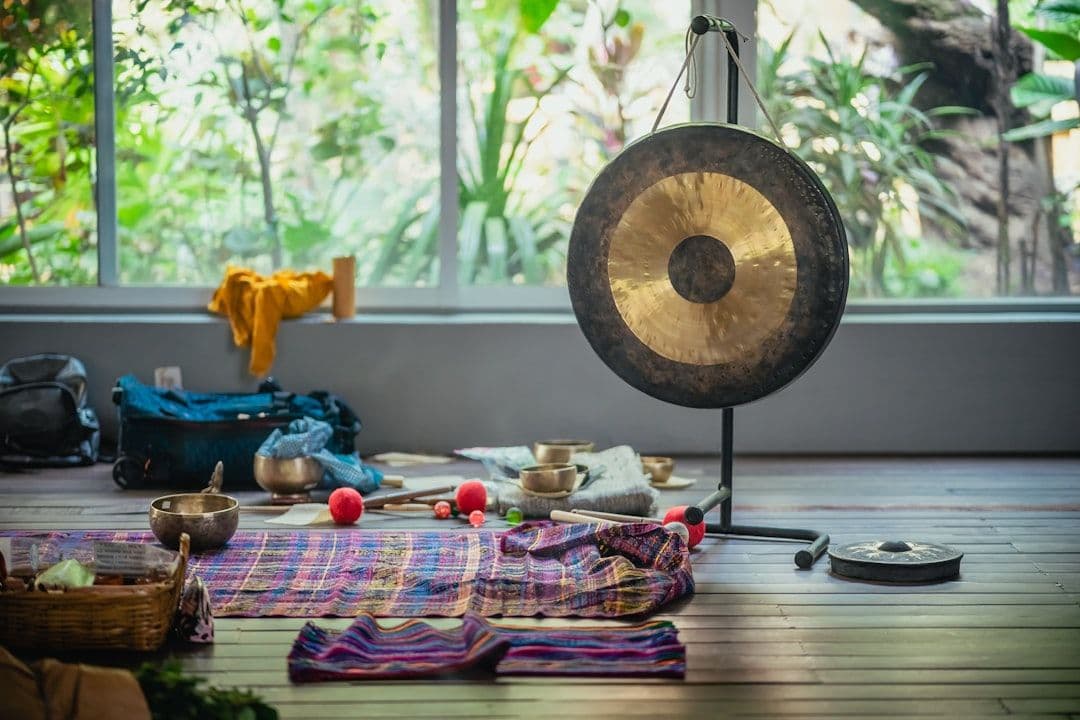
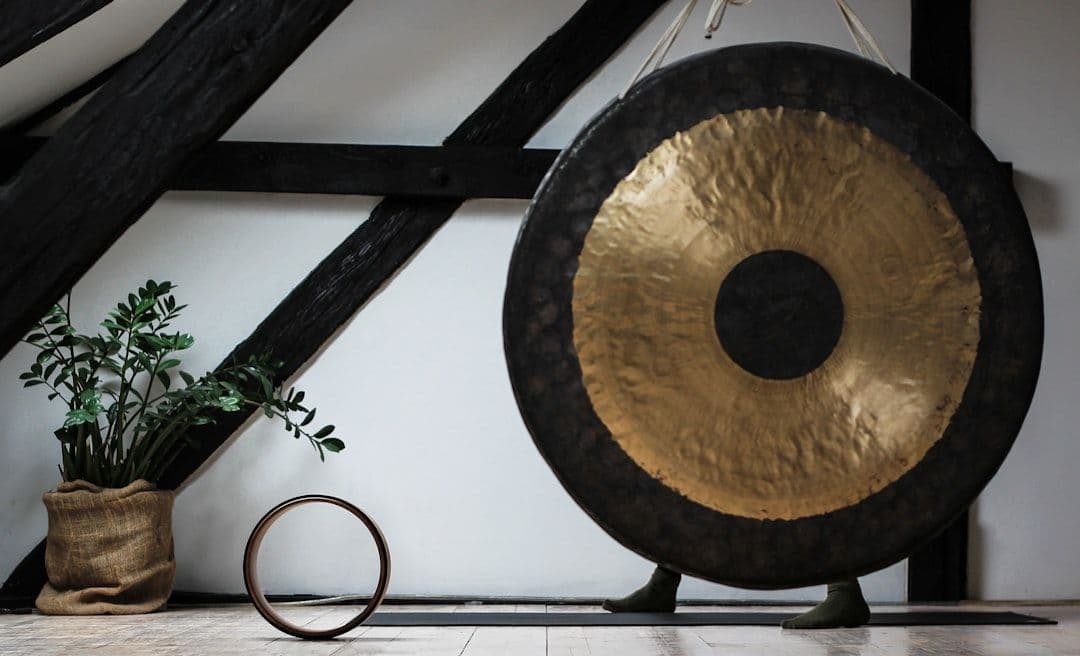
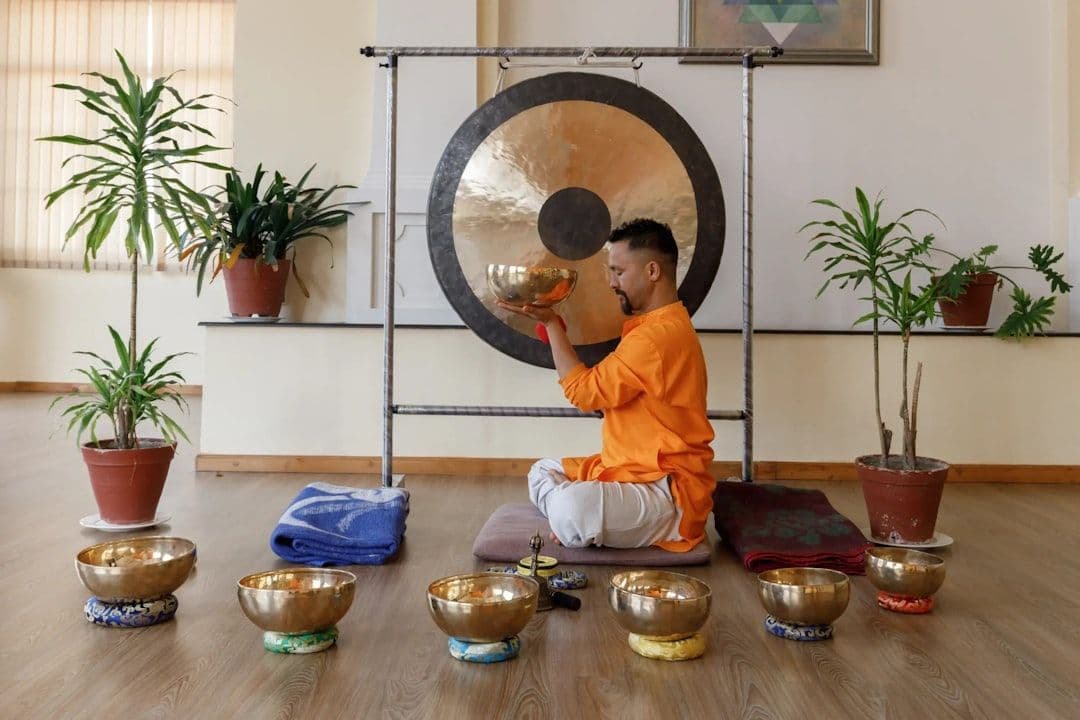
When examining the evidence base for gong therapy, we encounter an immediate challenge: remarkably few studies have investigated gongs specifically as therapeutic instruments. The published research landscape is dominated by broader sound healing studies that may include Tibetan singing bowls, tuning forks, or recorded music, but rarely isolate gongs as the primary intervention.
A 2020 systematic review of sound healing interventions identified only three studies that mentioned gongs amongst their protocols, and none examined gongs as the sole therapeutic tool. This scarcity reflects both the relatively recent interest in sound healing within academic medicine and the practical difficulties of standardising gong sessions for research purposes. Unlike pharmaceutical interventions with precise dosages, gong therapy involves highly individualised approaches that vary considerably between practitioners.
The acoustic complexity of gongs presents additional research challenges. A single gong produces fundamental frequencies alongside numerous overtones and harmonics that shift dynamically as the instrument resonates. This creates what acousticians term "spectral richness" — a constantly evolving soundscape that defies the controlled conditions typically required for clinical trials.
Findings from Sound Healing Research
Whilst gong-specific evidence remains limited, broader sound healing research provides relevant insights. A 2016 study published in the Journal of Evidence-Based Complementary Medicine examined physiological responses during sound meditation sessions that included gongs alongside other instruments. The 62 participants showed significant reductions in tension and anger scores, with some participants demonstrating decreased blood pressure readings post-session.
Neurological research offers intriguing possibilities. Small-scale EEG studies suggest that complex acoustic environments may influence brainwave patterns, potentially promoting states associated with relaxation and meditation. A 2019 pilot study found that participants exposed to sustained, low-frequency sounds showed increased alpha and theta wave activity — patterns linked to calm alertness and deep meditative states.
Stress hormone research provides another avenue of investigation. Preliminary studies indicate that certain sound frequencies may influence cortisol levels, though the mechanisms remain unclear. One small trial found modest reductions in salivary cortisol following sound healing sessions, though the sample size of 24 participants limits the generalisability of these findings.
Evidence Gaps and Research Limitations
The most significant limitation in gong therapy research is the absence of well-designed, gong-specific randomised controlled trials. Existing studies typically suffer from small sample sizes, lack of appropriate control groups, and inconsistent outcome measures. Many investigations group various sound healing modalities together, making it impossible to isolate gong-specific effects.
Standardisation presents another substantial hurdle. Gong therapy sessions vary enormously in duration, volume, gong selection, and playing techniques. This therapeutic flexibility, whilst valuable in clinical practice, makes rigorous research extremely challenging. Unlike studies of acupuncture, which can standardise needle placement and depth, gong research must contend with infinite variations in acoustic delivery.
Publication bias may also skew the available evidence. Positive results from small, exploratory studies are more likely to reach publication than negative findings, potentially creating an overly optimistic impression of gong therapy's efficacy. Additionally, much of the existing research emerges from centres with established interests in complementary medicine, raising questions about investigator bias.
What Current Evidence Does and Doesn't Support
Based on available research, we can cautiously suggest that gong therapy may support relaxation responses and potentially influence stress-related physiological markers. The evidence is strongest for short-term effects during and immediately following sessions, with participants consistently reporting enhanced calm and reduced tension.
However, the evidence does not support claims about long-term therapeutic benefits, specific medical applications, or mechanisms of action. We lack data on optimal session frequency, duration, or intensity. Claims about gongs affecting energy meridians, chakras, or specific organ systems remain within traditional knowledge frameworks rather than empirically validated findings.
The individual variation in responses appears considerable. Some participants in studies report profound relaxation effects, whilst others notice minimal changes. This suggests that gong therapy may suit particular personality types or stress patterns, though we cannot yet predict who might respond most favourably.
Future Research Directions
Several research avenues could advance our understanding of gong therapy's potential. Acoustic analysis studies could characterise the specific frequency patterns produced by different gongs and playing techniques, establishing a foundation for more precise therapeutic protocols.
Neuroimaging research using fMRI or advanced EEG could examine how gong sounds influence brain activity in real-time, potentially revealing mechanisms behind reported relaxation effects. Sleep quality studies might investigate whether regular gong sessions influence rest patterns — a common anecdotal claim amongst practitioners.
Larger, well-designed trials comparing gong therapy to established relaxation techniques would provide crucial comparative effectiveness data. Such studies would need careful attention to blinding challenges and appropriate control conditions, perhaps using recorded gong sounds or alternative acoustic interventions.
Longitudinal research examining sustained practice effects could address questions about cumulative benefits and optimal treatment schedules. Until such studies emerge, gong therapy remains most appropriately understood through its traditional frameworks and individual practitioners' clinical observations rather than Western medical paradigms.