Before You Arrive
Wear clothing that allows easy access to your arms - short sleeves or loose, rollable sleeves work best. Remove rings and watches from the affected hand, as swelling can make removal difficult later. If you have one, bring any current splint or support you've been using.
Gather any relevant medical documents: X-rays, surgical reports, or referral letters from your doctor. These help your therapist understand your specific condition and surgical approach if applicable. Avoid applying heavy creams or lotions to your hands before the session, as your therapist will need to assess skin condition and perform manual techniques.
Plan to arrive 10 minutes early for paperwork. Consider how you'll manage daily tasks afterwards - some techniques may temporarily increase sensitivity or require you to avoid certain activities for a few hours.
The Assessment Phase
Your first session begins with detailed questioning about your injury, symptoms, and daily challenges. Your therapist will ask specific questions: "Which activities hurt most?" "What feels impossible right now?" They're mapping not just what's wrong, but what you need to do with your hands.
The physical assessment follows a systematic pattern. Your therapist measures joint angles using a small protractor-like tool called a goniometer. They'll test grip strength with a handheld dynamometer - you'll squeeze as hard as possible whilst they record the measurement. Pinch strength gets tested too, using your thumb and fingertips to squeeze a gauge.
Sensation testing comes next. Expect gentle touches with cotton wool, pinpricks with a disposable tool, and vibration testing with a tuning fork. Your therapist observes how you move naturally, watching for compensatory patterns you may have developed. This assessment typically takes 15-20 minutes and establishes your baseline measurements.
Manual Treatment and Techniques
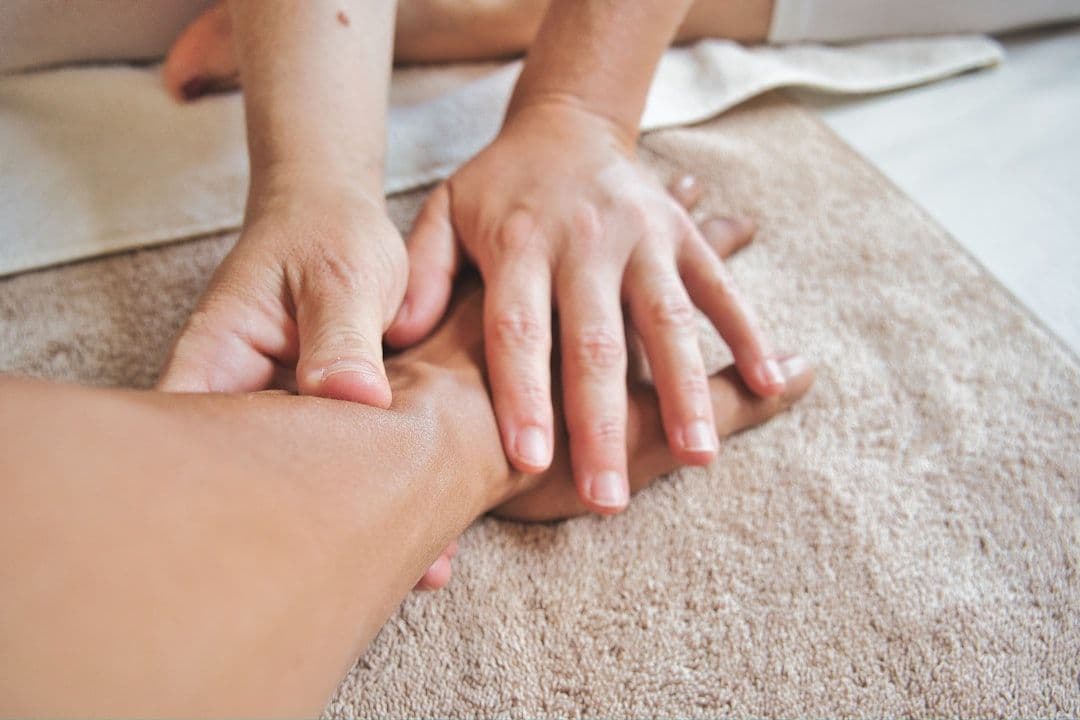
Hand therapy combines several manual approaches depending on your condition. Your therapist might begin with gentle mobilisation - carefully moving your joints through their available range whilst supporting the surrounding structures. These movements often feel like a firm, controlled stretch.
Scar management involves specific massage techniques if you've had surgery. Your therapist applies measured pressure and performs cross-friction massage to prevent adhesions from limiting movement. Initially, this might feel uncomfortable but shouldn't be painful. They'll teach you self-massage techniques to continue at home.
Splinting assessment happens frequently. Your therapist might modify an existing splint or create a custom one using thermoplastic materials. You'll feel the warm, pliable material being shaped directly to your hand - it cools and hardens within minutes to provide targeted support.
Exercise Prescription and Training
The exercise portion forms the heart of most sessions. Your therapist demonstrates specific movements, then guides your attempts, correcting technique as needed. Exercises progress logically: passive movements first (where the therapist moves your hand), then active-assisted (you initiate, they help), finally active movements performed independently.
Strengthening exercises often use everyday objects creatively. You might squeeze therapy putty, manipulate coins, or practice writing. The resistance feels gentle initially but builds systematically. Your therapist watches closely, noting which movements you find challenging and adjusting accordingly.
Functional training simulates real-world tasks. You might practice buttoning shirts, opening jars, or typing movements. This phase often reveals gaps between clinical improvement and practical ability. Sessions typically conclude with a home exercise programme - expect 3-5 specific exercises to perform daily.
What You Might Experience
During treatment, expect some discomfort but not sharp pain. Stiff joints often feel tight during mobilisation, and weak muscles may fatigue quickly during exercises. Many people describe a "good hurt" - the sensation of tissues being gently challenged rather than damaged.
Emotionally, sessions can be revealing. Hand injuries often impact identity, particularly for people whose work or hobbies depend on dexterity. Frustration with slow progress is normal, as is surprise at how much you've compensated without realising. Your therapist expects these responses and can discuss concerns.
After sessions, your hand might feel looser but also slightly achy. Some people experience increased awareness of their hand position and movement. Temporary fatigue in the treated area is common, particularly after strengthening work.
Aftercare and Recovery Timeline
Follow your home exercise programme consistently - this determines much of your progress between sessions. Perform exercises as demonstrated, not harder or more frequently than prescribed. Ice can help if you experience increased swelling after treatment, but avoid heat unless specifically recommended.
Wear any prescribed splints exactly as instructed. Many people want to "test" their progress by avoiding splints, but this can delay healing. Keep incisions clean and dry, and monitor for signs of infection: increasing redness, warmth, or discharge.
Most people attend sessions twice weekly initially, reducing to weekly as they improve. Acute injuries might require 6-8 sessions over 6 weeks, whilst complex conditions or post-surgical cases often need 12-15 sessions over 2-3 months. Your therapist will discuss realistic timelines based on your specific condition - healing follows biological timescales that can't be rushed, but consistent work maximises your eventual outcome.