What Is Healing the Soul?
Picture someone sitting in quiet contemplation at dawn, not simply meditating on breath or mantra, but deliberately engaging with questions that touch the deepest layers of existence: What patterns keep repeating in my life? What wounds need attention? Where does my soul feel fragmented or incomplete?
Healing the Soul represents an intentional practice of spiritual restoration that goes beyond conventional meditation or self-help approaches. Practitioners engage in structured inner work designed to address what they understand as soul-level wounds—those deep spiritual injuries that conventional therapy might not reach. Rather than focusing on symptom management or behavioural change, this practice concerns itself with fundamental questions of spiritual wholeness.
The approach combines contemplative practices with directed self-inquiry, often incorporating elements drawn from various wisdom traditions. Some practitioners work with concepts of soul retrieval, spiritual cleansing, or energetic restoration. Others focus on uncovering and healing generational patterns or karmic influences they believe affect their spiritual wellbeing.
Spiritual Roots and Evolution
Soul healing practices appear across numerous spiritual traditions, from shamanic soul retrieval ceremonies to Christian contemplative traditions focused on spiritual purification. Ancient Egyptian, Greek, and Indigenous cultures all developed sophisticated understandings of soul fragmentation and restoration. What we now call Healing the Soul often draws from this rich tapestry of wisdom.
The contemporary form emerged during the spiritual renaissance of the late 20th century, when Western seekers began integrating Eastern meditation practices with Indigenous healing concepts and depth psychology insights. Modern practitioners might combine Tibetan Buddhist concepts of subtle consciousness with Native American understanding of soul loss, or blend Christian mystic practices with contemporary energy healing approaches.
This evolution reflects a growing desire for spiritual practices that address existential concerns—questions of meaning, purpose, and spiritual identity that traditional religious institutions might not fully explore. Unlike established religious frameworks, Healing the Soul typically offers a more personalised, non-dogmatic approach to spiritual restoration.
The Inner Landscape of Soul Work
Within this practice's framework, the soul is understood as the essential spiritual self that can become wounded, fragmented, or disconnected through life experiences, trauma, or spiritual neglect. Practitioners believe these soul-level injuries manifest as persistent life patterns, emotional blocks, or a sense of spiritual emptiness that conventional approaches cannot resolve.
The healing process typically involves entering contemplative states where practitioners can access deeper layers of consciousness. Through meditation, prayer, visualisation, or ritual work, they explore their inner landscape with the intention of identifying and addressing spiritual wounds. Some practitioners work with concepts of inner guides, spiritual allies, or higher wisdom that can direct the healing process.
From a psychological perspective, these practices might engage similar mechanisms to depth psychotherapy or mindfulness-based interventions. The contemplative states could activate the parasympathetic nervous system, promoting relaxation and introspection. The structured self-inquiry might help integrate fragmented aspects of experience, whilst the spiritual framework could provide meaning and hope that supports psychological wellbeing.
Who Seeks Soul Restoration?
People drawn to this practice often describe feeling spiritually adrift despite material success or conventional achievements. They might experience a persistent sense that something essential is missing, or feel disconnected from their authentic self and life purpose. Others come following major life transitions—death of loved ones, career changes, relationship endings—that have triggered deep questions about meaning and spiritual identity.
Those who've explored conventional therapy or self-help approaches without finding lasting resolution might seek soul-level work. They often sense that their challenges stem from something deeper than learned behaviours or thought patterns. Some describe feeling called to heal not just personal wounds, but generational or ancestral patterns they believe they've inherited.
Individuals comfortable with metaphysical concepts and non-linear healing approaches tend to find this work most accessible. The practice requires willingness to explore spiritual dimensions of experience and engage with concepts that don't fit conventional Western frameworks of healing.
The Practice Unfolds
A typical session begins with creating sacred space—perhaps through lighting candles, burning incense, or setting clear intentions for the inner work. Practitioners often start with meditation or breathwork to shift into contemplative awareness, moving beyond everyday consciousness into deeper spiritual presence.
The core work varies significantly based on individual needs and practitioner approaches. Some engage in structured self-inquiry, asking penetrating questions about life patterns, relationships, or spiritual blocks whilst maintaining meditative awareness. Others might practice visualisation exercises, imagining dialogue with inner wisdom figures or exploring symbolic landscapes that represent their spiritual condition.
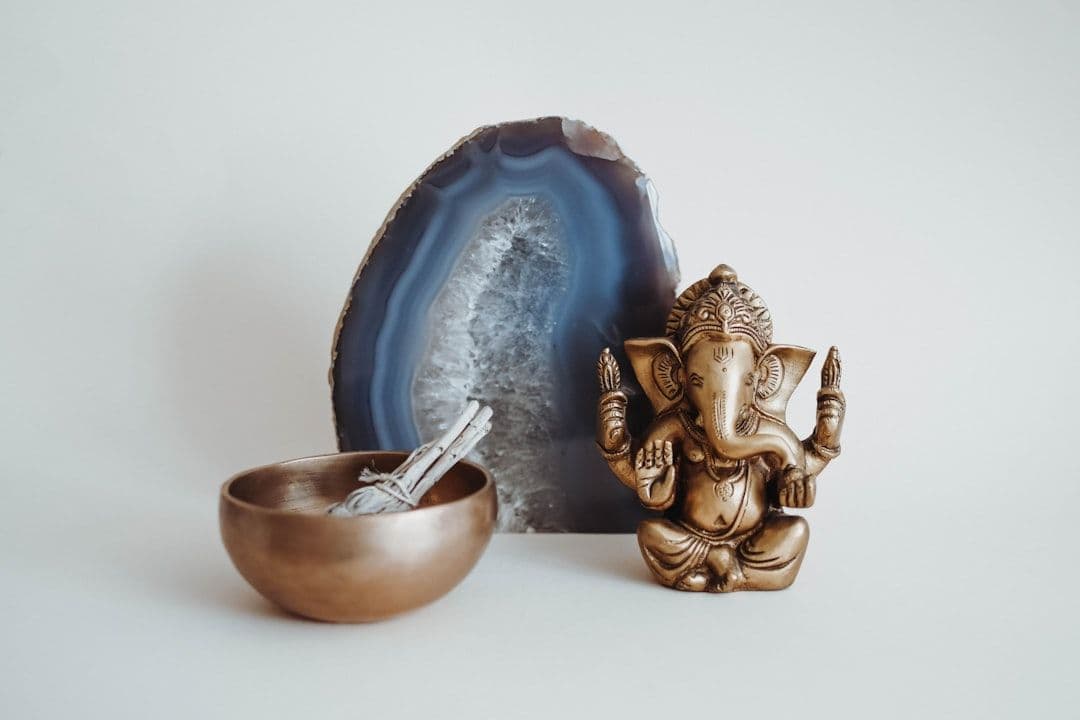
Ritual elements often support the healing process. Practitioners might work with crystals, sacred objects, or ceremonial actions that symbolise release, integration, or spiritual renewal. Some incorporate movement, chanting, or artistic expression as ways of accessing and expressing soul-level material. Sessions typically conclude with integration practices—journaling, prayer, or quiet reflection to anchor insights and healing intentions.
The practice usually unfolds over months or years rather than weeks, with practitioners developing their own rhythm of inner work supported by occasional guidance from experienced mentors or spiritual teachers.
Finding Your Way
Soul healing work often begins as self-directed practice, though many benefit from initial guidance from experienced practitioners or spiritual mentors. Look for guides who demonstrate genuine spiritual maturity, respect your autonomy, and avoid making grandiose claims about outcomes. Many effective practitioners have backgrounds in contemplative traditions, depth psychology, or established spiritual lineages.
Qualifications vary widely since this isn't a regulated field. Some practitioners hold certifications in related areas like spiritual direction, meditation instruction, or energy healing, whilst others draw authority from personal spiritual experience and informal mentorship. Trust your intuition about potential guides, and seek someone whose approach resonates with your spiritual sensibilities.
Individual sessions with experienced practitioners typically range from £60-150, though many people primarily engage this work independently with occasional guidance. Retreat settings offer intensive opportunities for soul work, with weekend programmes costing £200-500 and longer retreats ranging from £500-1500.
Begin gradually if you're new to intensive spiritual practice. Start with daily meditation or contemplative practices before engaging deeper soul work. Many find that reading spiritual texts, joining meditation groups, or participating in contemplative workshops helps prepare for more intensive inner exploration.