The Chemistry of Plant Medicine
In your kitchen cupboard, turmeric's golden curcumin compounds are quietly demonstrating anti-inflammatory activity that rivals some pharmaceutical preparations. Dried ginger contains gingerols that can settle nausea as effectively as prescription antiemetics for some people. These aren't mystical properties—they're measurable biochemical interactions between plant compounds and human physiology.
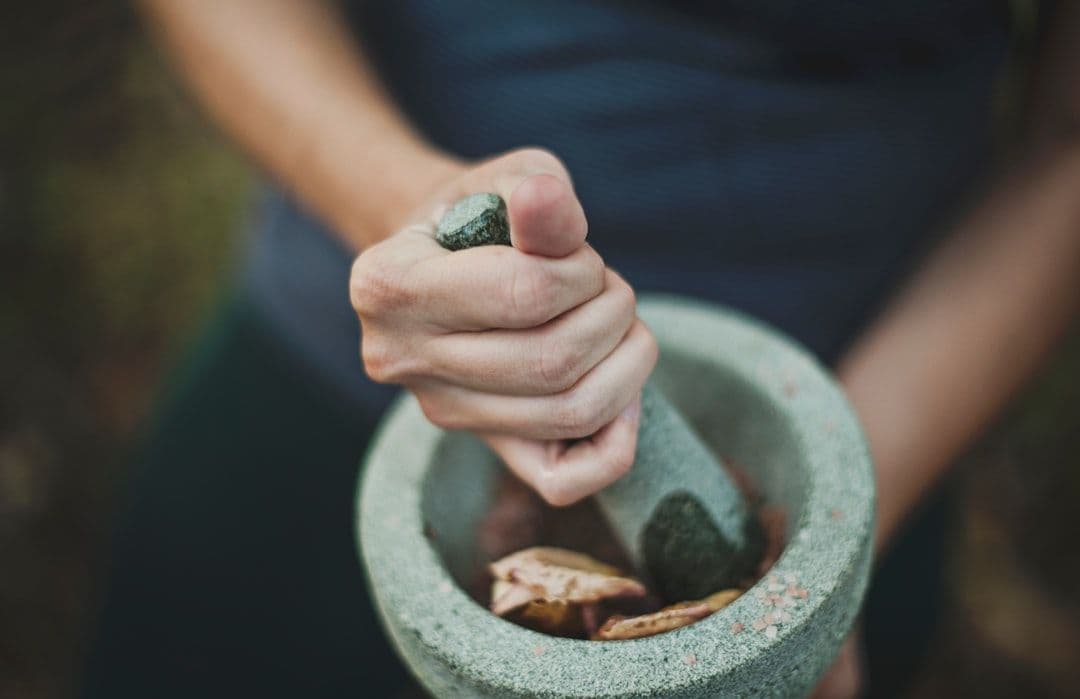
Herbal treatments harness the bioactive molecules that plants produce for their own survival. Alkaloids like morphine from poppies, cardiac glycosides from foxglove, and salicylates from willow bark have given rise to modern pharmaceuticals. The difference lies in delivery: where drugs isolate single compounds, herbal preparations retain the plant's full spectrum of constituents.
This complexity can be both advantageous and challenging. Multiple compounds may work synergistically—chamomile's apigenin binds to benzodiazepine receptors whilst its volatile oils provide additional calming effects. However, this same complexity makes standardisation difficult and outcomes less predictable than single-compound medications.
From Traditional Knowledge to Modern Practice
Herbal medicine represents humanity's oldest healthcare system, with archaeological evidence of medicinal plant use dating back 60,000 years. Traditional Chinese Medicine, Ayurveda, and European folk medicine developed sophisticated frameworks for understanding plant properties and therapeutic applications over millennia.
Modern herbal practice draws from these traditions whilst incorporating contemporary understanding of pharmacology and safety. Today's practitioners combine traditional knowledge—such as using willow bark for pain relief—with modern extraction techniques and quality testing. European regulatory frameworks now recognise many herbal medicines through traditional use registrations, acknowledging both historical precedent and safety profiles.
This evolution continues through research programmes that investigate traditional claims. Some herbs, like echinacea for immune support, show mixed results under clinical scrutiny. Others, like St John's wort for mild depression, have accumulated enough evidence to earn recognition in clinical guidelines.
How Plant Compounds Work in Your Body
When you drink ginger tea for nausea, gingerol compounds travel to your digestive system and interact with serotonin receptors that control vomiting reflexes. The effect is specific and measurable—clinical trials show ginger can reduce chemotherapy-induced nausea by up to 40% in some patients.
Different herbs work through distinct mechanisms. Turmeric's curcumin inhibits inflammatory pathways at the cellular level, explaining why it may ease joint pain. Valerian's valerenic acid appears to increase GABA activity in the brain, promoting relaxation. Milk thistle's silymarin protects liver cells from toxins through antioxidant activity.
The method of preparation significantly influences how these compounds reach their targets. Alcohol tinctures extract different constituents than water-based teas. Topical preparations deliver compounds directly to affected areas, whilst oral preparations must survive digestion and liver metabolism. Understanding these factors helps explain why the same herb might work well for one person but not another.
Who Benefits Most From Herbal Approaches
People managing chronic inflammatory conditions often find herbal support valuable alongside conventional care. Arthritis patients may experience reduced pain and stiffness with turmeric supplementation, whilst those with inflammatory bowel conditions might benefit from slippery elm or chamomile preparations.
Digestive complaints represent another area where herbs show consistent benefit. Peppermint oil capsules help many people with irritable bowel syndrome, whilst ginger effectively manages various forms of nausea. These applications often provide relief when conventional options are limited or cause unwanted side effects.
Those seeking to reduce their reliance on over-the-counter medications may find herbs offer gentler alternatives for minor complaints. However, herbal treatments work best as part of a broader health strategy that includes appropriate nutrition, sleep, and stress management. They're particularly valuable for people who respond well to natural approaches but shouldn't be considered suitable for serious acute conditions requiring immediate medical intervention.
What to Expect From Herbal Treatment
Herbal treatments rarely produce immediate dramatic changes—most require consistent use over weeks or months to achieve optimal benefit. A typical approach might involve taking standardised capsules twice daily, using topical preparations as needed, or incorporating therapeutic teas into your routine.
Your initial consultation with a qualified herbalist should include a thorough health history, current medications review, and discussion of your specific concerns. Practitioners often recommend starting with single herbs rather than complex formulas, allowing you to gauge individual responses. They may suggest keeping a symptom diary to track changes over time.
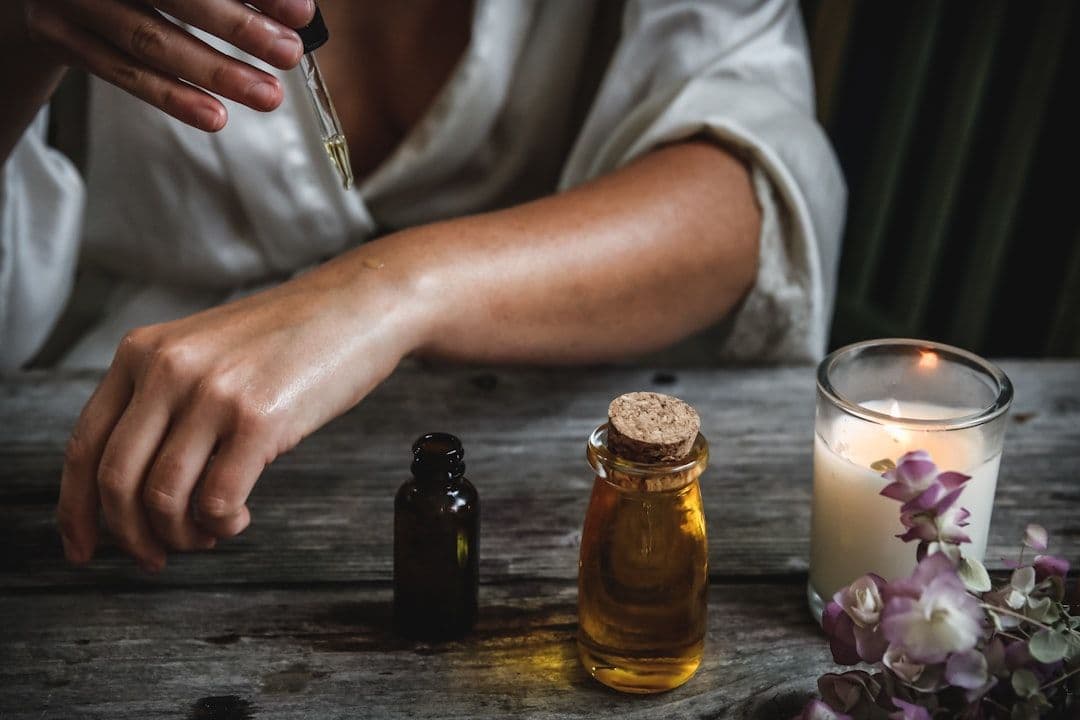
Preparations vary widely in form and concentration. Tinctures offer precise dosing and rapid absorption, whilst capsules provide convenience and standardised amounts. Topical preparations like infused oils or poultices deliver compounds directly to affected areas. Quality practitioners source from reputable suppliers who provide certificates of analysis showing purity and potency levels.
The Evidence Landscape
Research support for herbal treatments varies dramatically depending on the specific plant and condition. Some herbs boast robust clinical evidence: systematic reviews support ginger for nausea, turmeric for osteoarthritis, and cranberry for urinary tract infection prevention. Others rely primarily on traditional use and smaller studies.
The challenge lies in translating research findings to real-world use. Many studies use standardised extracts with guaranteed compound levels, whilst commercial products may contain variable amounts of active constituents. A turmeric supplement might contain anywhere from 5mg to 500mg of curcumin—a hundred-fold difference that dramatically affects therapeutic potential.
Regulatory oversight remains inconsistent. Some products undergo rigorous testing for purity and potency, whilst others rely on manufacturer claims alone. This variability means that even herbs with strong research support may disappoint if you're using poor-quality preparations. The evidence supports herbal medicine's potential, but realising that potential requires careful product selection and professional guidance.
Finding Quality Care and Products
Qualified herbal practitioners in the UK typically train through programmes accredited by the CNHC or hold membership with organisations like the National Institute of Medical Herbalists. Look for practitioners who conduct thorough health assessments, discuss potential drug interactions, and source products from established suppliers with quality certifications.
Expected costs range from £60-120 for initial consultations, with follow-up appointments typically costing £40-80. Quality herbal products cost £15-50 monthly depending on the specific preparations used. While this represents a significant investment, it's often comparable to long-term over-the-counter medication use.
When selecting products independently, choose manufacturers who provide certificates of analysis, use standardised extracts where appropriate, and follow Good Manufacturing Practice guidelines. Organic certification doesn't guarantee therapeutic potency but does indicate attention to quality control. Remember that the cheapest option is rarely the most effective—quality herbal medicine requires investment in proper cultivation, extraction, and testing processes.