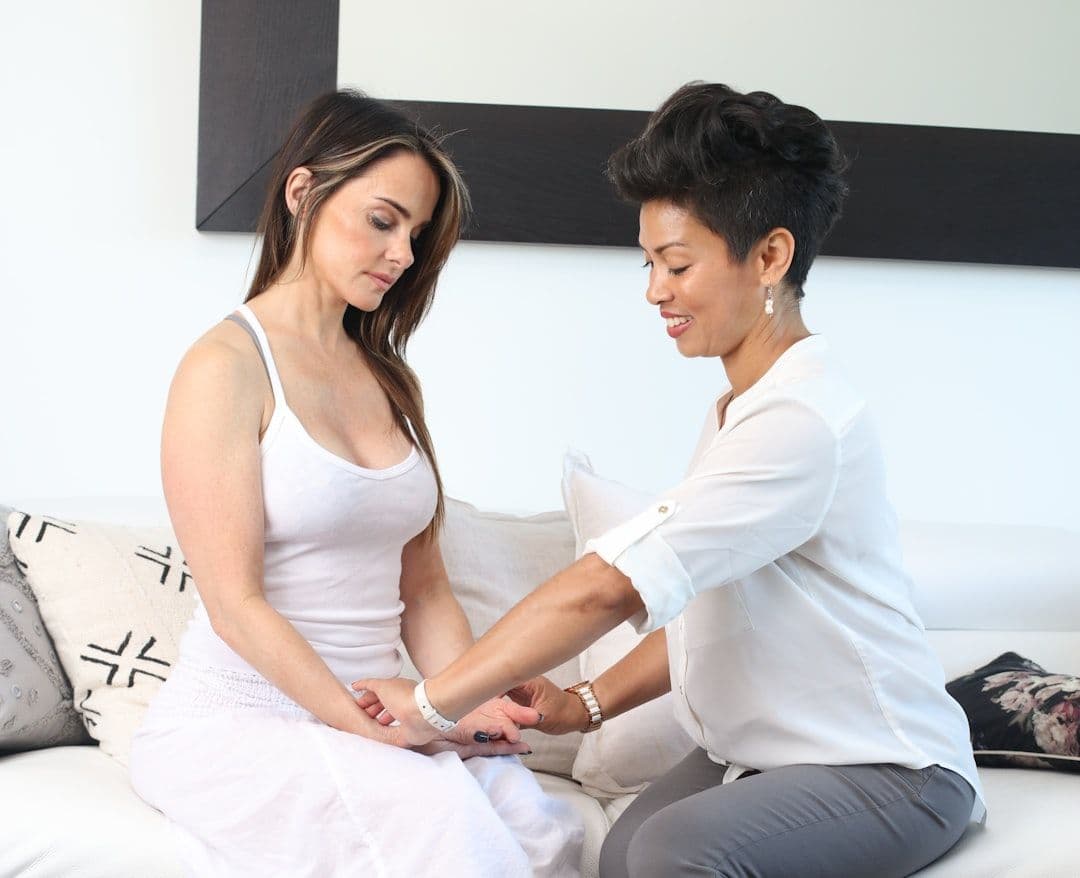
What Holistic Fertility Actually Involves
Picture a woman tracking not just her menstrual cycle, but her sleep quality, stress levels, and how her body responds to different foods. She's receiving acupuncture twice weekly, taking carefully selected herbal preparations, and practising specific breathing techniques her practitioner taught her. Her partner is adjusting his diet, taking targeted supplements, and both are learning to recognise how their emotional state affects their physical wellbeing.
This is holistic fertility in practice — a coordinated approach that views conception as dependent on multiple interconnected systems rather than purely reproductive function. Unlike conventional fertility treatment that focuses primarily on ovulation, sperm counts, and timing, holistic fertility addresses nutrition, stress physiology, hormonal balance, emotional wellbeing, and lifestyle factors simultaneously.
The approach typically involves several practitioners working together: a nutritionist specialising in reproductive health, an acupuncturist with fertility training, sometimes a medical herbalist, and often a counsellor or coach focusing on the psychological aspects of conception. Rather than quick fixes, these interventions are designed to support the body's natural reproductive processes over several months.
Origins and Evolution of the Approach
Holistic fertility emerged from the convergence of traditional healing systems with modern nutritional science and reproductive medicine. Traditional Chinese Medicine has addressed fertility concerns for thousands of years through acupuncture, herbal formulas, and dietary therapy, whilst Ayurveda developed sophisticated understandings of reproductive health through constitutional assessment and lifestyle modification.
The contemporary Western iteration began developing in the 1980s and 1990s as practitioners from different disciplines noticed that couples often conceived after addressing seemingly unrelated health issues. Nutritional therapists observed that women with previously irregular cycles often normalised after dietary changes. Acupuncturists documented improved conception rates when treatment addressed overall constitutional health rather than just reproductive symptoms.
By the 2000s, these observations began merging into structured programmes combining multiple modalities. The approach gained credibility as research emerged supporting individual components — studies showing acupuncture could improve IVF success rates, nutritional interventions affecting hormone levels, and stress reduction techniques influencing reproductive outcomes. Today's holistic fertility represents an attempt to integrate these findings into comprehensive care protocols.
How the Approach Works
Within the holistic framework, fertility depends on optimal functioning across multiple body systems. Practitioners assess how well the endocrine system produces and balances reproductive hormones, whether the digestive system adequately absorbs nutrients essential for egg and sperm development, how effectively the nervous system manages stress responses that can disrupt ovulation, and whether circulation adequately supplies reproductive organs.
The interventions target these systems simultaneously. Nutritional support might include specific nutrients known to support egg quality — folate, vitamin D, omega-3 fatty acids, and antioxidants like CoQ10. Acupuncture aims to regulate hormonal cycles and improve blood flow to reproductive organs. Stress management techniques address how chronic stress elevation can suppress ovulation and reduce sperm quality through elevated cortisol levels.
From a biomedical perspective, several mechanisms show promise. Acupuncture appears to influence reproductive hormone levels and may improve blood flow to the endometrium. Certain nutritional interventions can demonstrably affect insulin sensitivity, which influences ovulation in women with PCOS. Stress reduction techniques can measurably lower cortisol levels, potentially removing one barrier to natural conception. The integrated approach assumes these effects are cumulative and synergistic, though this remains largely theoretical.
Who Might Find This Helpful
Couples who've been trying to conceive for six months to a year often seek holistic fertility support before pursuing medical investigation. This group frequently includes women experiencing irregular cycles, unexplained changes in menstrual patterns, or fertility concerns following hormonal contraceptive use. Men concerned about sperm quality or couples who prefer exploring natural approaches before considering medical intervention also commonly pursue this route.
People undergoing conventional fertility treatment represent another significant group. Some seek holistic support to optimise their chances during IVF cycles, particularly after previous unsuccessful attempts. Others want complementary approaches to manage the stress and side effects of fertility medications whilst maintaining some sense of agency in their treatment.
The approach often appeals to individuals with diagnosed conditions affecting fertility — women with PCOS seeking to regulate cycles naturally, people with endometriosis looking to manage symptoms, or those with thyroid disorders wanting comprehensive support alongside medical treatment. Couples dealing with 'unexplained infertility' frequently explore holistic approaches when conventional investigations reveal no obvious barriers to conception.
What to Expect in Practice
Initial consultations typically last 60-90 minutes and involve detailed health histories covering menstrual patterns, previous pregnancies, stress levels, sleep quality, digestive health, and current lifestyle. Practitioners often request several months of symptom tracking — menstrual cycles, energy levels, mood changes, and physical symptoms — to identify patterns before recommending interventions.
Ongoing care usually involves regular appointments with different practitioners. Acupuncture sessions might occur weekly or twice weekly, particularly around ovulation and menstruation. Nutritional consultations occur monthly to adjust dietary recommendations and supplement protocols. Herbal medicine prescriptions are typically reviewed every 4-6 weeks as hormonal patterns change.
The timeline extends over several months, as reproductive cycles and gamete development require time to respond to interventions. Women are usually advised that egg quality improvements take approximately three months to manifest, whilst sperm development cycles require about 74 days. Most programmes recommend committing to at least three to six months of consistent intervention before evaluating effectiveness, though some couples report improvements in energy, sleep, or cycle regularity within weeks.
Evidence and Research Context
Research support varies considerably across different holistic fertility components. Acupuncture has the strongest evidence base, with systematic reviews suggesting modest improvements in conception rates, particularly when combined with IVF. Several large trials show acupuncture may improve live birth rates in women undergoing assisted reproduction, though results remain somewhat inconsistent.
Nutritional interventions show promising but mixed evidence. Specific nutrients like folate, vitamin D, and omega-3 fatty acids have demonstrated roles in reproductive health through well-designed trials. Dietary patterns emphasising whole foods and Mediterranean-style eating show associations with improved fertility outcomes, though causation remains unclear. However, many specific supplement protocols lack rigorous testing.
Herbal medicine evidence remains largely preliminary. Some traditional formulations show promise in small trials — certain Chinese herbal combinations may improve ovulation rates in women with PCOS, whilst specific herbs demonstrate potential effects on sperm quality. However, most herbal fertility protocols lack comprehensive clinical testing, and quality control in herbal products remains inconsistent.
The integrated, multi-modal approach that defines holistic fertility has received limited direct research. Whilst individual components show varying degrees of evidence, whether combining them provides additional benefits remains largely theoretical.
Practical Considerations and Finding Support
Holistic fertility programmes typically cost £150-£400 monthly, depending on the combination of practitioners and interventions included. Initial consultations range from £80-£150 per practitioner, with ongoing sessions costing £50-£90 each. Herbal medicines and supplements add £40-£100 monthly, making this approach a significant financial commitment over the recommended 3-6 month timeframe.
Look for practitioners with specific fertility training rather than general qualifications. Acupuncturists should hold additional certification in reproductive health through organisations like the Association of Community and Comprehensive Health Centres (ACCHC) or Zita West training programmes. Nutritional therapists should be registered with CNHC and have documented fertility specialisation. Medical herbalists should be registered with the National Institute of Medical Herbalists (NIMH) and experienced in reproductive health.
Consider this approach as complementary to, rather than replacement for, conventional fertility investigation and treatment. Most reputable practitioners encourage maintaining relationships with GP and fertility specialists whilst pursuing holistic support. This collaborative approach allows monitoring of both conventional fertility markers and response to holistic interventions, providing the most comprehensive care possible.