A hormone blood panel is one of the most requested — and most misunderstood — tests in women's health. The same panel can mean something different depending on age, cycle day, medication use, and even what time of morning the blood was drawn. This article explains what a typical female hormone panel measures, what patterns are associated with common conditions, and the practical details — timing, supplements, contraception — that change how results should be read. It is written for anyone preparing for a test or trying to make sense of results already in hand, alongside a qualified healthcare professional rather than in place of one.
What a female hormone panel measures
A standard panel groups hormones by the system they come from:
- •Estradiol and progesterone — the main ovarian hormones. Estradiol influences the menstrual cycle, mood, bone density, and skin; progesterone rises after ovulation and helps stabilise the uterine lining.
- •FSH and LH — pituitary hormones that signal the ovaries. FSH is often used as a marker of how hard the pituitary is working to stimulate the ovaries; LH drives ovulation.
- •Testosterone and DHEA — produced in smaller amounts by the ovaries and adrenal glands, contributing to energy, libido, and muscle maintenance; DHEA acts as a precursor the body can convert into oestrogen or testosterone.
- •Thyroid markers (TSH, free T3, free T4) — thyroid hormones regulate metabolism, and an underactive or overactive thyroid can closely mimic other hormonal symptoms.
- •Optional additions — AMH (linked to egg count, and unlike FSH can be measured on any cycle day), prolactin, and cortisol, added depending on symptoms.
Why people are paying attention now
Interest in hormone testing has grown alongside wider conversations about perimenopause, PCOS, and the limits of a single "normal" blood test. Many women describe being told their labs are unremarkable while still living with disruptive symptoms — a gap that has pushed more people to want to understand, in plain language, what these tests can and cannot resolve on their own.
How this connects to wellbeing
Hormone patterns rarely stay contained to reproduction. Thyroid imbalance can present as fatigue or low mood; elevated prolactin can disrupt cycles and fertility; cortisol dysregulation from chronic stress can suppress the reproductive hormones entirely. Reading a panel in isolation, without considering sleep, stress, nutrition, and life stage, tends to miss this bigger picture — part of why integrative approaches to hormone health have grown alongside conventional testing.
What the evidence says
- •PCOS is diagnosed using the Rotterdam criteria — at least two of three features: irregular ovulation, clinical or biochemical signs of excess androgens, and polycystic ovaries on ultrasound (or an elevated AMH as a substitute marker). A raised LH-to-FSH ratio is a commonly discussed but not universally required marker.
- •Perimenopause is associated with rising FSH and increasingly erratic estradiol, but a single reading can be misleading: levels can swing from normal to high within weeks, so clinicians typically weigh age, cycle changes, and symptoms alongside — not instead of — lab values.
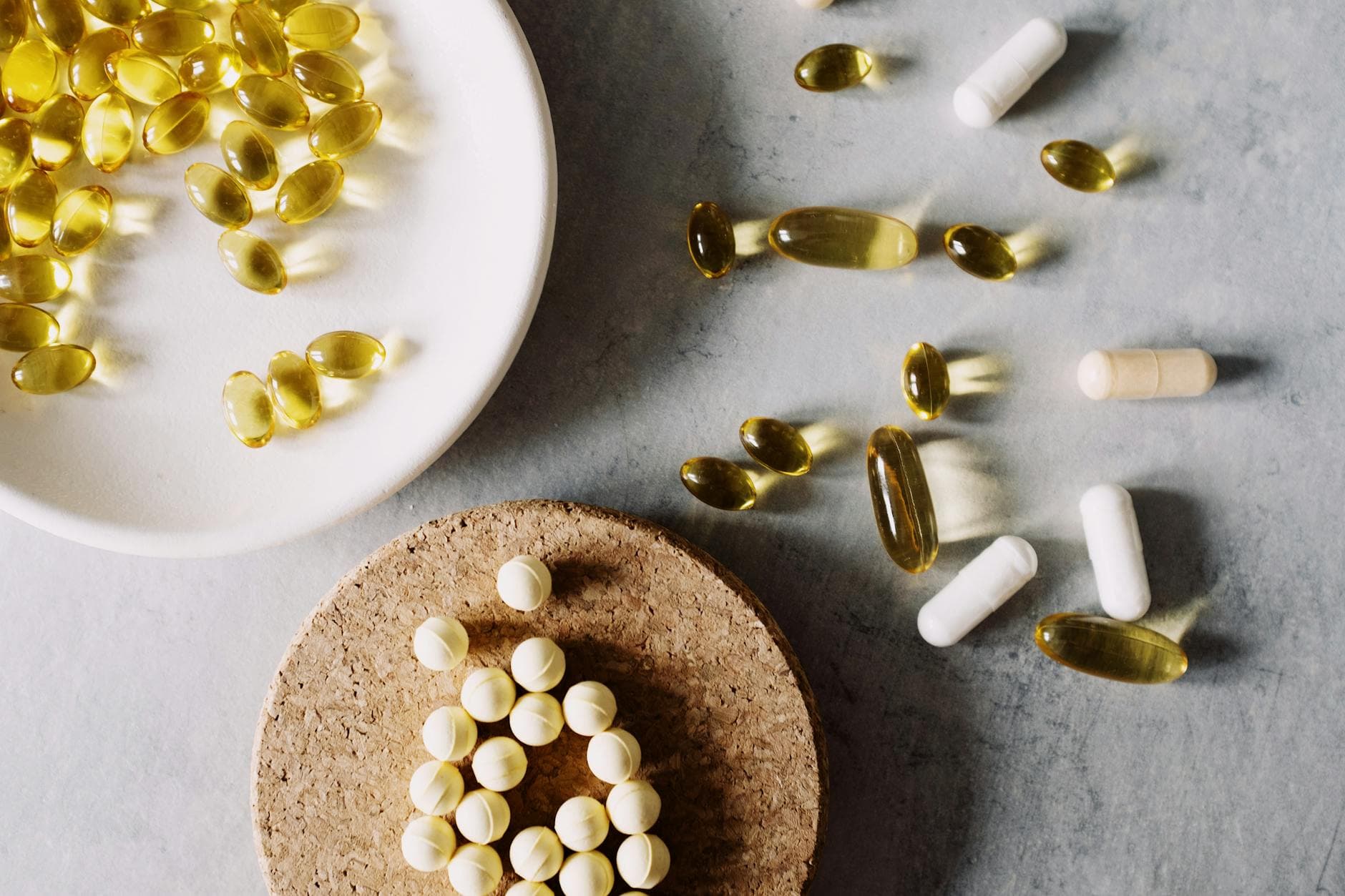
- •Thyroid readings can be distorted by biotin. The FDA issued a warning after case reports showed high-dose biotin supplements can falsely suppress TSH and falsely raise free T3/T4 on immunoassay-based tests, mimicking an overactive thyroid that isn't really there.
- •Hormonal contraception suppresses the hypothalamic-pituitary-ovarian axis by design, lowering natural FSH, LH, and estradiol. Testing while on contraception measures a suppressed, medicated state rather than an underlying baseline.
- •AMH reflects egg count and can be drawn on any cycle day, but professional bodies including ACOG advise against using it alone to counsel women on fertility potential.
MACH perspectives
From a Metaphysical, Alternative, Complementary, and Holistic lens, hormone testing is most useful when it is one part of a wider picture rather than the whole story. Complementary approaches — nutrition support, sleep and stress regulation, and cycle-aware tracking — are commonly explored alongside conventional testing, not as a replacement for it. Holistic practitioners often focus on the context around a number (stress load, sleep quality, nutrient status) that a single lab value cannot capture on its own.
Practical support options people may explore
- •Tracking cycle-day, sleep, and symptoms alongside any test result, to give a clinician more than a single snapshot to work from.
- •Speaking with a nutrition-literate or integrative practitioner about factors, such as stress and sleep, that influence cortisol and downstream reproductive hormones.
- •Asking, before any panel, whether current supplements (particularly biotin) or contraception should be paused or noted for the lab.
- •Exploring mind-body approaches such as breathwork or gentle movement, which some people use alongside medical care to support stress regulation — not as a treatment for a hormone condition itself.
When to seek qualified support
Persistent symptoms — significant cycle changes, severe PMS, unexplained fatigue, new hirsutism or acne, heavy or absent periods, or possible perimenopausal symptoms disrupting daily life — are worth raising with a GP, gynaecologist, or endocrinologist rather than self-interpreting a lab report. Sudden severe symptoms, very heavy bleeding, or signs of a possible pituitary issue (such as vision changes alongside hormonal symptoms) warrant prompt medical attention.
How Gyfts can help you explore safely
Gyfts is a discovery platform, not a testing or diagnostic service. Practitioners listed on Gyfts may help people explore complementary approaches — such as nutrition support, stress regulation, or holistic cycle tracking — alongside their own qualified medical care for hormone-related symptoms, depending on each practitioner's training, scope, and location.
Gyfts is a discovery and education platform. This article is not medical advice, diagnosis, or treatment. If symptoms are severe, persistent, or concerning, speak with a qualified healthcare professional.