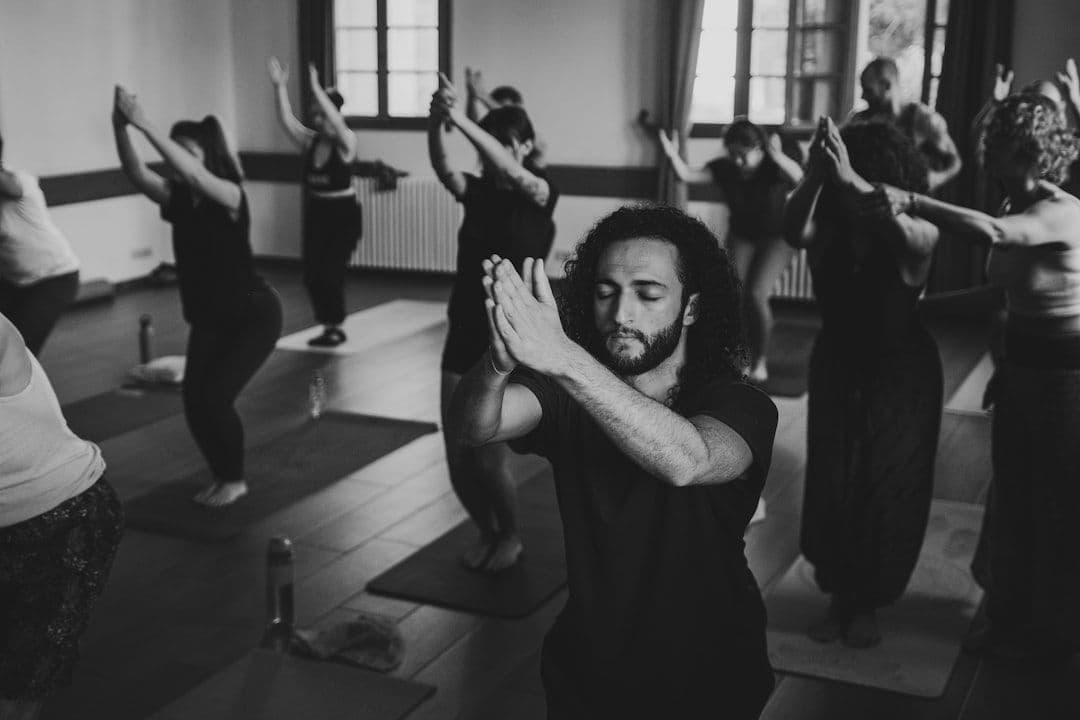
Stepping Into the Heat Chamber
Walk into a hot yoga studio and the wall of humid air hits you immediately. The temperature hovers around 38–41°C, with humidity levels that make breathing feel thick and deliberate. Mirrors fog with condensation. Within minutes, sweat beads form on your skin before you've moved through a single pose.
This isn't your gentle evening yoga class. Hot yoga transforms familiar postures into a cardiovascular workout that challenges your body's cooling mechanisms whilst demanding the same balance, strength, and flexibility as traditional practice. The heat becomes an additional element to work with — or against — as you flow through sequences.
The most recognised form is Bikram yoga, performed in rooms heated to exactly 41°C with 40% humidity, following a strict sequence of 26 postures. However, many studios now offer heated versions of vinyasa, yin, or power yoga at slightly lower temperatures, typically 32–38°C.
From Calcutta to Camden: Hot Yoga's Evolution
Hot yoga's modern incarnation traces back to Bikram Choudhury, who developed his heated practice in India during the 1970s before bringing it to the United States. Choudhury claimed the heat replicated India's natural climate where yoga originated, allowing practitioners in cooler climates to experience "authentic" conditions.
The practice gained popularity in Western countries during the 1990s and 2000s, particularly among fitness-focused practitioners drawn to its physical intensity. Studios began experimenting with different temperatures and yoga styles, moving beyond the rigid Bikram format to create heated versions of established yoga traditions.
Today's hot yoga landscape includes everything from "warm" classes at 32°C to extreme heat sessions exceeding 41°C. This evolution reflects both growing practitioner preferences for varied experiences and studio owners' desires to differentiate their offerings in competitive markets.
How Heat Changes Your Yoga Practice
Elevated temperatures create several physiological changes that affect your yoga experience. Heat increases blood flow to muscles and connective tissues, making them more pliable and potentially allowing deeper stretches than you'd achieve at room temperature. This enhanced flexibility is often the most immediately noticeable effect.
Your cardiovascular system works harder in heated environments. Heart rate increases as your body attempts to cool itself through sweating and increased circulation to the skin. This transforms even gentle yoga sequences into moderate cardiovascular exercise, with heart rates often reaching 60–70% of maximum during typical sessions.
The profuse sweating that occurs — practitioners commonly lose 1–2 litres of fluid per session — serves as the body's primary cooling mechanism. Whilst many believe this sweating provides "detoxification" benefits, scientific evidence doesn't support the elimination of significant toxins through sweat beyond normal metabolic waste products like urea.
Who Finds Hot Yoga Beneficial
People with chronic muscle tightness often report that heated practice helps them achieve stretches impossible in cooler environments. This includes office workers with persistent neck and shoulder tension, athletes with sport-specific muscle restrictions, and individuals whose bodies feel "stuck" in traditional yoga classes.
Those who enjoy physical challenges frequently gravitate toward hot yoga's intensity. The heat adds an element of endurance training that appeals to competitive personalities and people seeking workouts that test multiple systems simultaneously — flexibility, strength, balance, and cardiovascular fitness.
Some practitioners find the heated environment mentally focusing. The physical demands require complete present-moment awareness, creating what many describe as a meditative state born from necessity rather than intention. However, others find the heat distracting or overwhelming, particularly those who prefer gentler, more introspective yoga approaches.
What to Expect in a Hot Yoga Class
Arrive at least 15 minutes early for your first session. Studios typically recommend bringing multiple towels, a large water bottle, and wearing minimal, moisture-wicking clothing. Many provide yoga mats designed for hot practice, which offer better grip when wet.
Classes usually begin with brief breathing exercises before moving into the main sequence. Expect to sweat significantly within the first 10 minutes, regardless of your fitness level. Instructors emphasise proper hydration and encourage students to rest in child's pose whenever needed.
Sessions typically last 60–90 minutes, ending with a relaxation period in the continued heat. Post-class, many studios offer cooled changing areas and encourage gradual temperature transition rather than immediate exposure to air conditioning. Your first few classes may feel overwhelming — most practitioners require 5–10 sessions to adapt to the heat.
The Evidence Picture
Research specifically on hot yoga remains limited compared to studies on traditional yoga practice. Existing studies tend to focus on cardiovascular responses and thermoregulatory adaptations rather than the flexibility, strength, and mental health benefits commonly claimed by practitioners.
Small-scale studies have shown improvements in arterial stiffness, glucose tolerance, and perceived stress levels among regular hot yoga participants. However, these studies typically involve small sample sizes and lack the rigorous controls needed for definitive conclusions about causation versus correlation.
Practitioner reports consistently describe enhanced flexibility, improved strength, better stress management, and increased mental focus. Clinical experience from physiotherapists and sports medicine professionals suggests the heat may indeed facilitate deeper stretching, though they caution about increased injury risk if practitioners push beyond safe ranges of motion.
Finding Your Hot Yoga Practice
Hot yoga classes typically cost £15–25 per session in UK studios, with monthly unlimited packages ranging from £80–150 depending on location. Many studios offer trial packages for newcomers, allowing you to experience different teachers and class styles before committing.
Look for instructors certified through established yoga teacher training programmes (200-hour minimum) with additional hot yoga specialisation. Qualified teachers should demonstrate clear understanding of heat-related safety protocols, provide hydration reminders throughout class, and create an environment where students feel comfortable taking breaks.
Regular participants typically attend 2–4 classes weekly, though beginners should start with once weekly sessions to allow proper adaptation. Pay attention to your body's responses — persistent headaches, nausea, or dizziness suggest you need longer recovery periods or cooler practice environments.