Preparing for Your HBOT Session
Arrive in comfortable, loose-fitting cotton clothing—synthetic fabrics and tight garments can cause discomfort under pressure. Remove all jewellery, watches, and electronic devices, as these cannot enter the chamber. Hair products, perfumes, and petroleum-based cosmetics are strictly prohibited due to fire risk in the oxygen-rich environment.
Eat a light meal 1-2 hours beforehand. An empty stomach can cause nausea under pressure, whilst a heavy meal may create discomfort when lying flat for extended periods. Inform your technician about any recent illnesses, particularly colds or sinus congestion, as these can complicate pressure equalisation.
Complete any required medical clearances before your first session. This typically includes recent chest X-rays and hearing tests, particularly if you're receiving treatment for off-label conditions. Your medical team will review your medications, as certain drugs may interact with hyperoxygenation.
Inside the Pressurised Chamber
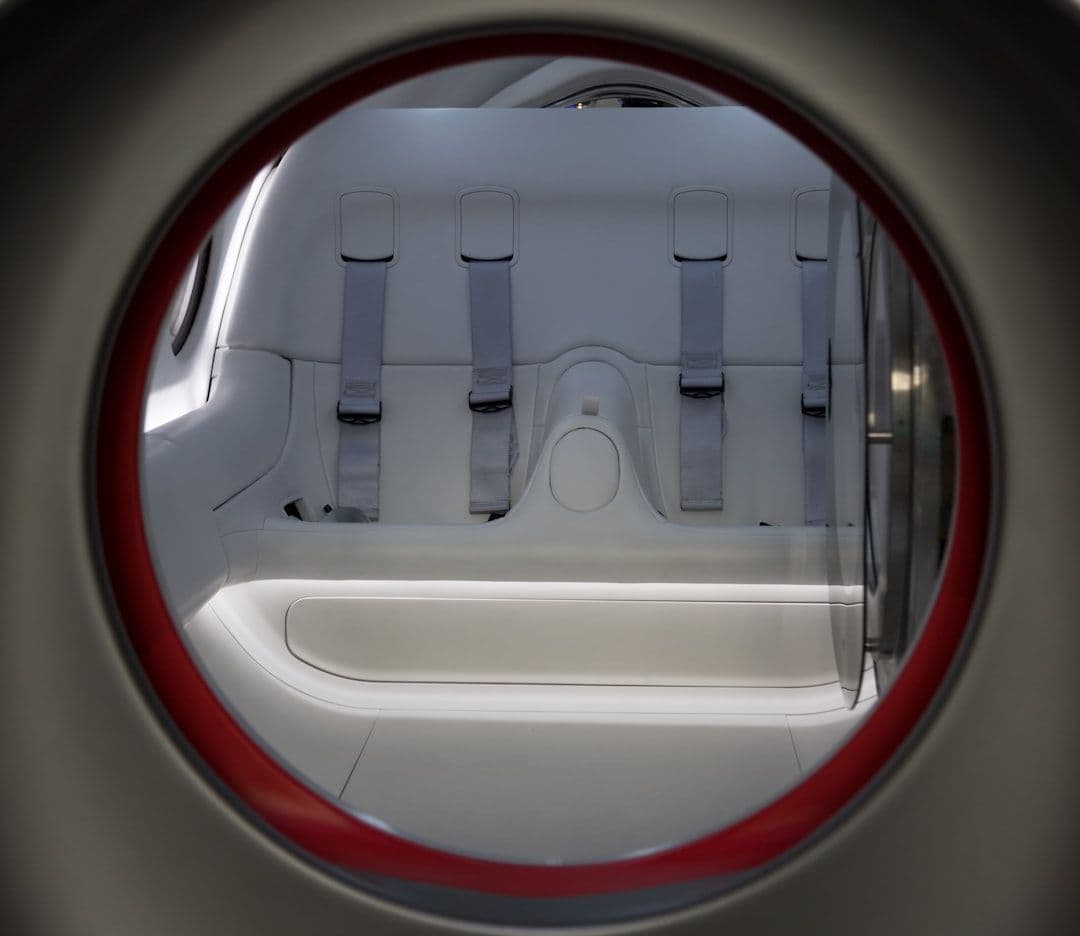
You'll enter either a clear acrylic tube (monoplace chamber) or a larger room-sized chamber (multiplace). In monoplace chambers, you lie on a padded gurney that slides into the transparent cylinder. The technician operates controls from outside, maintaining visual and audio contact throughout. Multiplace chambers accommodate several patients and a technician inside.
Pressurisation begins gradually over 10-15 minutes. You'll feel your ears 'popping' as pressure increases—similar to descending in an aircraft but more pronounced. The technician will teach you equalisation techniques: swallowing, yawning, or gently blowing against closed nostrils. Clear communication is essential; signal immediately if you experience ear pain or difficulty equalising.
Once at treatment pressure (typically 2.0-2.4 atmospheres), you'll breathe 100% oxygen through a mask or hood. The oxygen feels cool and slightly dry. Many people notice clearer thinking or mild euphoria—normal responses to increased brain oxygenation. Sessions at treatment pressure last 60-90 minutes, during which you can rest, listen to music, or watch television in multiplace chambers.
Decompression reverses the process, taking another 10-15 minutes. You may experience mild ear popping again as pressure normalises. The entire session, including compression and decompression, typically lasts 90-120 minutes.
During and After Your Session
Physical sensations vary considerably between individuals. Some people feel energised and mentally sharp during treatment, whilst others become drowsy from the relaxing environment. Mild claustrophobia is common in monoplace chambers initially, but most patients adapt within 2-3 sessions.
Ear discomfort is the most frequent side effect, ranging from mild pressure to temporary hearing changes. Proper equalisation prevents most problems, but inform your technician immediately of persistent ear pain. Some patients experience visual changes—temporary nearsightedness that resolves within weeks of completing treatment.
Immediately following treatment, you may feel light-headed for 10-15 minutes as your body readjusts to normal pressure and oxygen levels. This passes quickly with rest. Some people report increased appetite or mild fatigue, particularly after initial sessions as the body adapts to treatment.
Avoid alcohol for several hours post-treatment, as hyperoxygenation can alter how your body processes substances. Stay well-hydrated and eat normally unless otherwise advised by your medical team.
Post-Treatment Care and Expectations
Resume normal activities immediately after treatment unless specifically advised otherwise. However, avoid flying or significant altitude changes for 12-24 hours, as residual nitrogen in tissues needs time to normalise.
For wound healing applications, improvement typically becomes apparent after 10-15 sessions, with continued progress throughout the full course. Radiation injury recovery may take longer to manifest, sometimes appearing weeks after treatment completion as new blood vessel formation continues.
Monitor your ears for persistent discomfort or hearing changes. Mild congestion is normal, but significant pain or hearing loss requires immediate medical attention. Some patients develop temporary dental pain if they have untreated cavities or recent dental work—the pressure changes can affect air trapped in teeth.
Maintain your regular medications unless specifically modified by your medical team. HBOT can affect blood glucose levels in diabetics, so monitor more frequently if applicable.
Treatment Courses and Long-Term Planning
Standard treatment protocols range from 20-40 sessions over 4-8 weeks, depending on your condition. Acute conditions like decompression sickness may require only 3-5 sessions, whilst chronic wounds often need 30+ treatments. Sessions are typically scheduled 5 days weekly, allowing weekends for tissue recovery.
Progress monitoring varies by condition. Wound measurements, photographs, and clinical assessments track healing progress. For radiation injury, symptoms like pain reduction and improved tissue quality guide treatment decisions. Your medical team may adjust session frequency or pressure levels based on your response.
Some patients require maintenance sessions after completing initial treatment, particularly for complex wounds or when addressing off-label conditions. However, evidence for maintenance protocols is limited, and treatment decisions should be based on measurable clinical improvement rather than subjective feelings of benefit.
Cost considerations are significant, as insurance coverage varies widely depending on your specific diagnosis and local policies. NICE-approved indications typically receive better coverage than experimental applications.