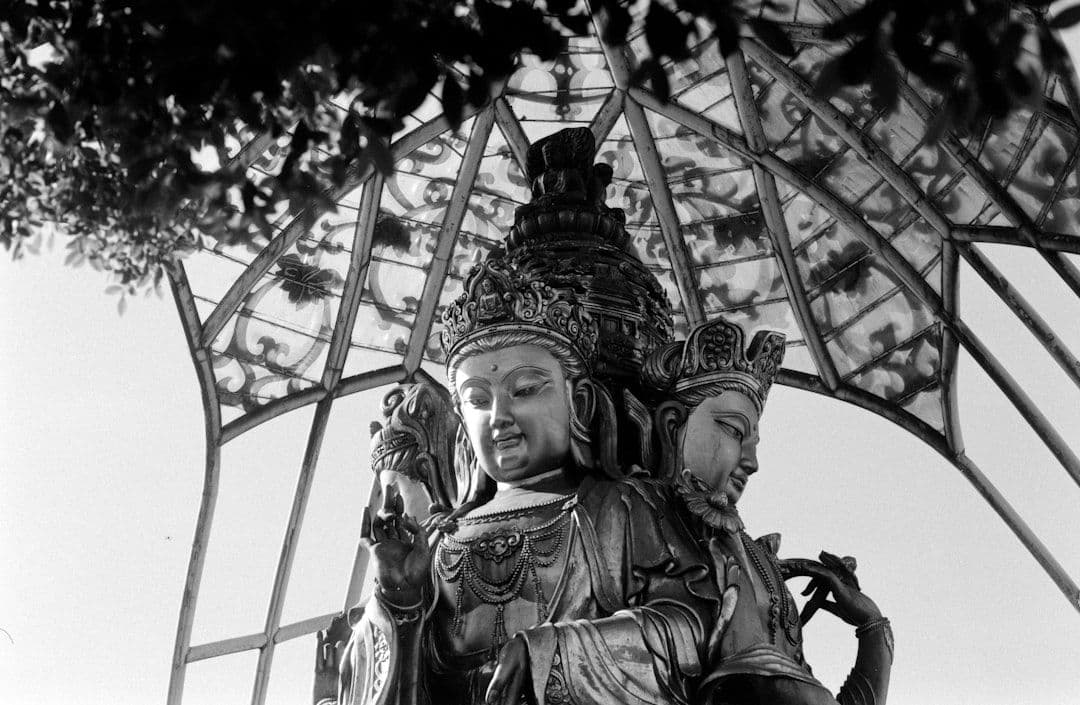
What Is Inner Wisdom Practice?
Picture yourself sitting quietly with a journal, pen poised over blank paper, waiting for something deeper than your everyday thoughts to emerge. Inner Wisdom practice centres on this kind of contemplative listening—using structured techniques to access what practitioners describe as your innate guidance system.
The practice involves specific methods: meditation sessions designed to quiet mental chatter, reflective journaling that moves beyond surface thoughts, and what practitioners call "intuitive listening"—paying attention to subtle internal signals, feelings, or insights that arise in stillness. Unlike therapy or counselling, there's no external interpretation. You are both practitioner and recipient.
Practitioners understand Inner Wisdom as accessing knowledge you already possess rather than developing new abilities. The assumption is that clarity and insight exist beneath the constant stream of conscious thought, requiring only sustained attention and mental stillness to surface them.
Roots in Contemplative Traditions
Inner Wisdom practice draws from multiple contemplative traditions that have long emphasised the value of internal knowing. Buddhist vipassana meditation speaks of insight arising naturally in stillness. Christian contemplative prayer traditions describe listening for divine guidance within. Indigenous cultures worldwide have practices for accessing inner knowing through solitude and reflection.
The contemporary form emerged in the late 20th century as these ancient approaches intersected with humanistic psychology and personal development movements. Writers like Julia Cameron popularised structured practices like "morning pages"—stream-of-consciousness journaling designed to access deeper thoughts. Carl Jung's concept of individuation and the collective unconscious provided psychological frameworks for understanding inner guidance.
Today's Inner Wisdom practice synthesises these influences into accessible techniques that don't require adherence to specific religious or philosophical systems. The focus has shifted from spiritual transformation to practical application—using contemplative methods for decision-making, creative problem-solving, and personal direction.
How Inner Wisdom Works
Within the practice's own framework, Inner Wisdom operates on the principle that your deeper knowing exists beneath the surface of conscious thought. Practitioners understand the constant mental commentary—planning, worrying, analysing—as a kind of interference that obscures clearer perception. The techniques are designed to create space between you and this mental noise.
Meditation practices typically involve focusing attention on breath, bodily sensations, or a simple phrase while allowing thoughts to settle. Journaling exercises might begin with specific prompts—"What do I most need to know right now?"—then involve writing without censoring or editing. Intuitive listening sessions focus on physical sensations, emotional shifts, or images that arise when contemplating particular questions or decisions.
From a biomedical perspective, these practices activate what neuroscientists call the default mode network—brain regions associated with self-referential thinking and introspection. Regular meditation has been shown to strengthen areas linked to attention regulation and emotional awareness. Whether this translates to better decision-making or clearer insight remains a matter of individual interpretation and cannot be measured objectively.
Who Explores Inner Wisdom Practice?
People often turn to Inner Wisdom practices during life transitions—career changes, relationship decisions, or periods of uncertainty where logical analysis feels insufficient. Those who describe themselves as "overthinkers" may find value in techniques that bypass analytical loops and access different kinds of knowing.
Individuals interested in developing their intuitive capacity alongside rational decision-making frequently explore these practices. This includes creative professionals seeking inspiration, entrepreneurs navigating complex choices, or parents wanting to trust their instincts more fully. The practice appeals particularly to those who sense they have internal wisdom but struggle to access it amid daily mental noise.
People drawn to self-directed approaches rather than externally guided processes often resonate with Inner Wisdom work. Unlike modalities where practitioners provide interpretations or recommendations, this practice emphasises your own capacity to discover insights and direction.
A Typical Inner Wisdom Session
Sessions typically begin with some form of settling practice—perhaps five to ten minutes of breath-focused meditation or body awareness exercises. The goal is to shift from the day's mental activity into a more receptive state of attention.
The journaling portion might involve specific prompts related to current questions or challenges: "What wants my attention right now?" or "What would serve my highest good in this situation?" You write continuously for a set period—often 10-20 minutes—without stopping to edit or judge what emerges. Many practitioners notice that initial responses give way to deeper or unexpected insights as the process continues.
Some sessions include what practitioners call "body wisdom" work—sitting quietly with a particular decision or question while noticing physical sensations, emotional responses, or mental images that arise. The emphasis is on receiving rather than forcing, allowing whatever emerges to be present without immediate interpretation.
Sessions typically conclude with a brief integration period—perhaps reading through journal entries or sitting with any insights that emerged. The focus is on recognition rather than analysis, trusting that understanding will deepen over time.
Finding Qualified Practitioners
Inner Wisdom practice can be largely self-directed, though some people prefer initial guidance or ongoing support. Practitioners may come from backgrounds in meditation instruction, life coaching, or spiritual direction. Look for those who emphasise your own capacity for insight rather than positioning themselves as sources of wisdom or interpretation.
Session fees typically range from £40-80 for individual guidance, with self-directed workshops or courses ranging from £100-300. Many practitioners offer initial consultations to determine whether their approach aligns with your interests and goals.
When selecting a practitioner, consider their training background and approach to the work. Those with meditation teaching qualifications through organisations like the British Buddhist Centre or Mindfulness in Schools Project may offer solid foundational skills. Spiritual direction training through institutions like Sarum College provides frameworks for supporting others' inner exploration.
The most important qualification is the practitioner's ability to hold space for your own discovery process while maintaining clear boundaries about their role. They should emphasise your capacity for wisdom rather than positioning themselves as authorities on your inner life.