The Jamu Seller's Morning Round
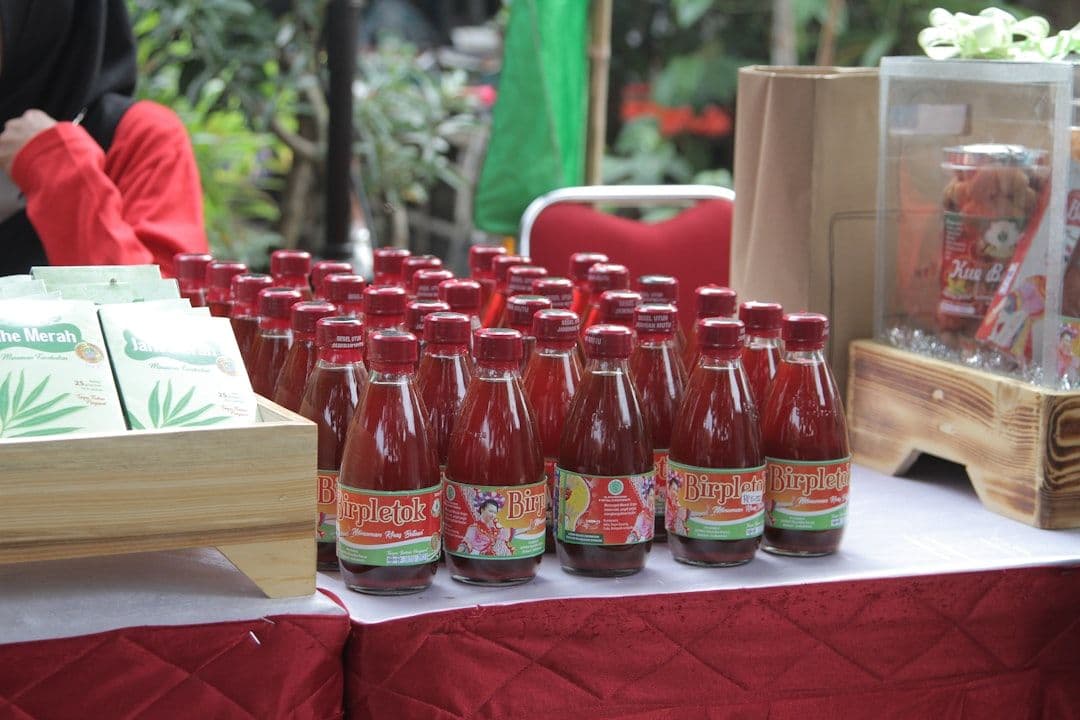
At dawn in Jakarta's residential streets, you might encounter a woman carrying glass bottles filled with golden, amber, and deep brown liquids. This is the jamu gendong seller, continuing a tradition that stretches back over a millennium. She pounds fresh turmeric root, grinds galangal, and mixes tamarind water in combinations her grandmother taught her, preparing tonics that millions of Indonesians drink daily for health maintenance.
Jamu — pronounced 'jah-moo' — is Indonesia's traditional herbal medicine system, encompassing the preparation and use of plant-based remedies across the vast archipelago. Unlike many traditional medicine systems that have become largely historical, jamu remains vibrantly alive, practised by over 270 million people who integrate these botanical preparations into modern daily life.
The word itself comes from the Javanese 'jampi usodo', meaning healing prayer or incantation, reflecting the spiritual dimension that has always accompanied the physical preparation of remedies. Today's jamu bridges ancient village wisdom with contemporary Indonesian life, from street vendors to modern wellness centres to pharmaceutical companies producing standardised extracts.
Roots in the Spice Islands
Jamu emerged from the botanical richness of the Indonesian archipelago, where tropical islands provided an extraordinary pharmacy of medicinal plants. Historical records from the Majapahit Kingdom (13th-16th centuries) document sophisticated herbal preparations, while palm-leaf manuscripts from Java detail hundreds of formulations that remain recognisable today.
The system developed through the convergence of indigenous Austronesian plant knowledge, Ayurvedic principles brought by Indian traders, and Chinese medicinal concepts that arrived with merchant communities. This cultural synthesis created something uniquely Indonesian — a medicine system perfectly adapted to tropical conditions and local botanical resources.
Central to jamu's development was the institution of the 'jamu lady' or traditional herbalist, typically women who accumulated knowledge through family lineages and community practice. These practitioners understood which plants grew in specific microclimates, how seasonal changes affected potency, and which combinations worked best for different constitutional types. This empirical knowledge base, refined across generations, forms jamu's foundation.
The Art of Herbal Balance
Within the jamu framework, health represents a dynamic balance between the body's 'hot' (panas) and 'cold' (dingin) energies, influenced by diet, activity, environment, climate, and emotional state. Practitioners assess individual constitution, current imbalances, and specific health concerns before selecting appropriate botanical combinations.
The core ingredients reveal this balancing approach. Turmeric (kunyit), the golden foundation of most formulations, is considered cooling and anti-inflammatory. Ginger (jahe) provides warming, digestive support. Tamarind (asam) offers cooling, detoxifying properties. Galangal (lengkuas) brings warming circulation enhancement. Betel leaf (piper betle) contributes antimicrobial protection.
Preparation methods themselves reflect therapeutic principles. Fresh ingredients are preferred over dried, maintaining vital energy. Grinding by hand or traditional tools is believed to preserve potency better than mechanical processing. Timing matters — many practitioners prepare formulations at specific times of day, considering the energetic qualities of different hours.
From a biomedical perspective, these traditional combinations often demonstrate sophisticated understanding of plant chemistry. Turmeric's curcumin requires piperine (found in black pepper often added to formulations) for optimal absorption. Ginger's gingerols work synergistically with galangal's galangin compounds for enhanced digestive effects.
Who Seeks Jamu's Support
Traditionally, jamu serves the entire lifecycle, from pregnant women seeking safe tonics to elderly people maintaining vitality. Specific formulations address women's health concerns — menstrual regulation, postpartum recovery, and menopausal support feature prominently in classical texts.
Digestive health represents another cornerstone of jamu practice. The tropical climate and rich Indonesian diet benefit from bitter, cooling herbs that support liver function and ease digestive heat. People experiencing sluggish digestion, occasional nausea, or dietary indulgences often turn to formulations featuring tamarind, turmeric, and aromatic roots.
Those dealing with joint discomfort or inflammatory conditions may find value in jamu's approach to cooling internal heat while supporting circulation. The combination of turmeric, ginger, and other anti-inflammatory botanicals addresses both acute discomfort and long-term tissue health.
People interested in daily wellness maintenance, rather than crisis intervention, often appreciate jamu's preventive philosophy. Regular consumption of mild formulations supports ongoing balance rather than addressing acute illness.
Experiencing Traditional Preparation
A visit to a traditional jamu practitioner begins with conversation about your current health, energy levels, sleep quality, digestion, and emotional state. Experienced practitioners observe your complexion, tongue, and general vitality to assess constitutional patterns and current imbalances.
The preparation itself offers a multisensory experience. Fresh roots are washed, peeled, and ground on a stone grinding platform called a 'cobek'. The rhythmic sound of pestle against stone, the release of aromatic oils, and the gradual transformation of separate ingredients into unified paste engages all the senses.
Timing varies by formulation type. Simple liquid tonics might be prepared fresh for immediate consumption. Complex decoctions require gentle simmering for specific durations. Paste preparations undergo extended grinding to achieve proper consistency and potency.
The drinking experience itself carries significance. Many formulations taste intensely earthy, bitter, or spicy — flavours considered therapeutic rather than pleasant. Taking jamu mindfully, acknowledging its botanical origins and preparation effort, forms part of the healing process.
Cultural Knowledge and Modern Practice
Jamu operates within its own sophisticated knowledge system, developed through centuries of empirical observation and cultural practice. Rather than requiring Western scientific validation, it represents a parallel approach to understanding health and botanical therapeutics.
Traditional practitioners demonstrate deep understanding of plant identification, seasonal variations in potency, sustainable harvesting practices, and complex constitutional assessment. This knowledge integrates botanical expertise with cultural wisdom about human health patterns in tropical environments.
Modern Indonesia has witnessed jamu's evolution from purely traditional practice to include pharmaceutical standardisation and clinical research initiatives. Government programmes document traditional formulations while supporting quality control in commercial production. Some ingredients like turmeric and ginger have attracted significant biomedical research, though this represents individual components rather than traditional combinations.
The practice maintains its cultural authenticity while adapting to contemporary life. Urban practitioners might source ingredients from specialty markets rather than home gardens, but preparation principles and constitutional assessment remain unchanged.
Finding Authentic Practice
Locating qualified jamu practitioners requires understanding the different levels of training and expertise. Traditional herbalists (often called 'dukun jamu') typically learned through family transmission or apprenticeship, developing deep knowledge of local plants and constitutional assessment.
In Indonesia, the Ministry of Health recognises jamu through various certification programmes. The Indonesian Traditional Medicine Association (PDHMI) maintains practitioner directories and training standards. However, much authentic practice occurs through community networks rather than formal certification systems.
Sessions typically cost between £15-40 for consultation and immediate preparation, though this varies significantly by practitioner expertise and location. Traditional jamu sellers offering standard formulations charge much less — often under £2 per serving.
Outside Indonesia, finding authentic jamu practice proves more challenging. Some Indonesian cultural centres or wellness practitioners with specific training offer modified approaches. Online suppliers provide pre-prepared formulations, though these lack the constitutional assessment and fresh preparation that characterise traditional practice.
When seeking jamu guidance, look for practitioners who demonstrate knowledge of Indonesian botanical traditions, understanding of constitutional assessment principles, and respect for the cultural context of this healing system.