Before You Arrive
Wear comfortable, stretchy clothing that allows full range of movement—you'll be moving through dynamic sequences that include inversions and arm balances. Avoid eating heavily for at least two hours beforehand, though a light snack an hour prior is fine if needed.
Bring your own yoga mat if you have one, though most studios provide them. Many practitioners bring a notebook, as teachers often share Sanskrit terms and philosophical concepts you might want to remember. Arrive 10-15 minutes early to settle in and inform the teacher of any injuries or concerns.
Expected to encounter Sanskrit chanting and spiritual teachings, even if you're new to yoga philosophy. Jivamukti teachers assume students are open to exploring the traditional roots of yoga, not just the physical postures. Come with an open mind rather than expectations based on other yoga styles you may have tried.
The Session Flow
Classes typically begin with a centering practice involving Sanskrit chanting—often the opening invocation "Om" followed by traditional mantras. Don't worry if you don't know the words; listening is perfectly acceptable initially. This opening usually lasts 5-10 minutes and includes setting an intention or theme for the practice.
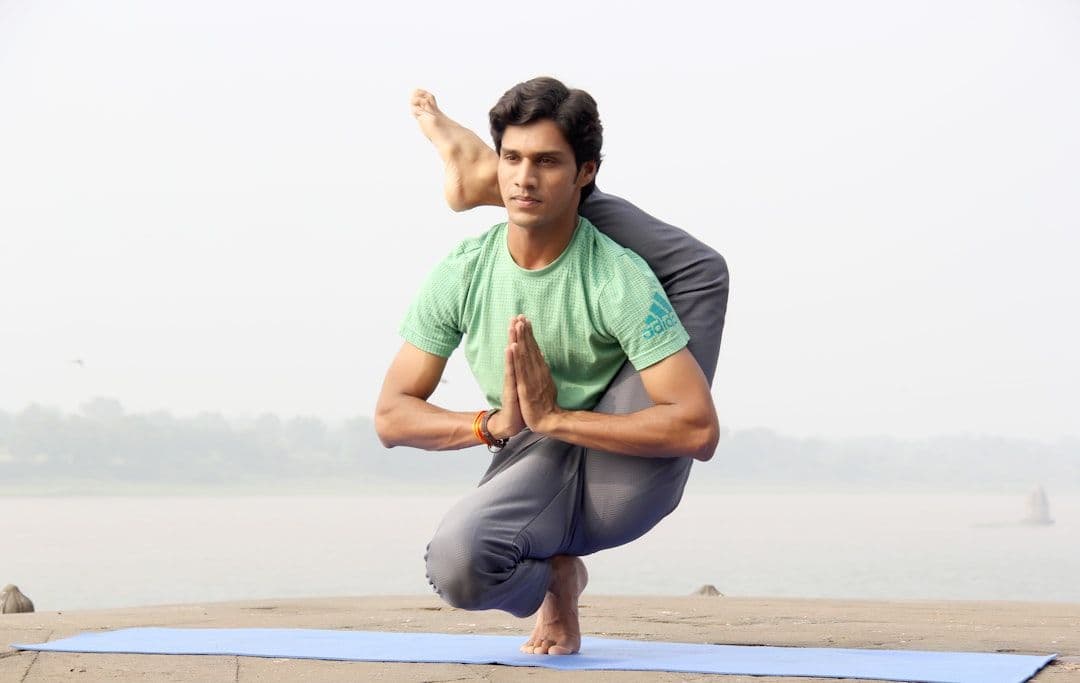
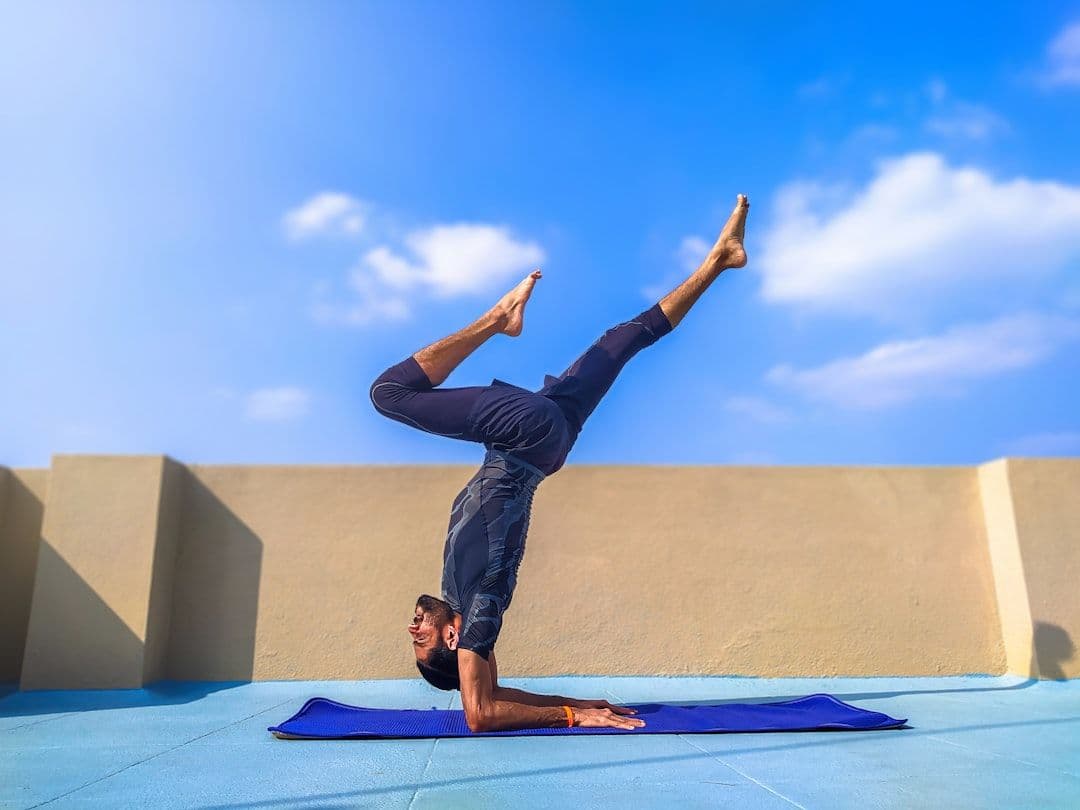
The physical practice begins with breath awareness and gentle warm-up movements, gradually building into flowing sequences called vinyasas. Expect a mix of standing poses, seated postures, backbends, and inversions, often performed to carefully curated music that might include anything from traditional kirtan to contemporary artists. The sequences can be quite demanding—arm balances and challenging transitions are common.
Throughout the 60-75 minute physical practice, teachers weave in yoga philosophy, Sanskrit terminology, and ethical teachings. You might hear discussions about ahimsa (non-violence), dharma (life purpose), or the yoga sutras whilst holding a challenging pose. The session concludes with relaxation (savasana) and often ends with chanting, bringing the practice full circle.
What You Might Experience
Physically, expect to work hard. Jivamukti sequences can be quite vigorous, and you'll likely feel your muscles working, especially in your arms, core, and legs. The continuous flow means your heart rate will rise, and you'll probably sweat. Some poses may feel challenging or unfamiliar, particularly if you're newer to yoga.
The combination of physical exertion with chanting and philosophical teachings can feel overwhelming initially. Many students report feeling emotionally moved by the chanting, even if they don't understand the Sanskrit. Others find the intellectual component—learning about yoga philosophy whilst trying to balance in crow pose—mentally stimulating but demanding.
After class, people commonly report feeling both physically tired and energetically uplifted. The spiritual components often leave practitioners feeling contemplative or inspired to explore yoga philosophy further. Some feel a sense of community connection, as Jivamukti emphasises the collective rather than individual achievement.
After Your Session
Allow time to transition slowly back into your day. Many practitioners find it helpful to maintain the contemplative mood for a while rather than immediately rushing into other activities. Drink plenty of water, as the vigorous practice can be dehydrating.
You might feel physically tired or energised—both are normal responses. Some people experience emotional shifts in the hours following class, particularly if the philosophical teachings resonated strongly. This is considered part of the traditional understanding of yoga as a transformative practice.
Avoid heavy meals immediately after class, but do eat something nourishing within a couple of hours. Many students find they sleep particularly well after evening Jivamukti classes, though some feel too energised for immediate rest after morning sessions.
Building Your Practice
Jivamukti is designed as an ongoing practice rather than a quick fix. Most teachers suggest attending regularly for at least 2-3 months to become familiar with the philosophical concepts and physical sequences. The integration of multiple elements—poses, breathing, chanting, philosophy—takes time to feel natural.
Many studios offer beginner-focused classes that move more slowly through the concepts, though even these assume some yoga experience. Monthly workshops often focus on specific aspects like chanting or philosophy, which can deepen your understanding between regular classes.
Consistency matters more than frequency. Attending once weekly for several months will give you a better sense of whether Jivamukti resonates with you than sporadic intensive periods. The practice is cumulative—physical strength builds alongside familiarity with Sanskrit terms and philosophical concepts.