Before You Arrive
Avoid heavy meals for two to three hours before your session—the intense breathwork and movement can cause nausea on a full stomach. Wear loose, comfortable clothing in natural fabrics that won't restrict your breathing or movement. White clothing is traditional in some schools but not essential.
Bring a yoga mat if the studio doesn't provide them, plus a blanket for the meditation portions when your body temperature may drop. A water bottle is useful, though you'll likely drink sparingly during the practice itself.
Arrive mentally prepared for an intense experience. Some practitioners recommend setting an intention beforehand, whilst others prefer to approach the session with open curiosity. Avoid stimulants like caffeine if possible, as your nervous system will already be highly activated during the practice.
The Session Structure
Most Kundalini sessions follow a traditional sequence lasting 60 to 90 minutes. You'll begin seated in a cross-legged position whilst the instructor guides you through tuning-in chants, typically the Adi Mantra "Ong Namo Guru Dev Namo," repeated three times to connect with the lineage and your inner wisdom.
The main kriya (complete exercise set) forms the heart of the practice. This might involve rapid arm movements combined with breath of fire (rapid diaphragmatic breathing), specific yoga postures held whilst chanting, or dynamic spinal movements. Each kriya targets different energy centres and can last 15 to 45 minutes. The intensity often builds gradually, with some segments requiring sustained effort that may feel challenging.
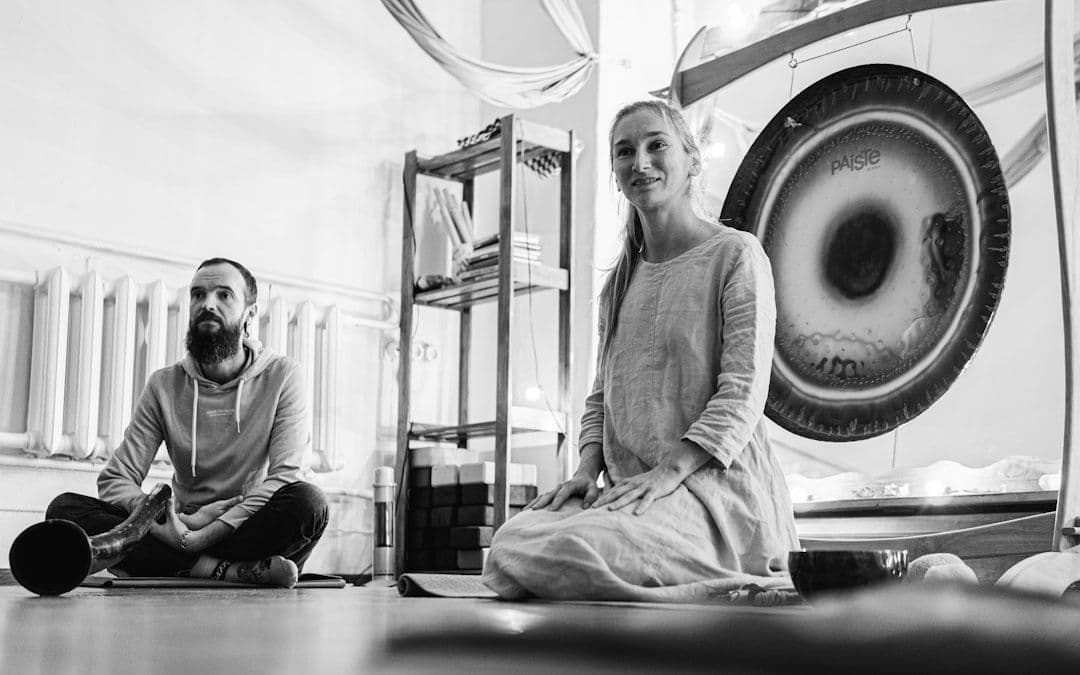
A relaxation period follows, where you lie flat whilst the instructor may play gongs or singing bowls. This integration phase typically lasts 10 to 15 minutes. The session concludes with seated meditation, often incorporating specific hand positions (mudras) and mantras, before a final blessing song closes the practice.
What You Might Experience
Physical sensations during Kundalini practice vary dramatically between individuals. Many report tingling along the spine, waves of heat or cold, or a sense of energy moving upwards through the body. Some experience involuntary movements—trembling, swaying, or spontaneous gestures. These responses are considered normal within the tradition.
Emotionally, you might encounter unexpected feelings surfacing during or after practice. Tears, laughter, or intense emotions can arise as the practice is believed to release stored tensions. Some practitioners report altered states of consciousness—vivid imagery, profound peace, or heightened awareness.
Not everyone experiences dramatic effects immediately. Some notice subtle shifts in clarity or calmness that become apparent over several sessions. Others report feeling "buzzed" or energised for hours afterwards, whilst some feel deeply relaxed. Headaches or fatigue occasionally occur, particularly when starting this practice.
After Your Session
Plan for quiet time immediately following your session. The energetic effects often continue for several hours, so avoid demanding activities or important decisions. Drink plenty of water and eat light, nourishing foods—your digestion may feel sensitive.
Some practitioners experience vivid dreams or disrupted sleep patterns after their first few sessions. Others report emotional processing continuing for days. Gentle activities like walking in nature, journaling, or warm baths can support integration.
Avoid alcohol or recreational substances for 24 hours, as your nervous system remains heightened. If you feel overstimulated, grounding activities—such as spending time outdoors or eating root vegetables—may help balance your energy.
Note any shifts in your mood, energy levels, or life perspective over the following week. These subtle changes often indicate how the practice affects you personally.
Building a Practice
Kundalini is traditionally practised consistently rather than occasionally. Many teachers recommend starting with weekly sessions for at least six to eight weeks to establish familiarity with the techniques and observe cumulative effects.
Daily practice, even for short periods, is highly valued in this tradition. Many students begin with 10 to 15 minutes of morning practice using techniques learned in class. The 40-day commitment is particularly significant—practitioners often choose one kriya or meditation to repeat daily for this period.
As your nervous system adapts to the intensity, you may choose longer sessions or more advanced practices. Some dedicated practitioners eventually attend intensive workshops or teacher training programmes. However, the practice should feel sustainable rather than overwhelming—forcing the process contradicts the tradition's emphasis on allowing natural unfoldment of awareness.