Preparing for Your First Midwifery Appointment
Your initial consultation will last 60 to 90 minutes, significantly longer than typical GP appointments. Come prepared with your complete medical history, including any previous pregnancies, surgeries, medications, and family health conditions. Bring your partner if you wish — midwives encourage involvement of birth partners from early pregnancy.
Wear comfortable clothing that allows easy access for physical examinations. You'll likely have blood pressure checks and possibly blood tests, so consider wearing something with sleeves that roll up easily. Bring a notebook or use your phone to jot down questions beforehand — pregnancy brings many concerns, and it's easy to forget what you wanted to ask once you're there.
Avoid eating a large meal beforehand if blood tests are planned, though complete fasting isn't usually necessary. Check with your midwife's practice about their specific requirements when you book.
What Happens During Antenatal Appointments
Your first appointment focuses heavily on relationship building. Your midwife will take a detailed health and social history, discussing everything from your menstrual cycle to your birth preferences, living situation, and any concerns about pregnancy or parenthood. This isn't just medical box-ticking — midwives use this time to understand you as a person.
Physical examinations vary by appointment but typically include blood pressure monitoring, urine testing, and measuring your growing bump. You'll hear your baby's heartbeat using a handheld Doppler device — a magical moment for many parents. Blood tests check for conditions like anaemia, diabetes, and infections. Your midwife explains each test and why it's recommended, respecting your right to decline.
As pregnancy progresses, appointments shift focus. Early visits emphasise health optimisation and education. Middle appointments monitor growth and screen for complications. Later visits prepare for labour, discussing birth plans, pain relief options, and what to expect. Your midwife adapts each consultation to your specific needs and concerns.
Appointments typically last 30 to 45 minutes, with frequency increasing as your due date approaches — monthly until 28 weeks, fortnightly until 36 weeks, then weekly.
The Birth Experience with Your Midwife
When labour begins, you'll contact your midwife who provides guidance about when to meet. This might be at your home, birth centre, or hospital, depending on your chosen birth setting. Your midwife offers continuous support throughout labour — a key difference from medical models where care providers change shifts.
During labour, your midwife monitors both you and your baby's wellbeing whilst supporting your birth preferences. You'll experience intermittent fetal heart monitoring, position changes, and various comfort measures. Your midwife reads your labour's rhythm, knowing when to step back and when to offer active support.
The atmosphere feels calmer and more intimate than typical hospital births. Your midwife dims lights, speaks quietly, and maintains your privacy. She encourages your natural instincts whilst watching carefully for any signs that obstetric consultation might be needed.
After birth, your midwife conducts immediate newborn checks, assists with initial breastfeeding, and ensures your placenta delivers safely. She remains for several hours, monitoring your recovery and helping establish early bonding before ensuring you're comfortable and safe.
Postnatal Care and Recovery Support
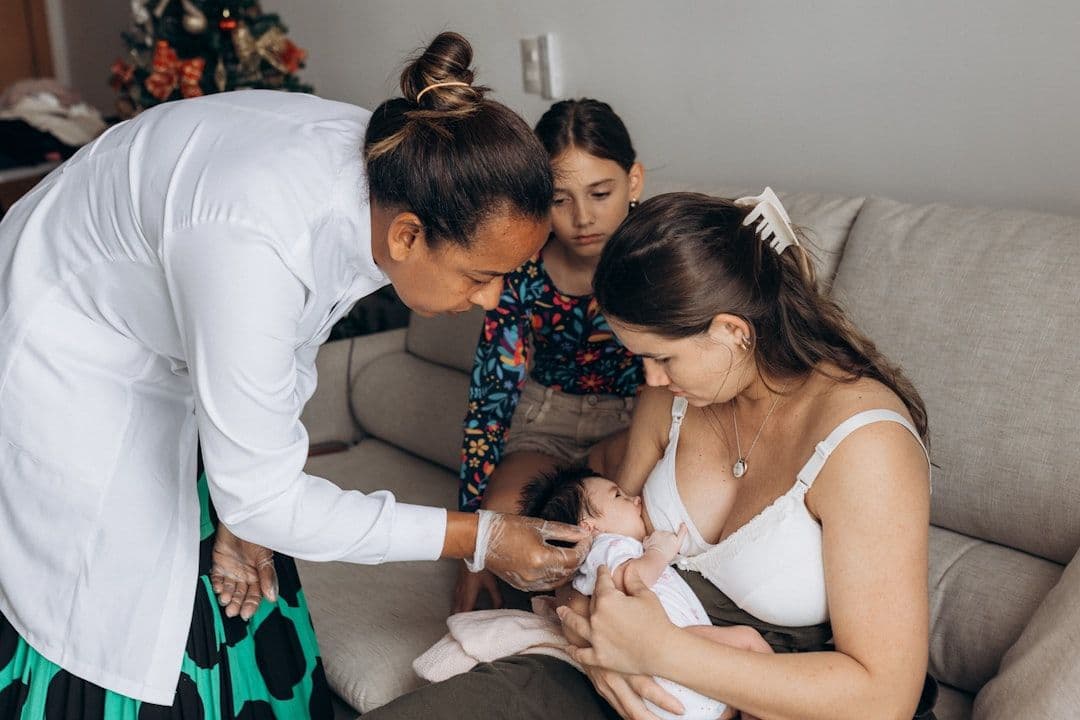
Your midwife visits within 24 hours of birth, either at home or in hospital. These early visits focus on your physical recovery, infant feeding support, and emotional wellbeing. She checks your healing, monitors for signs of infection or complications, and addresses any breastfeeding difficulties.
Expect daily visits for the first few days, then visits spaced further apart over six weeks. Your midwife weighs your baby, examines their cord healing, and watches for jaundice or feeding problems. She also monitors your mood, discussing the normal emotional ups and downs of new parenthood whilst remaining alert for postnatal depression.
Many women find these postnatal visits invaluable. Your midwife knows you and your pregnancy history, making her support feel personal and relevant. She answers endless questions about infant sleep, feeding, and development that feel too small for GP appointments but loom large in new parent anxiety.
Your midwife remains your primary care provider until transferring you back to your GP around six to eight weeks postpartum, ensuring smooth continuity of care.
The Complete Journey: From Booking to Discharge
Midwifery care typically begins around 8 to 12 weeks of pregnancy and continues until 6 to 8 weeks postpartum — approximately one year of relationship-based care. You'll attend 8 to 12 antenatal appointments, experience continuous labour support, and receive 5 to 10 postnatal visits.
The relationship evolves throughout this journey. Early appointments establish trust and gather information. Middle pregnancy visits monitor development and address concerns. Late pregnancy consultations prepare for birth and discuss contingency plans. Labour provides intensive, continuous support. Postnatal care focuses on recovery and adaptation to parenthood.
This continuity means your midwife knows your preferences, fears, and family dynamics. When labour begins, you're supported by someone who understands your birth plan and has guided your pregnancy journey. During the challenging early weeks with a newborn, your midwife provides expert support from someone who knows your story.
Many women describe midwifery care as transformative, citing the personalised attention, educational approach, and advocacy as key benefits. The model recognises pregnancy and birth as normal life events requiring support rather than medical problems requiring treatment.