Preparing for Your Appointment
Gather your current medications, including prescription drugs, over-the-counter remedies, and supplements - bring the actual containers if possible. Prepare a list of your symptoms, when they started, and what makes them better or worse. If you're transferring care, request your medical records in advance or sign release forms during scheduling.
Wear comfortable, easily removable clothing if physical examination is likely. Avoid heavy meals immediately beforehand, but don't fast unless specifically instructed. Arrive 10-15 minutes early to complete any remaining paperwork and settle in.
The Clinical Assessment Process
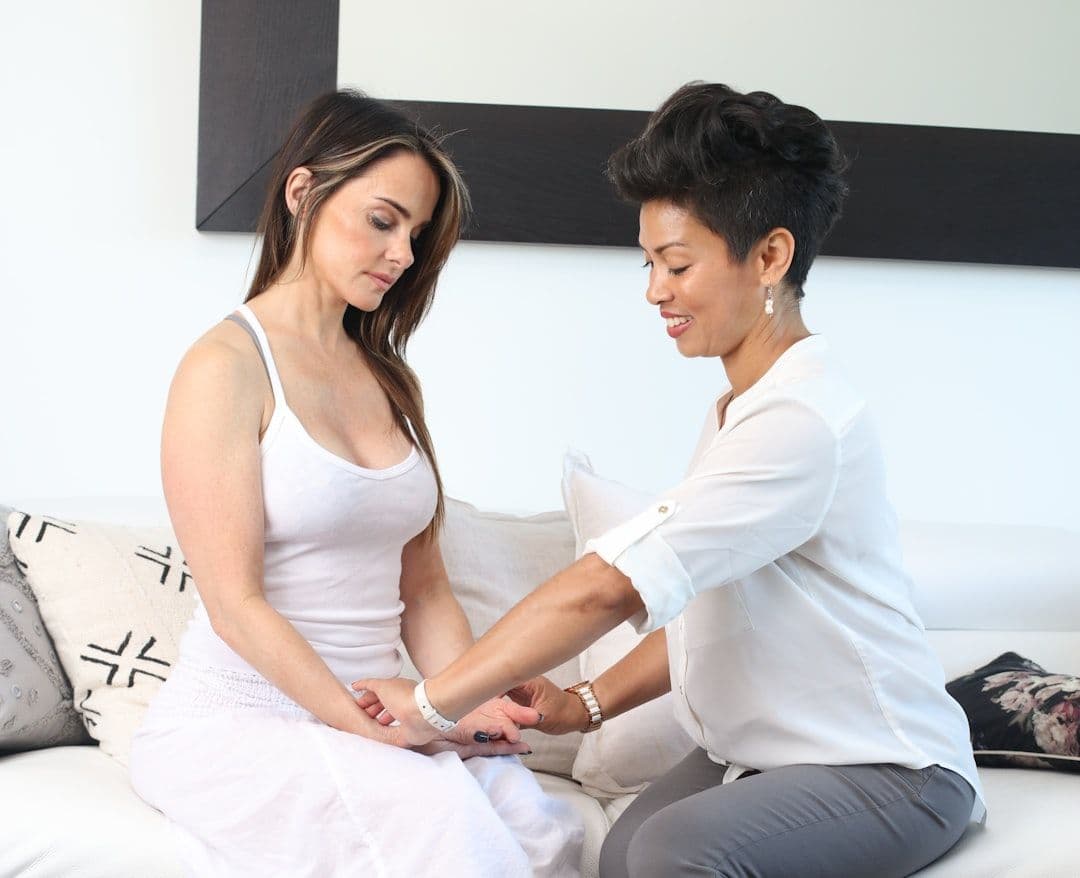
Your LNP begins with a comprehensive health history, asking detailed questions about your current concerns, medical background, family history, and lifestyle factors. This conversation feels more like a consultation than an interrogation - nurse practitioners typically allow more time than traditional medical appointments.
The physical examination follows, which might include vital signs, targeted body system checks, or comprehensive screening depending on your needs. Your LNP explains each step and what they're assessing. If you're uncomfortable with any aspect, speak up - good practitioners adjust their approach based on your preferences.
Laboratory tests or diagnostic procedures may be ordered during the visit. Some clinics offer point-of-care testing for immediate results, whilst others schedule follow-up appointments to discuss findings.
Treatment Planning and Education
Based on assessment findings, your LNP develops a personalised treatment plan. This often includes detailed patient education - nurse practitioners excel at explaining conditions in understandable terms and teaching self-management skills. You'll discuss medication options, lifestyle modifications, and when to seek additional care.
Prescriptions are written if needed, with clear instructions about timing, side effects, and monitoring requirements. Your LNP may demonstrate techniques like blood pressure monitoring or wound care, ensuring you're confident before leaving.
Many sessions conclude with written instructions or educational materials. Don't hesitate to ask questions - LNPs typically build extra time into appointments for thorough discussion.
After Your Session
Follow medication instructions precisely and note any side effects or concerns. Many LNPs provide contact information for non-urgent questions between appointments. If you received educational materials, review them at home when you can concentrate fully.
Track any symptoms or improvements as discussed during your visit. This documentation proves valuable for follow-up appointments and helps identify treatment effectiveness.
Laboratory results typically arrive within a few days to a week. Your LNP's office will contact you with findings and any necessary treatment adjustments. Some practices use patient portals for secure communication and results sharing.
Follow-up and Ongoing Care
Follow-up scheduling depends entirely on your condition and treatment plan. Acute issues may require review within days, whilst stable chronic conditions might need quarterly or annual monitoring. Preventive care often follows standard screening schedules.
Many people develop ongoing relationships with their LNP, particularly for chronic disease management or primary care. This continuity allows for nuanced understanding of your health patterns and preferences over time.
Between scheduled appointments, contact your LNP's office for new symptoms, medication concerns, or questions about your treatment plan. Most practices offer telephone consultations or secure messaging for non-urgent matters, reducing the need for unnecessary in-person visits.