Before You Arrive
Drink plenty of water in the hours before your appointment — hydration supports lymphatic flow. Eat lightly rather than arriving on an empty stomach, but avoid large meals within two hours of treatment.
Wear loose, comfortable clothing that's easy to remove. You'll typically undress to underwear, though some practitioners work through light clothing for certain areas. Bring a water bottle for afterwards.
Avoid alcohol, intense exercise, or saunas on the day of treatment, as these can affect circulation patterns. If you're menstruating, treatment can still proceed comfortably — the gentle nature of MLD rarely causes discomfort.
The Treatment Unfolds
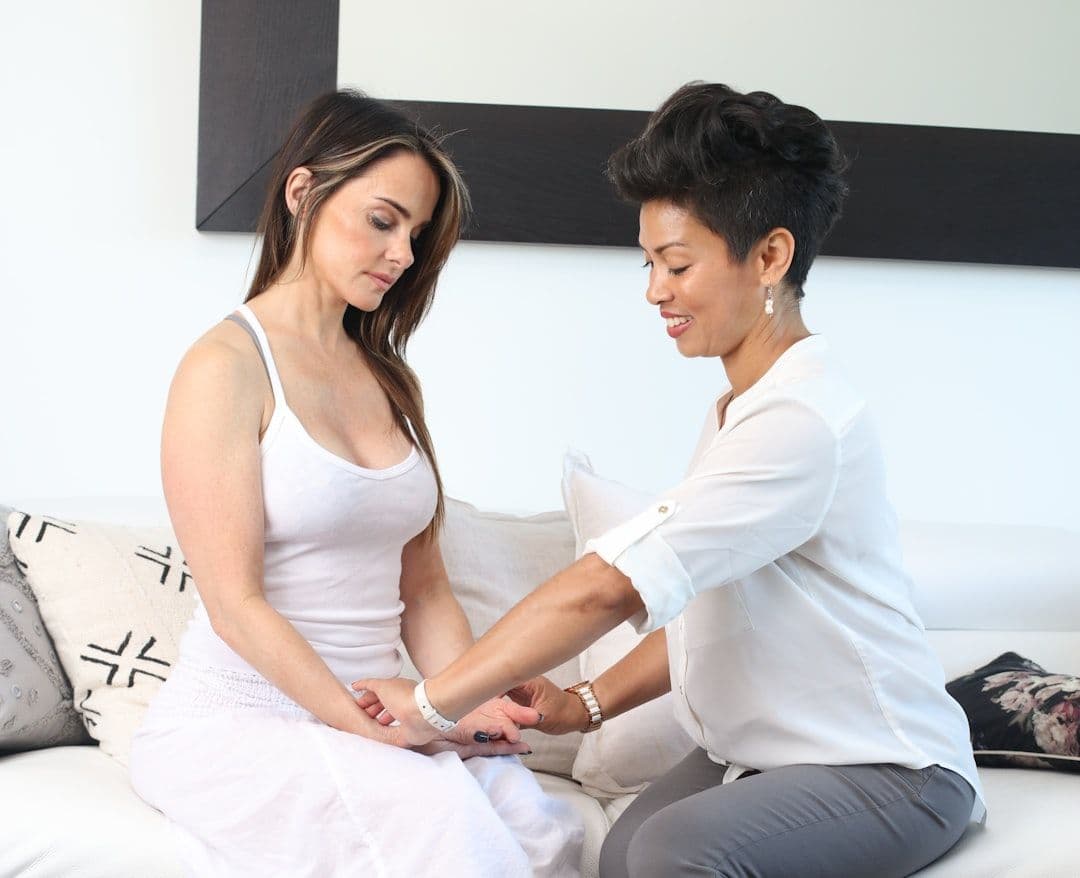
Your practitioner begins with a brief assessment, checking for any swelling patterns or areas of concern. They'll explain the sequence they plan to follow, always starting at your neck and working outwards — this "clears the pathway" for lymph to flow.
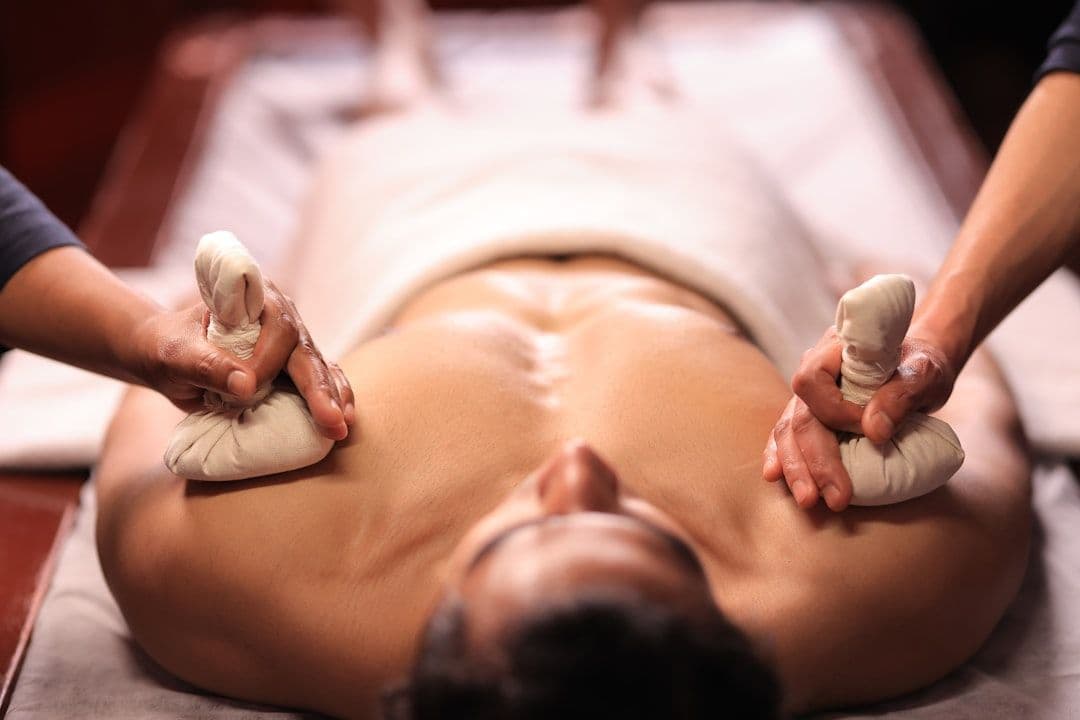
The session starts at the terminus — just above your collarbones — with incredibly light, rhythmic movements. The pressure feels like gentle skin stretching, far lighter than traditional massage. Many people describe it as barely perceptible, yet surprisingly soothing.
Each stroke follows a precise pattern: circular movements, pump techniques, rotary motions, and scoop strokes. Your practitioner's hands move in slow, deliberate sequences that follow your body's lymphatic pathways. The rhythm is hypnotic — typically one movement every 1-2 seconds.
A full-body session lasts 60-90 minutes. Targeted treatments (for an arm or leg) take 45-60 minutes. The room remains quiet except for gentle background music and the soft sound of movement on fabric.
Sensations During and After
During treatment, most people feel deeply relaxed. The gentle, repetitive movements often trigger the parasympathetic nervous system, leading to slower breathing and a meditative state. Some people fall asleep.
You might notice warmth in treated areas as circulation improves, or occasional gurgling sounds from your abdomen — this is normal lymphatic activity. A few people experience mild emotional release, as the relaxation response can sometimes surface stored tension.
Immediately after treatment, you may feel slightly lightheaded or deeply calm. This "lymphatic flush" feeling typically lasts 1-2 hours. Some people notice increased urination over the next 6-12 hours as the body processes mobilised fluids.
Swelling reduction becomes apparent within 24-48 hours, though some people notice changes immediately. Skin often feels softer and appears less puffy. Energy levels may improve gradually over several days.
Aftercare Essentials
Drink extra water for the rest of the day — aim for an additional 2-3 glasses beyond your usual intake. This supports the increased lymphatic activity triggered by treatment.
Avoid intense exercise for 24 hours. Gentle walking actually helps, but heavy lifting or vigorous workouts can overwhelm the lymphatic system while it's processing. Similarly, avoid alcohol, which can dehydrate and impede lymphatic function.
If you have compression garments for lymphoedema management, your practitioner will advise when to reapply them — usually within a few hours of treatment. Hot baths, saunas, or steam rooms are best avoided for 24 hours.
Some people feel tired the evening after treatment. This is your nervous system integrating the deep relaxation response. Gentle stretching, light meals, and early sleep support the process.
Treatment Courses and Frequency
For lymphoedema or significant swelling, practitioners typically recommend 6-10 initial sessions scheduled 2-3 times weekly. This intensive phase establishes improved lymphatic drainage patterns.
Post-surgical swelling usually responds well to 4-6 sessions over 2-3 weeks. For general wellness or immune support, monthly sessions often suffice once initial improvements are established.
Maintenance frequency depends entirely on your condition and response. Some people with chronic lymphoedema need weekly sessions long-term, whilst others maintain benefits with monthly treatments. Your practitioner will adjust the schedule based on how your body responds.
Improvement is rarely linear. You might notice significant changes after the third session, plateau briefly, then see further progress. This reflects the time needed for tissue adaptation and the lymphatic system's gradual improvement in efficiency.