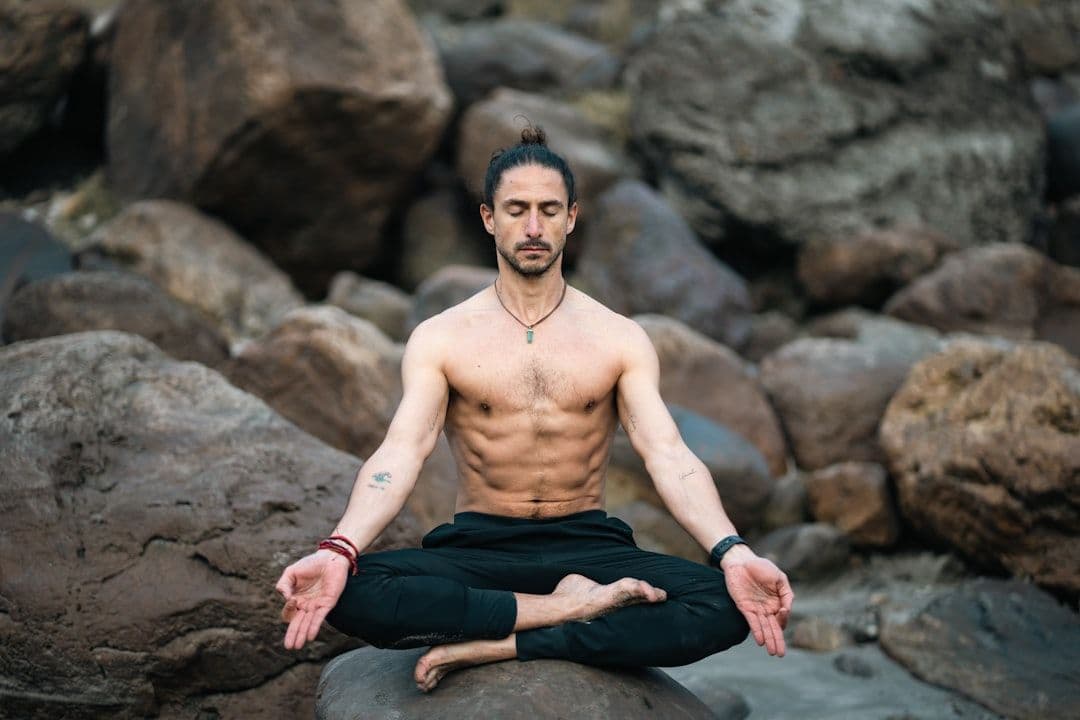
A Different Approach to Male Wellness
Walk into most health clinics, and you'll find protocols designed around population averages—but men's bodies don't follow population averages. From testosterone's impact on muscle mass and mood to the way stress manifests differently in male cardiovascular systems, men's health requires a fundamentally different lens.
Men's health as a complementary modality recognises these distinctions. Rather than applying generic wellness advice, practitioners assess the interconnected systems that drive male health: hormonal patterns that shift with age and stress, cardiovascular risks that emerge earlier than in women, and the particular ways men experience and express mental health challenges. The approach combines targeted nutritional protocols, exercise programming designed around male physiology, and stress management techniques that account for how testosterone and cortisol interact.
This isn't about masculine stereotypes—it's about biological realities. Men develop heart disease a decade earlier than women, experience depression differently, and face unique challenges around prostate health and sexual function. A men's health practitioner works within this framework to create personalised interventions that address these specific vulnerabilities whilst building on male physiological strengths.
From Sports Medicine to Personalised Protocols
The roots of targeted men's health stretch back to sports medicine and occupational health—fields that first recognised how male physiology responds differently to training, nutrition, and stress. As research expanded beyond elite athletes, practitioners began applying these insights to everyday male health challenges.
The field gained momentum in the 1990s as studies revealed significant sex differences in cardiovascular disease progression, stress hormone patterns, and nutritional needs. Researchers found that men metabolise fats and carbohydrates differently, build muscle mass through distinct pathways, and experience hormonal decline in ways that don't mirror female menopause patterns.
Today's men's health practitioners draw from exercise physiology, nutritional science, and endocrinology to create evidence-based protocols. The approach has evolved from simple testosterone replacement conversations to comprehensive lifestyle medicine that addresses the complex interplay between male hormones, cardiovascular health, mental wellbeing, and sexual function.
How Male Physiology Shapes Health Interventions
Men's health practitioners work from the understanding that male physiology creates specific health patterns requiring targeted interventions. Testosterone doesn't just affect sexual function—it influences muscle mass, bone density, mood regulation, and cardiovascular health. As levels decline with age and stress, practitioners address this through targeted nutrition, specific exercise protocols, and stress management techniques.
From a biomedical perspective, these interventions work by optimising the systems that support healthy testosterone production and utilisation. Certain nutrients like zinc and vitamin D play crucial roles in hormonal synthesis, whilst specific training methods can naturally boost testosterone levels. Sleep optimisation and stress reduction techniques help regulate cortisol, preventing it from interfering with healthy hormone balance.
Cardiovascular health receives particular attention since men develop heart disease earlier and often present with different symptoms than women. Practitioners may focus on reducing inflammation through specific dietary approaches, implementing heart-rate variability training for stress management, and creating exercise programmes that build cardiovascular resilience whilst supporting healthy blood pressure and cholesterol levels.
Who Benefits from Targeted Male Health Approaches
Men experiencing the gradual decline in energy and vitality that often begins in their thirties frequently find targeted approaches helpful. This might manifest as difficulty maintaining muscle mass, reduced motivation, changes in sexual function, or the feeling that previous diet and exercise strategies no longer work effectively.
Those with demanding careers or high-stress lifestyles often benefit significantly. Men's health practitioners understand how chronic stress affects testosterone production and cardiovascular health differently in men, creating tailored stress management and recovery protocols that fit within busy professional lives.
Men with family histories of heart disease, diabetes, or prostate conditions can particularly benefit from preventive approaches that address their specific risk factors. Rather than waiting for problems to emerge, practitioners work to optimise the physiological systems that protect against these common male health challenges.
What to Expect in Practice
Initial consultations typically involve comprehensive health history taking that goes beyond standard medical questionnaires. Practitioners often ask detailed questions about energy patterns throughout the day, sleep quality, stress levels, exercise responses, and sexual health—areas that standard healthcare sometimes glosses over.
Many practitioners utilise specific assessments like heart rate variability testing, body composition analysis, or basic hormone panels to establish baselines. The consultation feels more like working with a performance coach than attending a medical appointment—the focus is on optimising function rather than just addressing symptoms.
Follow-up programmes vary considerably but often include personalised nutrition protocols, structured exercise plans, and stress management techniques. Some practitioners offer group programmes for accountability and support, whilst others work exclusively one-to-one. The most effective approaches include regular monitoring and adjustment of protocols based on progress and changing life circumstances.
The Evidence Landscape
Research supports many targeted approaches to men's health, particularly around cardiovascular disease prevention and lifestyle interventions for healthy ageing. Studies consistently show that men respond differently to various dietary approaches, with some evidence suggesting better results from higher protein intakes and specific timing of nutrient intake around exercise.
The evidence for testosterone optimisation through lifestyle interventions is promising but mixed. Some studies demonstrate significant improvements in testosterone levels through targeted exercise protocols, stress reduction, and nutritional interventions, whilst others show more modest effects. The challenge lies in translating research done on specific populations to individual cases with varying baseline health status.
What remains less clear is the optimal standardisation of these approaches. Individual variation in response to interventions is significant, meaning what works effectively for one man may prove less helpful for another. The most honest practitioners acknowledge these limitations whilst working within evidence-based frameworks to maximise the likelihood of positive outcomes.
Finding the Right Practitioner
Men's health practitioners come from diverse backgrounds—nutritional therapy, exercise physiology, naturopathy, or functional medicine. Look for practitioners registered with CNHC or similar professional bodies who can demonstrate specific training in male health and hormone optimisation.
Expect to invest £80-150 for initial consultations, with follow-up sessions typically costing £60-100. Many practitioners offer package deals for ongoing support, which can range from £300-800 depending on the level of personalisation and support included.
The most effective practitioners combine evidence-based approaches with practical understanding of how interventions fit into real life. They should be able to explain their recommendations clearly, provide realistic timelines for seeing results, and work collaboratively with your GP when appropriate. Avoid anyone making dramatic promises about quick fixes or guaranteed outcomes—sustainable health improvements in this area typically take months to establish.