Preparing for Your Session
Wear comfortable, loose-fitting clothing that won't restrict your breathing or movement during awareness exercises. Many practitioners suggest avoiding heavy meals for two hours beforehand, as digestive processes can distract from subtle internal sensations you'll be exploring.
Bring a water bottle and perhaps a light blanket if you tend to feel cold when relaxed. Leave phones and devices in another room or switched off entirely — external notifications fragment the focused attention this work requires.
Consider keeping a brief note of any physical symptoms, recurring thoughts, or emotional patterns you've noticed recently. This information helps practitioners tailor exercises to your specific mind-body patterns, though don't worry if you haven't tracked anything formally.
The Session Journey
Most sessions begin with a 10-minute conversation about your current state — how you're feeling physically, mentally, and emotionally today. Your practitioner observes your posture, breathing pattern, and energy levels to inform their approach.
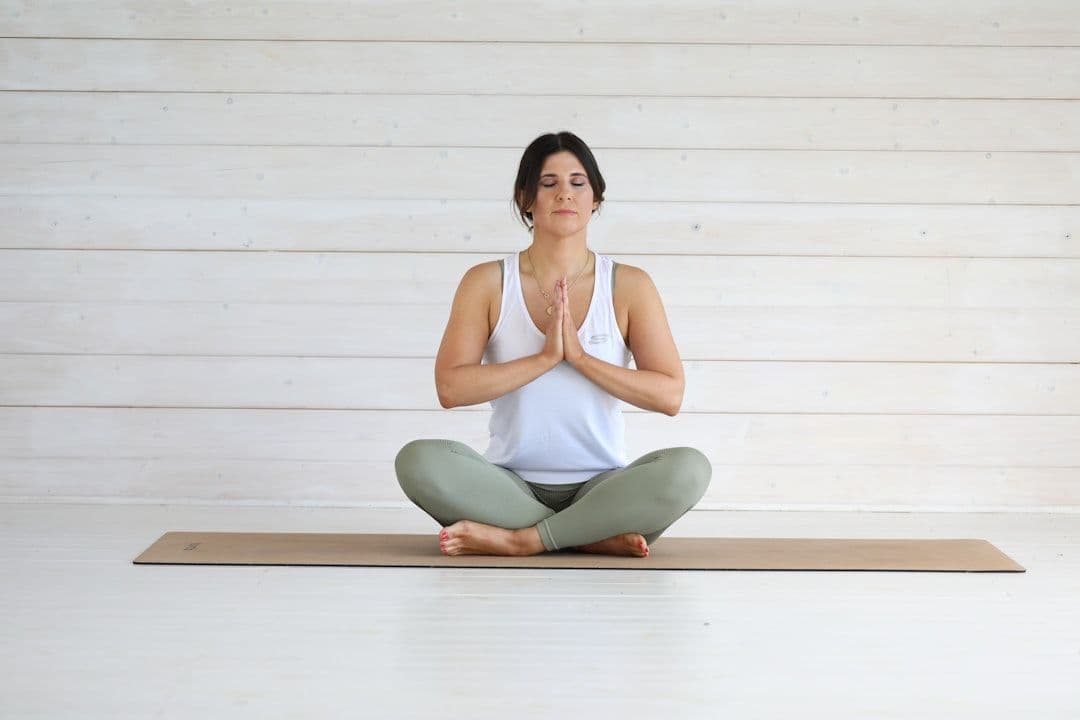
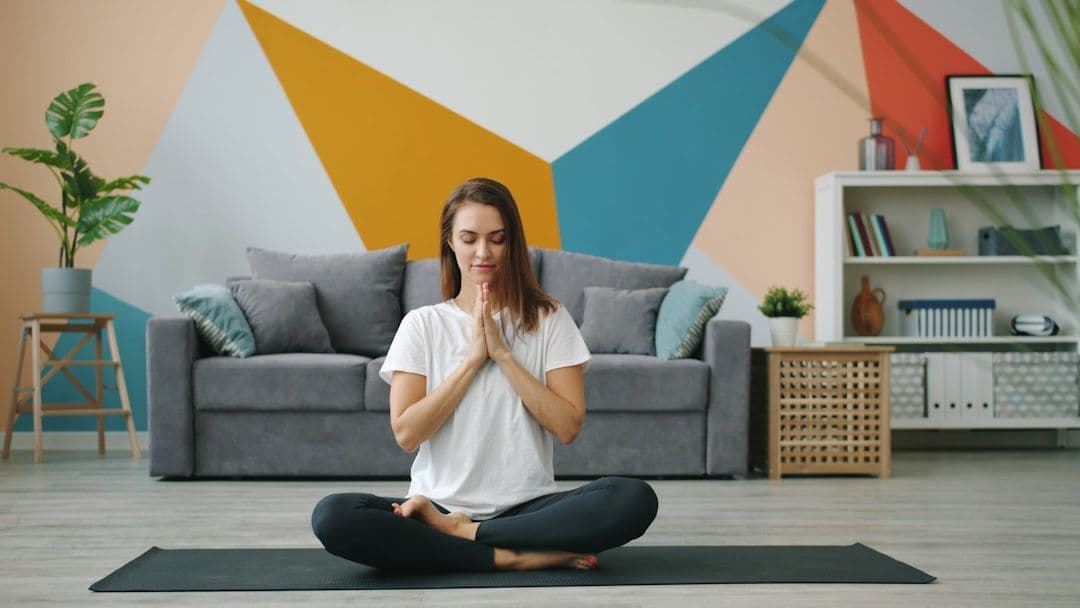
The main work typically starts with guided body awareness. You'll lie down or sit comfortably whilst your practitioner leads you through progressive attention to different body regions. "Notice what you feel in your shoulders," they might say. "Don't try to change anything, just observe." This phase usually lasts 15-20 minutes.
Next comes the integration work — exploring how thoughts and physical sensations influence each other. Your practitioner might ask you to recall a mildly stressful memory whilst noticing what happens in your body, then guide you through breathing or visualisation techniques to shift those sensations. These exercises typically occupy 20-30 minutes of the session.
Sessions conclude with a brief discussion of what you observed and any insights that emerged. Your practitioner often suggests simple awareness exercises for home practice.
What You Might Experience
During awareness exercises, many people notice physical sensations they'd previously ignored — tension in specific muscles, changes in breathing depth, or warmth in certain body regions. Some experience emotional releases: tears, laughter, or waves of feeling that seem to arise from nowhere.
It's normal to feel mentally restless initially. Your mind may wander frequently during guided exercises — practitioners expect this and will gently redirect your attention without judgement.
Immediately after sessions, you might feel deeply relaxed, energised, or emotionally tender. Some people report feeling more "present" in their body or noticing previously unconscious tension patterns. Others experience temporary emotional sensitivity as awareness increases.
Not everyone has dramatic responses. Subtle shifts in self-awareness often prove more valuable than intense experiences, though these may take days or weeks to recognise fully.
Aftercare and Integration
Drink plenty of water and avoid stimulating activities for the rest of the day if possible. The heightened awareness cultivated during sessions continues processing in the background, and overstimulation can interrupt this natural integration.
Many practitioners suggest gentle movement — walking, stretching, or yoga — to help embody insights from the session. Avoid alcohol or recreational drugs for 24 hours, as these can dampen the nervous system sensitivity you've been developing.
Keep a simple awareness journal if recommended by your practitioner. Note physical sensations, emotional patterns, or thoughts that seem connected to bodily feelings. This practice strengthens the mind-body awareness beyond formal sessions.
Most people notice initial shifts within 2-3 sessions, though deeper integration typically unfolds over 6-12 weeks of regular practice.
Building Your Practice
Initial courses often involve 6-8 weekly sessions to establish foundational awareness skills. Your practitioner teaches specific techniques you can practice independently, gradually building your capacity to notice and influence mind-body connections in daily life.
Some people continue with monthly maintenance sessions once they've developed basic skills, particularly during stressful periods when automatic patterns tend to reassert themselves. Others integrate the awareness practices into existing wellness routines.
The effectiveness depends significantly on home practice between sessions. Even five minutes daily of guided body awareness or conscious breathing reinforces the neural pathways that support mind-body integration. Your practitioner will adjust the pace based on your engagement level and how readily you notice internal patterns.