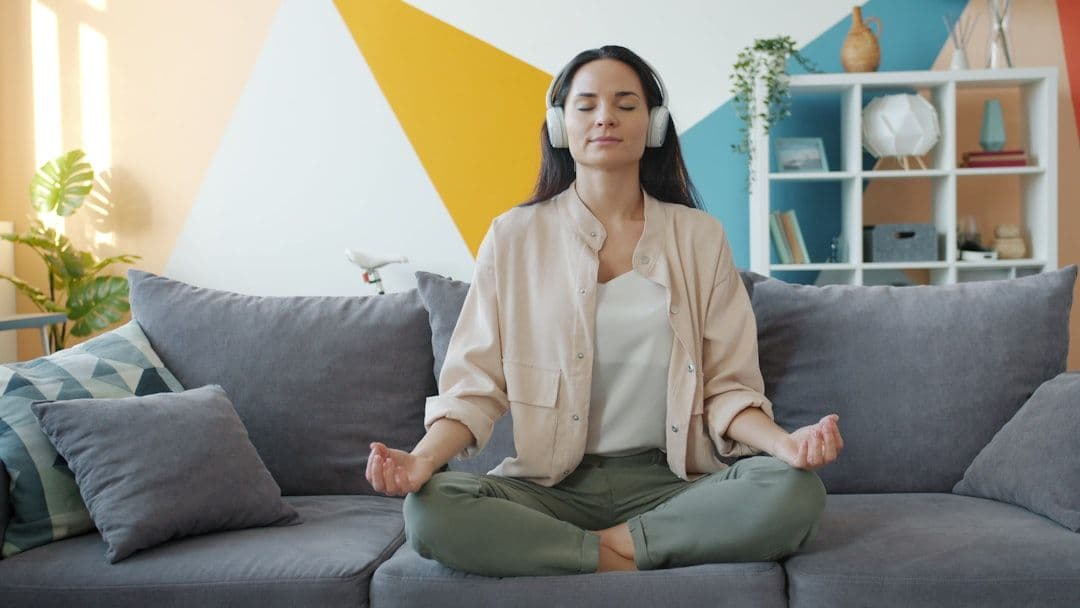
Why Practitioners Choose This Modality
As a practitioner, I choose to work with mindfulness because of its profound impact on both physical and mental well-being. Mindfulness has been shown to reduce chronic pain, anxiety, and depression, making it an invaluable tool for supporting clients with a range of conditions. By incorporating mindfulness into my practice, I can offer clients a holistic approach to health that complements traditional therapies and promotes long-term wellness.
What Clients Typically Experience
Clients who work with mindfulness often report a significant reduction in stress and anxiety, as well as improved sleep quality and increased feelings of calm and relaxation. Many clients also experience a greater sense of self-awareness and self-acceptance, which can lead to more positive relationships and a greater overall sense of well-being. As clients become more comfortable with the practice, they often find that they are better able to manage challenging emotions and situations, leading to increased resilience and a greater sense of control over their lives.
Common Misconceptions
One common misconception about mindfulness is that it requires a specific spiritual or religious affiliation. However, mindfulness is a secular practice that can be adapted to suit any individual's needs and beliefs. Another misconception is that mindfulness is only for those who are experiencing severe mental health issues, when in fact it can be beneficial for anyone looking to reduce stress and improve their overall well-being. It is also important to note that mindfulness is not a replacement for traditional medical treatment, but rather a complementary therapy that can be used alongside conventional therapies to support overall health and well-being.
Advice for First-Timers
For those who are new to mindfulness, I recommend starting with short, guided sessions and gradually increasing the duration as you become more comfortable with the practice. It can also be helpful to find a quiet and comfortable space to practice, free from distractions and interruptions. Remember that mindfulness is a practice, and it's okay if your mind wanders – simply acknowledge the thought and gently bring your attention back to the present moment. With regular practice, you can develop greater self-awareness, reduce stress and anxiety, and improve your overall sense of well-being.
When to Seek Additional Support
While mindfulness can be a powerful tool for supporting mental and physical health, it is essential to seek additional support if you are experiencing severe or persistent symptoms. If you are struggling with chronic pain, anxiety, or depression, it is crucial to consult with a qualified healthcare professional to develop a comprehensive treatment plan. Mindfulness can be used alongside traditional therapies to support overall health and well-being, but it should not be used as a replacement for medical treatment. By working with a qualified practitioner and incorporating mindfulness into your self-care routine, you can experience the many benefits of this holistic practice and cultivate a deeper sense of wellness and resilience.