The Gentle Burn of Healing
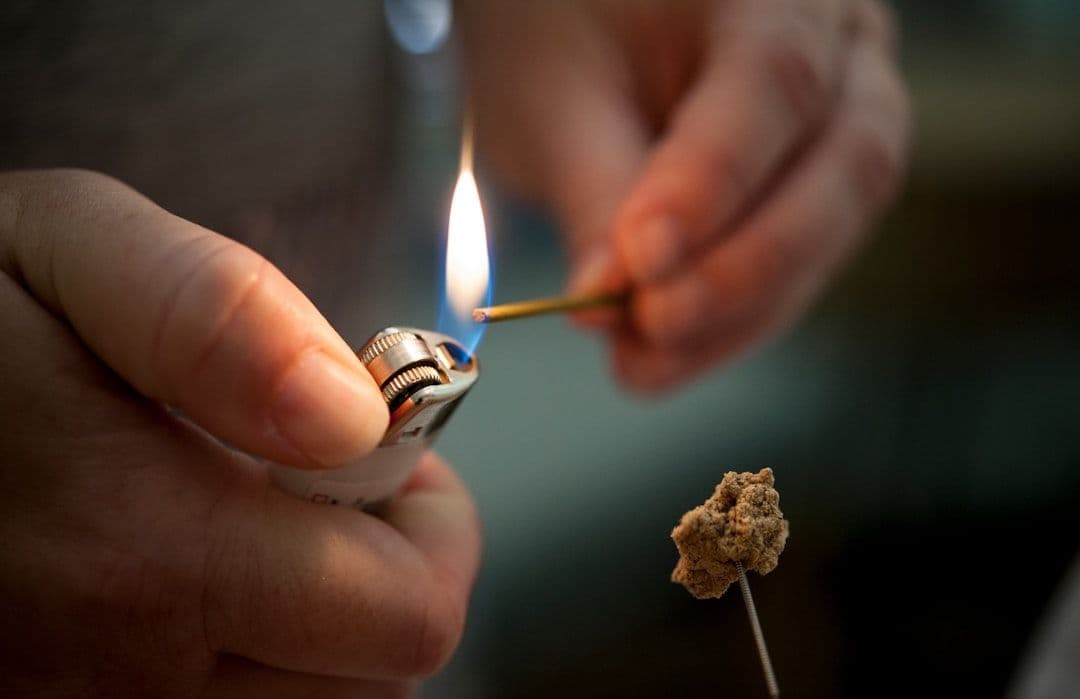
A cone of dried mugwort glows orange atop a slice of fresh ginger, its aromatic smoke curling towards the ceiling as warmth penetrates deep into your lower back. This is moxibustion — a therapy where fire meets flesh in the most careful way imaginable. The practitioner monitors the heat precisely, removing the moxa just as the warmth becomes too intense, leaving behind a sensation that seems to reach far deeper than skin level.
Moxibustion transforms the humble mugwort plant (Artemisia vulgaris) into a therapeutic tool that has warmed bodies and moved energy for over 3,000 years. Unlike the quick insertion of acupuncture needles, moxa demands patience. The herb burns slowly, methodically, creating sustained warmth that practitioners believe awakens the body's healing potential through the very points that acupuncturists target with needles.
From Ancient Texts to Modern Clinics
Classical Chinese medical texts describe moxibustion as essential for treating conditions of cold and deficiency — times when the body lacks the vital warmth needed for proper function. The practice emerged from observations that certain points on the body, when warmed, could influence distant organs and systems. Ancient physicians noted that burning mugwort specifically at these locations produced different effects than other heating methods.
The therapy spread throughout Asia, adapting to local medical traditions whilst maintaining its core principles. Japanese practitioners developed more refined burning techniques, whilst Korean medicine integrated moxibustion into constitutional treatment approaches. Today's practitioners draw from this rich tradition whilst adapting techniques to modern clinical settings.
Moxibustion has always been considered complementary to acupuncture rather than separate from it. Classical texts often specify whether a point requires needling, warming, or both, recognising that some conditions respond better to sustained heat than to the quick stimulation of a needle.
How Warmth Becomes Medicine
Within traditional Chinese medicine, moxibustion works by tonifying yang qi — the body's warming, activating energy that drives circulation, digestion, and vitality. Practitioners understand that when yang qi becomes deficient, cold patterns emerge: poor circulation, sluggish digestion, chronic fatigue, and a persistent feeling of being chilled from within.
The burning mugwort creates penetrating heat that reaches what TCM calls the meridian level — deeper than muscle, connecting to the energetic pathways that influence organ function. Different burning techniques produce varying intensities of stimulation, allowing practitioners to precisely match the treatment to each person's constitution and condition.
From a biomedical perspective, the sustained warmth increases local blood flow, potentially influences nerve conduction, and may trigger the release of certain neurotransmitters. However, TCM practitioners work within their traditional framework rather than seeking to validate their methods through Western mechanisms. They observe how the warming affects pulse quality, tongue appearance, and the person's overall energy — all within TCM's systematic approach to understanding health and illness.
What Draws People to This Warming Practice
People often discover moxibustion when they feel persistently cold, tired, or stuck — when their energy feels sluggish despite adequate rest. Those with digestive issues, particularly when eating seems to drain rather than nourish them, may find practitioners recommending moxa to strengthen what TCM calls digestive fire.
Chronic pain sufferers, especially those whose symptoms worsen in cold weather or improve with warmth, frequently explore moxibustion as part of their traditional Chinese medicine treatment. The therapy particularly appeals to those who find cold temperatures intolerable or who feel their vitality has gradually diminished over time.
Women experiencing menstrual irregularities, particularly those with delayed or scanty periods accompanied by fatigue, often encounter moxibustion as practitioners work to warm and invigorate reproductive function. The therapy's warming nature makes it popular among older adults seeking to counter what TCM views as the natural decline in yang energy with age.
Inside a Moxibustion Session
Your practitioner begins by examining your tongue and feeling your pulse, looking for signs that indicate whether warming therapy suits your current condition. They'll ask about your energy levels, how you respond to different temperatures, and whether you tend to feel hot or cold. This assessment determines which points require warming and what burning technique will prove most effective.
The actual treatment might involve lighting moxa sticks that resemble large, spongy cigarettes, holding them steady above selected acupuncture points until you feel pleasant warmth. Alternatively, they may use small cones of loose moxa placed on slices of ginger or salt, creating a barrier that prevents burning whilst allowing heat penetration. Some practitioners employ moxa boxes — small wooden containers that hold burning moxa above larger areas of the body.
Sessions typically last 20 to 45 minutes, though this varies depending on how many points require treatment and which techniques your practitioner selects. The room fills with mugwort's distinctive earthy aroma, and many people find the combination of warmth and scent deeply relaxing. Some practitioners combine moxibustion with acupuncture in the same session, using needles and heat to create comprehensive stimulation of the body's energy systems.
The Traditional Framework
Moxibustion operates within traditional Chinese medicine's sophisticated understanding of how the body maintains health through balanced energy flow. This knowledge system, developed over millennia, recognises that some conditions stem from insufficient warmth or activation rather than excess or inflammation. Within this framework, moxibustion addresses fundamental energetic imbalances rather than isolated symptoms.
Practitioners evaluate each person's constitution, current condition, and how they respond to different stimuli before determining whether moxibustion suits their needs. They consider factors like pulse quality, tongue appearance, and energy patterns that guide their choice of points and techniques. This individualised approach means that two people with seemingly similar complaints might receive quite different moxibustion treatments.
The practice integrates seamlessly with other TCM modalities, often combined with herbal prescriptions that work internally whilst moxibustion warms specific points externally. This comprehensive approach reflects TCM's understanding that lasting health changes require addressing multiple levels of the body's energetic function.
Practical Considerations
Expect to pay £40-£80 per session, with treatments often recommended weekly initially, then less frequently as your energy stabilises. Many practitioners offer moxibustion as part of broader acupuncture treatment rather than as a standalone therapy, which may affect pricing structure.
Look for practitioners registered with professional bodies such as the Complementary & Natural Healthcare Council (CNHC) or those who are members of the Association of Traditional Chinese Medicine and Acupuncture UK (ATCM). Proper training in moxibustion techniques is essential for safe practice, as the therapy involves burning materials near the skin.
Sessions require adequate ventilation due to the smoke produced, and you should mention any respiratory sensitivities during your initial consultation. Some practitioners offer smokeless moxa options for those who cannot tolerate traditional burning methods. Ask about their specific training in moxibustion techniques, as some acupuncturists incorporate only basic warming methods whilst others specialise in advanced applications.




