What Makes Neuromuscular Massage Different
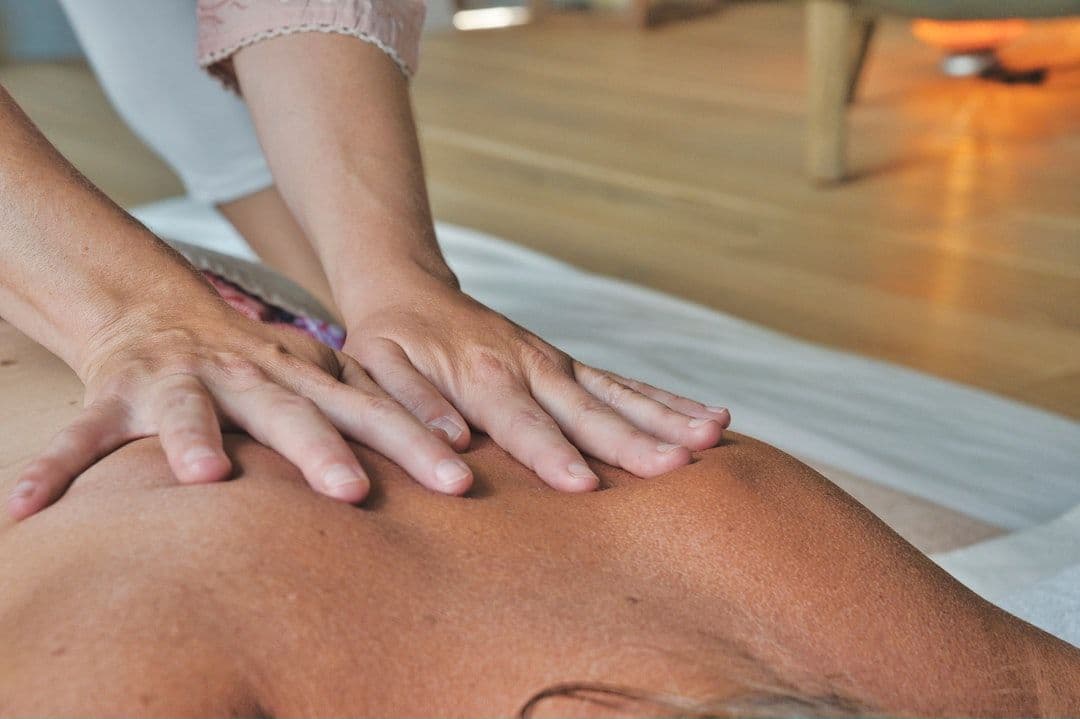
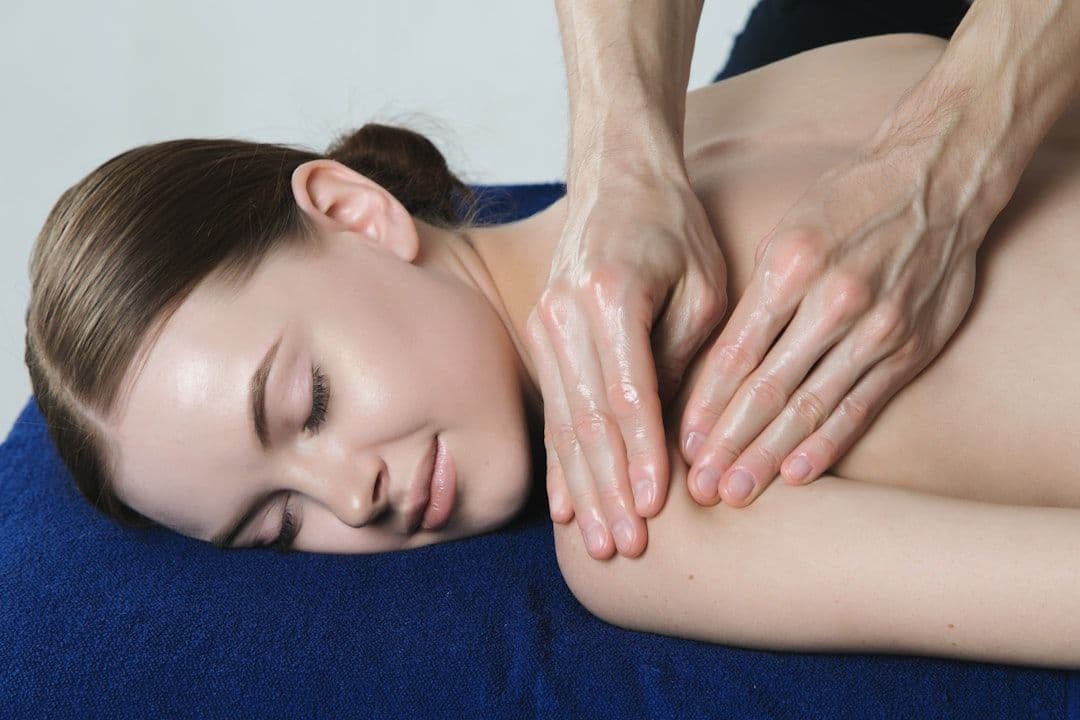
Your therapist's thumb finds a knot deep in your shoulder blade. Instead of the flowing strokes of Swedish massage, they apply sustained, precise pressure to this single point. You feel an odd mix of discomfort and relief as something seems to 'release' under their touch. This is neuromuscular massage—less about relaxation, more about solving specific muscular puzzles.
Unlike general massage that works broadly across muscle groups, neuromuscular massage targets discrete areas of dysfunction called trigger points. These aren't just 'tight spots'—they're localised areas where muscle fibres have become stuck in a contracted state, often referring pain to distant parts of the body. That persistent headache might stem from trigger points in your neck. Lower back pain could originate from dysfunction in your gluteal muscles.
The technique combines elements of deep tissue massage with manual therapy principles, but the approach is methodical rather than intuitive. Practitioners assess posture, movement patterns, and pain referral before applying specific pressure techniques, stretching, and soft tissue mobilisation to restore normal neuromuscular function.
From Physical Therapy to Mainstream Practice
Neuromuscular massage emerged in the mid-20th century as physical therapists and massage practitioners began applying trigger point research to manual therapy. The work of physicians like Janet Travell and David Simons, who mapped trigger point patterns and referral zones throughout the body, provided the anatomical foundation for this precise approach.
The technique gained momentum in sports medicine during the 1980s and 1990s, where practitioners needed more targeted interventions than traditional massage could provide. Athletes weren't just seeking relaxation—they needed specific dysfunction addressed to maintain performance and prevent injury.
Today's neuromuscular massage has evolved beyond its clinical origins. Whilst maintaining its therapeutic focus, the practice now serves anyone dealing with persistent musculoskeletal issues that haven't responded to conventional approaches. The integration of postural assessment, movement analysis, and home care programmes reflects a more comprehensive understanding of how local muscle dysfunction affects whole-body mechanics.
The Science Behind Targeted Pressure
Neuromuscular massage works through several physiological mechanisms, though our understanding continues to evolve. The primary theory involves interrupting pain-tension cycles that develop in dysfunctional muscle tissue. When muscle fibres remain chronically contracted, they compress local blood vessels, creating areas of reduced oxygen and nutrient delivery. This metabolic stress maintains the contraction, creating a self-perpetuating cycle.
Sustained pressure applied to these trigger points appears to restore normal blood flow and reset dysfunctional nerve signals. The technique may also stimulate mechanoreceptors—pressure-sensitive nerve endings that can override pain signals travelling to the brain. This explains why firm pressure can provide immediate relief even when the area is tender to touch.
Research suggests that effective trigger point release requires sufficient pressure intensity and duration—typically 30 seconds to two minutes of sustained compression. The pressure must be strong enough to produce local ischaemia (temporary reduction in blood supply) followed by reactive hyperaemia (increased blood flow) when pressure is released. This physiological response appears crucial for breaking the pain-tension cycle and restoring normal tissue function.
Who Benefits Most from This Approach
Neuromuscular massage shows particular promise for people whose pain doesn't fit neat diagnostic categories. If you've been told your MRI is 'normal' but you still experience persistent discomfort, trigger point dysfunction might be the missing piece. The technique especially benefits those with myofascial pain syndrome, where trigger points create widespread pain and stiffness.
Office workers often respond well to neuromuscular massage for addressing postural dysfunction. Hours spent at computers create predictable patterns of muscle imbalance—tight chest and neck muscles, weak upper back stabilisers, compressed hip flexors. Traditional massage might provide temporary relief, but neuromuscular work addresses the specific trigger points maintaining these dysfunctional patterns.
Athletes and physically active individuals frequently find value in this targeted approach, particularly for addressing compensation patterns that develop after injury. When you favour one side during recovery, other muscles work overtime to maintain function. These overworked areas develop trigger points that can persist long after the original injury has healed, creating new problems that seem unrelated to the initial issue.
What to Expect During Treatment
A neuromuscular massage session begins with assessment rather than immediate hands-on work. Your practitioner will ask about your pain patterns, daily activities, and previous injuries. They'll observe your posture and may ask you to perform simple movements to identify restrictions or compensations.
The massage itself can feel intense. When your therapist locates a trigger point, they'll apply gradually increasing pressure until they find the therapeutic level—enough to produce a response without causing you to tense up defensively. You might feel referred sensations: pressure on a neck trigger point could produce tingling in your arm, or work on your gluteal muscles might cause sensations in your thigh.
Communication is crucial throughout treatment. Your practitioner needs feedback about pressure intensity and any referred sensations you experience. Unlike relaxation massage where you might drift off, neuromuscular work requires your active participation. Sessions typically last 60-90 minutes, with much of the time spent on specific problem areas rather than full-body work.
The Evidence Base
Research supports neuromuscular massage for several specific conditions. Clinical trials have shown effectiveness for myofascial pain syndrome, with studies demonstrating reduced pain intensity and improved function compared to conventional treatment alone. The technique also shows promise for tension-type headaches, with some research suggesting it can reduce both frequency and intensity of episodes.
A systematic review examining trigger point therapies found moderate evidence for short-term pain relief, though longer-term outcomes remain less clear. The challenge lies in standardising research—practitioners vary in their techniques, pressure application, and treatment protocols. This makes it difficult to draw definitive conclusions about optimal approaches.
What we see consistently in clinical practice is that people with chronic, poorly-defined musculoskeletal pain often respond when other approaches haven't helped. Whilst we need more rigorous research to understand exactly why this occurs, the combination of precise anatomical targeting and sustained pressure application appears to address dysfunction that broader approaches miss. The evidence suggests neuromuscular massage works best as part of a comprehensive treatment plan rather than as a standalone intervention.
Finding the Right Practitioner
Not all massage therapists are trained in neuromuscular techniques. Look for practitioners who have completed specific coursework in trigger point therapy or neuromuscular massage beyond basic massage qualifications. Many will have studied with organisations like the National Training Centre or completed programmes through recognised manual therapy schools.
Expect to pay £60-£90 per session in most UK cities, with some practitioners charging more based on additional qualifications or clinical experience. Initial treatment programmes typically involve weekly sessions for 4-6 weeks, followed by maintenance appointments every 2-4 weeks depending on your response and underlying condition severity.
A qualified practitioner should conduct a thorough assessment, explain what they're finding, and provide you with self-care strategies between sessions. They should also recognise when your condition requires medical evaluation or when neuromuscular massage isn't the appropriate intervention. Red flags include practitioners who make unrealistic promises or suggest abandoning other treatments in favour of massage alone.