Why Practitioners Choose This Modality
I chose occupational therapy because I witnessed firsthand how powerful it is to help someone reclaim their independence and engage in activities they love. Unlike modalities focused only on isolated symptoms, occupational therapy places the whole person and their real-world life at the center of care.
What drew me to this field was the opportunity to work collaboratively with clients to set meaningful goals—goals they choose, not goals imposed by diagnosis. Whether someone is learning to dress themselves after a stroke, managing joint pain while cooking, or finding ways to participate in their favorite hobby after a spinal cord injury, the work feels deeply purposeful.
I also value the blend of science and creativity. We use evidence-based techniques—motor learning, sensory integration, behavioral psychology—but we apply them flexibly within the context of each person's life. No two clients are the same, and no two treatment plans are identical. That keeps the work intellectually engaging and ensures every intervention serves a clear, personal purpose.
What Clients Typically Experience
When clients first arrive, many are grieving lost function or struggling with uncertainty about what their future holds. They often feel isolated by their condition and unsure whether they'll ever return to activities they took for granted. Over time, I observe a profound shift.
Early in therapy, clients discover that small adaptations—a different grip on a utensil, a rearranged kitchen, a piece of adaptive equipment—can dramatically improve their ability to do something they care about. That moment when someone feeds themselves independently for the first time after a stroke, or successfully plays an instrument adapted for their cerebral palsy, is transformative. It rebuilds confidence.
Clients also report reduced anxiety and agitation as they gain control over their environment and daily routines. For people with dementia, caregivers observe that a simplified, clearly organized home reduces confusion and wandering. For individuals on the autism spectrum, sensory-friendly spaces and structured activity schedules ease sensory overload and social anxiety.
Perhaps most importantly, clients experience renewed engagement. When therapy focuses on activities that matter—work, hobbies, time with family—people feel motivated. They're not just doing exercises; they're rebuilding their life.
Common Misconceptions
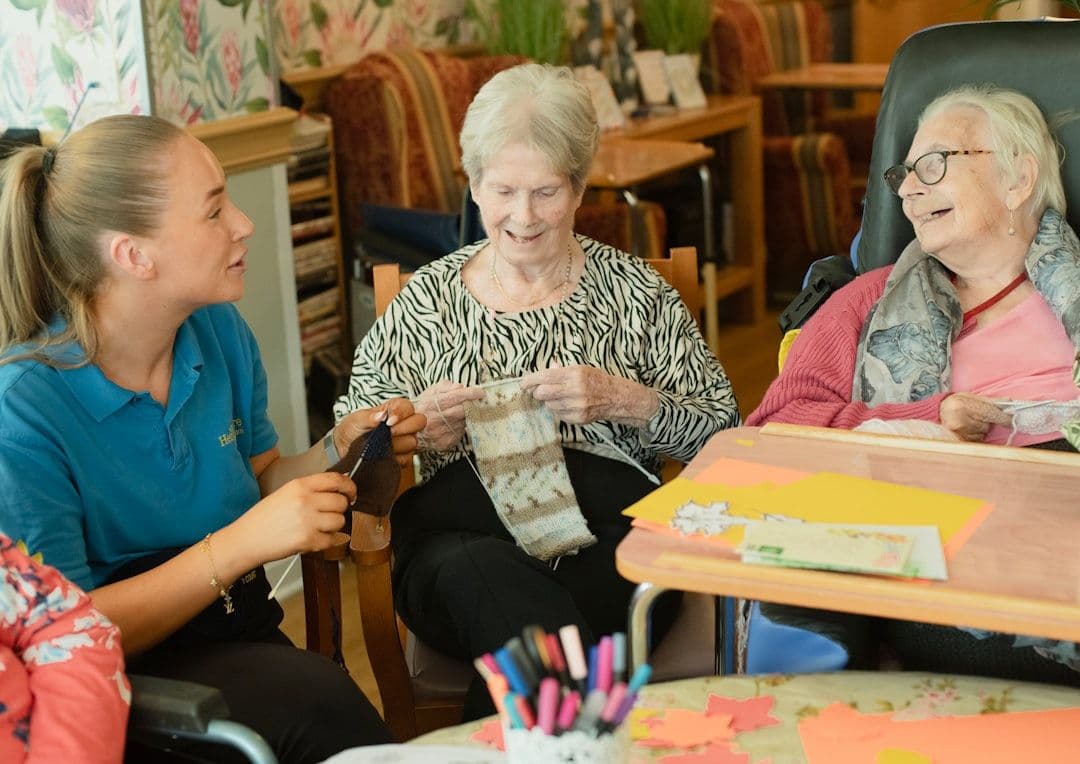
One widespread misconception is that occupational therapy is primarily crafts and games. While creative, purposeful activities are certainly part of therapy, they're never arbitrary. Every activity is selected to address specific goals—a cooking task builds fine motor coordination and sequencing, a social game targets communication and turn-taking, a gardening activity combines strength, planning, and sensory input.
Another misconception is that occupational therapy is a substitute for medical treatment. It isn't. We work alongside medication, surgery, and other medical interventions. Our role is to help you manage symptoms and maintain independence while medical care addresses the underlying condition. We always communicate with your doctor and never recommend stopping prescribed treatment.
Some people also believe occupational therapy is only for recovery from obvious injuries. In reality, we support people managing chronic conditions—arthritis, dementia, autism, cerebral palsy—where the goal isn't cure but sustained quality of life and independence. We help people adapt to permanent changes and find new ways to engage in meaningful activity.
Finally, many assume therapy requires a clinic setting. While we do work in hospitals and clinics, much of occupational therapy happens in homes, schools, and workplaces. We meet you where you live and work, because that's where real life happens.
Advice for First-Timers
Before your first appointment, take time to reflect on what matters most. What activities are essential to your daily life? What hobbies or roles do you miss? What would independence look like for you? Write these down—they form the foundation of effective therapy.
Be honest about your current challenges and your goals. Some people minimize difficulties to seem 'stronger,' but that only limits what we can achieve together. Similarly, don't set goals you think are realistic; set goals that matter to you, and we'll break them into achievable steps.
Wear comfortable clothing and shoes to your first session if there's any movement assessment involved. Bring any medical records or medication lists if you have them. If you use adaptive equipment already, bring it so we can see how it's working for you.
Approach therapy as a collaborative partnership. Your therapist brings expertise, but you bring essential knowledge about your life, preferences, and what actually works for you. Speak up if something isn't working or if you have concerns. The best outcomes happen when therapist and client work together with mutual respect.
Expect gradual progress rather than dramatic overnight change. Meaningful, lasting improvement takes time and practice. Between sessions, your therapist will likely suggest activities or exercises—do them. The work you do at home, at school, or at work matters as much as time in therapy.
Finally, remember that occupational therapy is as much about building confidence and resuming meaning as it is about improving function. Celebrate small victories. When you successfully button a shirt, return to a hobby, or feel more confident in social situations, that's genuine progress.
When to Seek Additional Support
Occupational therapy is powerful, but it's not the only support you may need. If you're experiencing significant depression, anxiety, or emotional distress related to your condition, consider speaking with a psychologist or counselor alongside occupational therapy. Mental health support complements functional rehabilitation beautifully.
If you have complex medical needs—recent surgery, unstable health conditions, or multiple diagnoses—consult your physician before starting occupational therapy to ensure the intervention is safe for your current situation. Your occupational therapist will always communicate with your medical team.
For children with developmental concerns, occupational therapy often works best as part of a team that might include speech therapy, physical therapy, and special education. If your child is struggling with multiple areas—speech, motor skills, social interaction, sensory processing—coordinate with your pediatrician to ensure comprehensive assessment.
If you're managing chronic pain alongside functional limitations, ask your therapist about pain management strategies and consider whether additional support from pain specialists or physical medicine professionals would help. Occupational therapy addresses how pain affects daily life, but pain management itself may involve multiple approaches.
Lastly, if you find yourself not progressing after several months, or if your goals have shifted significantly, discuss this openly with your therapist. We adjust treatment plans regularly, and sometimes a referral to a different specialist or a fresh perspective helps unlock progress.