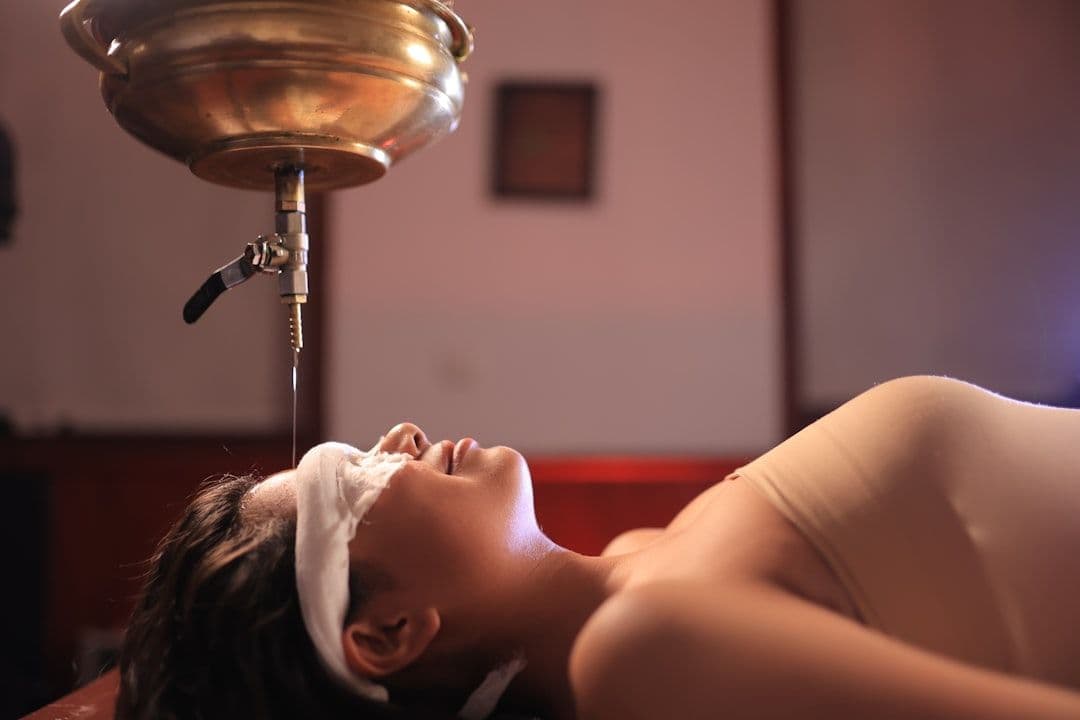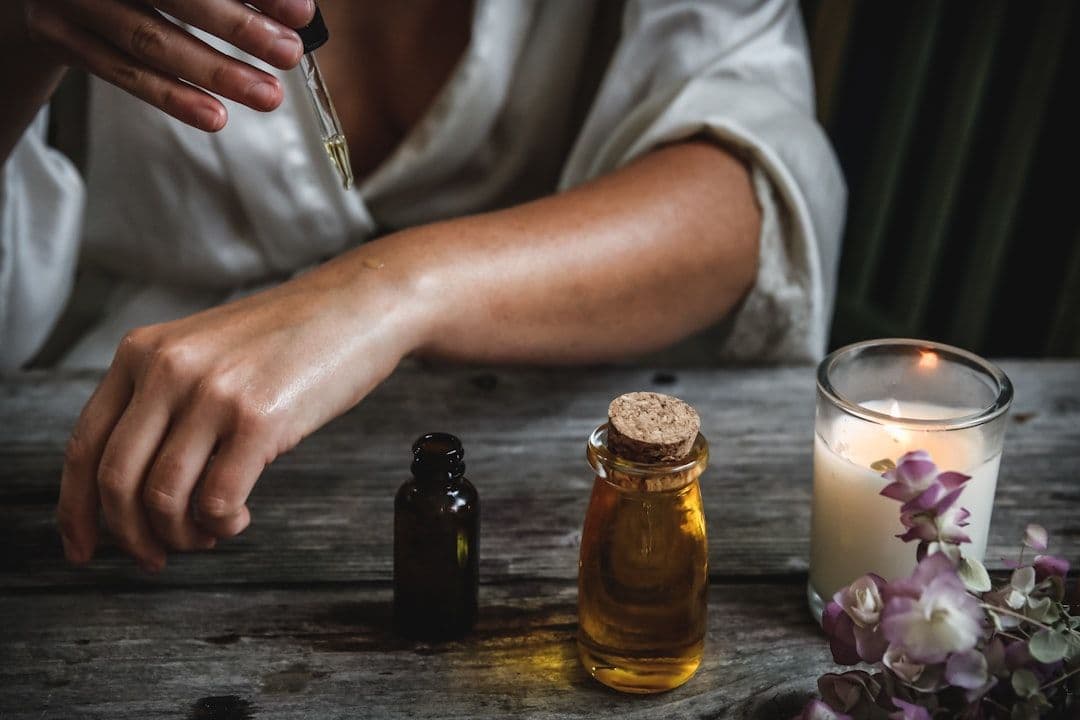
What Are Organic Facials?
Picture a facial where every product touching your skin carries a certified organic label — no synthetic preservatives, no artificial fragrances, no pesticide residues. This is the essence of organic facials: skincare treatments that use only ingredients grown and processed without synthetic chemicals.
Unlike conventional facials that might combine natural and synthetic elements, organic facials adhere to strict certification standards. The botanicals, oils, and extracts must be cultivated without pesticides, herbicides, or synthetic fertilisers. Even the processing methods are regulated — no harsh chemical extraction, no synthetic stabilisers.
The approach reflects a broader philosophy that what we put on our skin matters as much as what we put in our bodies. Practitioners argue that avoiding synthetic chemicals allows the skin's natural processes to function optimally whilst delivering concentrated plant compounds that have nourished human skin for millennia.
From Ancient Beauty Rituals to Modern Certification
Plant-based skincare stretches back thousands of years. Ancient Egyptians used organic oils and botanical extracts, whilst traditional Chinese medicine developed sophisticated herbal preparations for skin health. Indigenous cultures worldwide created face treatments using local plants and minerals.
The modern organic facial movement emerged in the 1970s alongside growing environmental awareness and concerns about synthetic chemicals in personal care products. What started as a counterculture response to industrial cosmetics has evolved into a sophisticated practice with rigorous certification standards.
Today's organic facials operate within established frameworks like the Soil Association's organic beauty standards or Ecocert certification. These systems ensure that not only are ingredients organic, but the entire supply chain — from farm to facial room — meets environmental and ethical criteria.
How Organic Facials Work
From the practice's perspective, organic facials work by removing barriers to the skin's natural function whilst delivering concentrated plant nutrients. Certified organic ingredients are believed to be more biocompatible — recognised and utilised by skin cells more effectively than synthetic alternatives.
The treatment typically progresses through cleansing with plant-based oils, gentle exfoliation using fruit acids or ground botanicals, lymphatic massage with organic carrier oils, and targeted treatments using plant extracts selected for specific skin concerns. Each step builds on the previous one, preparing the skin to absorb the next layer of nutrients.
From a biomedical view, many organic ingredients contain compounds with documented skin benefits. Plant oils provide essential fatty acids that support the skin barrier. Botanical extracts deliver antioxidants like vitamin C from rosehip or polyphenols from green tea. Natural fruit acids offer gentler exfoliation than synthetic alternatives. However, 'organic' doesn't automatically mean more effective — the concentration and stability of active compounds varies significantly between products.
Who Might Benefit Most
Organic facials particularly appeal to people whose skin reacts poorly to synthetic fragrances, preservatives, or harsh chemicals commonly found in conventional skincare. If you've experienced irritation from standard facial products or have sensitive skin conditions, the gentler formulations might offer relief.
Those recovering from aggressive treatments like chemical peels or laser procedures sometimes find organic facials provide nourishment without overwhelming healing skin. The absence of synthetic fragrances and harsh preservatives can make the experience more comfortable during recovery periods.
People following broader organic lifestyles often choose these facials as part of reducing overall chemical exposure. Whilst the skin absorption of cosmetic ingredients is generally minimal, some prefer the consistency of using organic products throughout their personal care routine.
What to Expect During Treatment
An organic facial session begins much like any professional facial, with a thorough consultation about your skin type, concerns, and any sensitivities. The practitioner examines your skin under magnification to assess its current condition and select appropriate organic products.
The treatment itself follows familiar stages but with exclusively organic ingredients. Cleansing might use organic jojoba or sweet almond oil rather than synthetic cleansers. Exfoliation could involve organic fruit enzymes or finely ground organic botanicals instead of chemical peels. The massage incorporates organic carrier oils infused with plant extracts chosen for your skin type.
Mask treatments represent where organic facials truly differentiate themselves. You might experience a clay mask enhanced with organic rosehip oil, or a hydrating treatment using organic aloe vera and botanical hyaluronic acid alternatives. The session typically concludes with organic serums and moisturisers, leaving your skin feeling clean but not stripped.
Sessions usually last 60-90 minutes, similar to conventional facials, but with more emphasis on gentle, nurturing techniques rather than aggressive intervention.
The Evidence Picture
Research specifically comparing organic facials to conventional treatments remains surprisingly limited. Most studies focus on individual botanical ingredients rather than complete organic facial protocols. This creates an evidence gap — we know certain plant compounds benefit skin, but whether organic cultivation makes them more effective isn't well-established.
Preliminary research on natural skincare ingredients shows promise. Studies on organic rosehip oil demonstrate vitamin C content and antioxidant activity. Research on plant-based hyaluronic acid alternatives shows hydrating properties. However, these are typically laboratory studies or small clinical trials focusing on single ingredients, not comprehensive facial treatments.
Dermatological research does support avoiding certain synthetic ingredients that can cause sensitisation or irritation. For people with reactive skin, the absence of common synthetic triggers in organic products may provide practical benefits, even if the organic aspect itself isn't proven superior.
The evidence base is developing, but currently relies more on the documented benefits of individual natural ingredients and practitioner observations than robust clinical trials comparing organic to conventional facial treatments.
Finding the Right Practitioner
Look for therapists registered with the CNHC (Complementary & Natural Healthcare Council) or FHT (Federation of Holistic Therapists) who specialise in organic skincare. Many hold additional certifications in organic beauty therapy or natural skincare techniques beyond basic aesthetics training.
Expect to pay £60-120 per session, with organic products typically commanding premium prices due to certification costs and smaller production scales. Many practitioners offer package deals for multiple sessions, as organic treatments are often positioned as part of ongoing skin health rather than one-off interventions.
Treatment frequency varies based on skin condition and goals. Monthly sessions are common for maintenance, whilst addressing specific concerns might require fortnightly treatments initially. Your practitioner should provide organic home-care recommendations to maintain benefits between sessions.
Before booking, ask about product certifications — look for Soil Association, Ecocert, or similar organic beauty standards rather than vague 'natural' claims. A knowledgeable organic skincare therapist should readily discuss their product sources and certification standards.