Before the Session: What to Expect
In the days leading up to your first Pachamama Ritual, you may notice a quiet anticipation building. There's something about knowingly stepping into a ceremony—a space held with intention—that shifts your awareness. You might feel curious, a little nervous, or perhaps ready for something to shift in your life. These feelings are all normal. Before you arrive, a skilled practitioner will have asked you about your intentions, any physical limitations, and what brought you to seek this experience. This conversation matters; it helps the facilitator meet you where you are. You may be asked to wear simple, comfortable clothing and come with an open heart. Some practitioners suggest arriving with a small offering—a stone, a piece of fruit, or herbs from your home—something that holds meaning for you. This act of bringing something begins the ritual even before you arrive at the sacred space. There's no special knowledge required, no prior experience needed. You're simply coming to reconnect with the earth and yourself.
Arriving and Setting the Scene
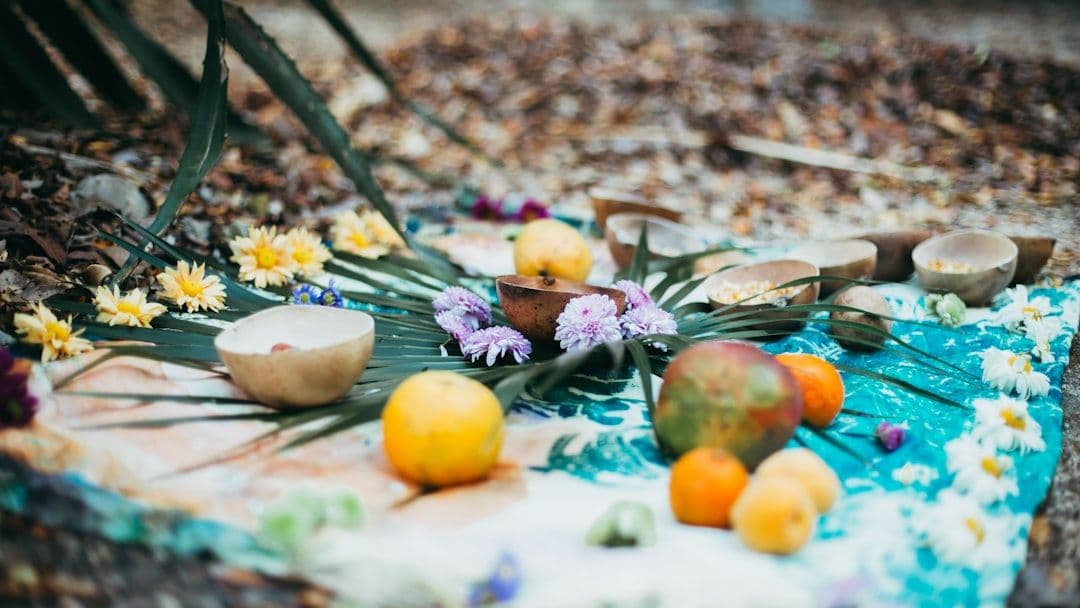
You arrive at a natural space—perhaps a garden, a woodland clearing, or a ceremonial area specifically prepared. The first thing you notice is the sensory shift: the quality of light, the smell of soil or plants, the sound of wind or birdsong. Your nervous system begins to settle, even if you didn't realise you were tense. The practitioner greets you with warmth and attentiveness, and you may be invited to remove your shoes if the earth is accessible. Walking barefoot on soil, grass, or stone feels immediate and grounding. The space itself has been prepared with care—perhaps there's an altar with stones, flowers, or water; perhaps the circle is marked simply by intention alone. The practitioner explains what will unfold, inviting questions and affirming that you are safe and in control. You're asked to set an intention—something you wish to release, heal, or invite into your life. Saying this aloud, in the presence of the earth and a witness, carries weight. The ceremony is about to begin.
During the Session
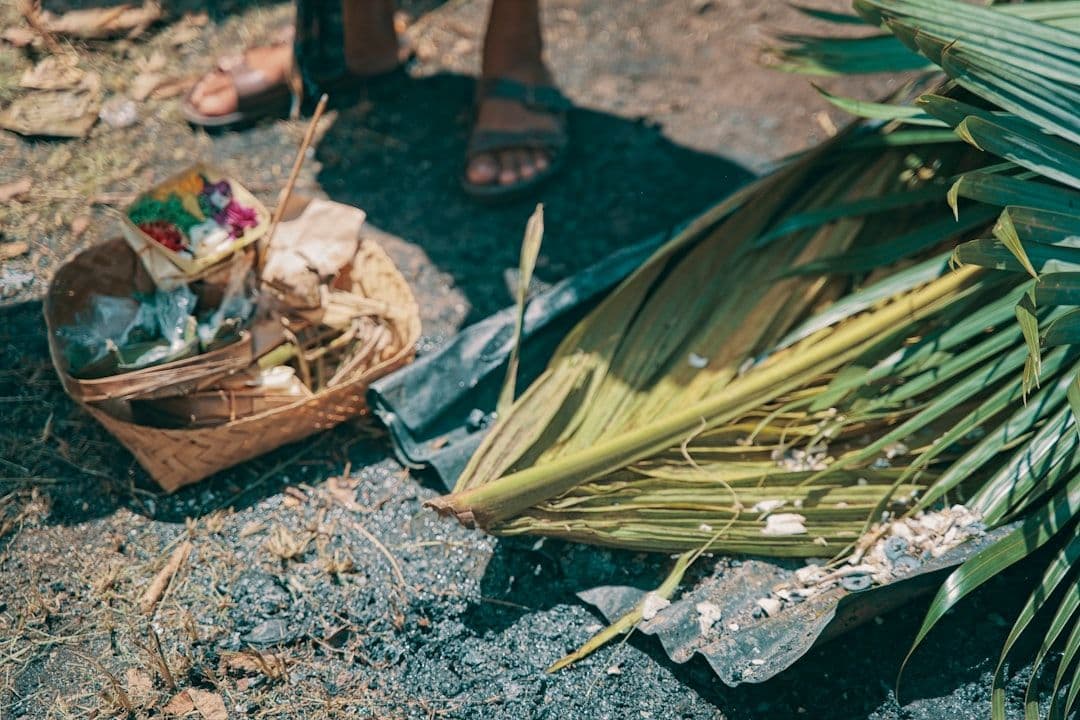
The ritual itself unfolds slowly and sensorily. You may be guided through grounding practices—feeling your feet on the earth, placing your palms on the ground, breathing in rhythm with the land around you. The practitioner speaks with reverence about Pachamama, the living earth, and invites you to sense your belonging to something vast and nourishing. You might be asked to move, to speak, to make an offering, or simply to sit in stillness while the practitioner works with symbols, elements, or songs. Water may be sprinkled; herbs may be burned; stones may be arranged. The pace is gentle but intentional. You might feel emotions rising—sadness, relief, joy, or a quiet sense of safety. This is welcome. There is space for tears, for silence, for whatever arises. Some people feel physical sensations—warmth, tingling, deep relaxation. Others experience a quiet mental clarity or a sense of being held. The practitioner creates a container where all of this is honoured. As the ceremony draws toward closure, there may be reflection time, tea shared in silence, or a final spoken blessing. You are gradually brought back to ordinary awareness, your intention woven into the earth itself.
How You May Feel Afterwards
As you leave the ceremonial space, the shift is often noticeable. Your nervous system may feel calmer; your breathing may be slower and deeper. There's frequently a quality of spaciousness—as though something tight has loosened. You might feel grounded, more present in your body, and more aware of the world around you. Some people feel emotional release, a natural tiredness as if your system has been given permission to rest. Others feel energised and clear, their earlier confusion or heaviness lifted. In the hours and days that follow, you may notice sustained effects: better sleep, a quieter mind, or a renewed sense of connection to nature and your place in it. You might find yourself returning to the intention you set, noticing how the earth and your own resilience are supporting its unfolding. Some feelings may take time to integrate; grief or trauma processing is not always linear. If difficult emotions surface in the following days, this is also normal and part of the healing. Many people find that one session opens a door, and they return to ritual periodically—especially during transitions, loss, or burnout. The benefit is cumulative and personal.
Is It Right for You?
Pachamama Rituals may be right for you if you feel drawn to nature-based healing, if you are experiencing disconnection or overwhelm, or if you are grieving and seeking a ceremonial space to process loss. They are particularly supportive for people navigating burnout, anxiety, or transition who respond well to sensory and somatic approaches. If you have experienced trauma or are managing a mental health condition, this modality can be a valuable complement to professional care—speak with your therapist or doctor first. Pachamama Rituals are not a replacement for psychiatric medication, trauma therapy, or crisis support; they work best alongside these. If you have mobility limitations or cannot be outdoors, discuss accessibility with your practitioner before booking. If you are drawn to Indigenous wisdom and respectful of its origins, you may find particular resonance here. Ultimately, your own intuition matters most. If the idea of earth-based ceremony, grounding, and symbolic healing calls to you, it may be time to seek out a trained and trusted practitioner and see what unfolds.