What Makes Paediatric Practice Different
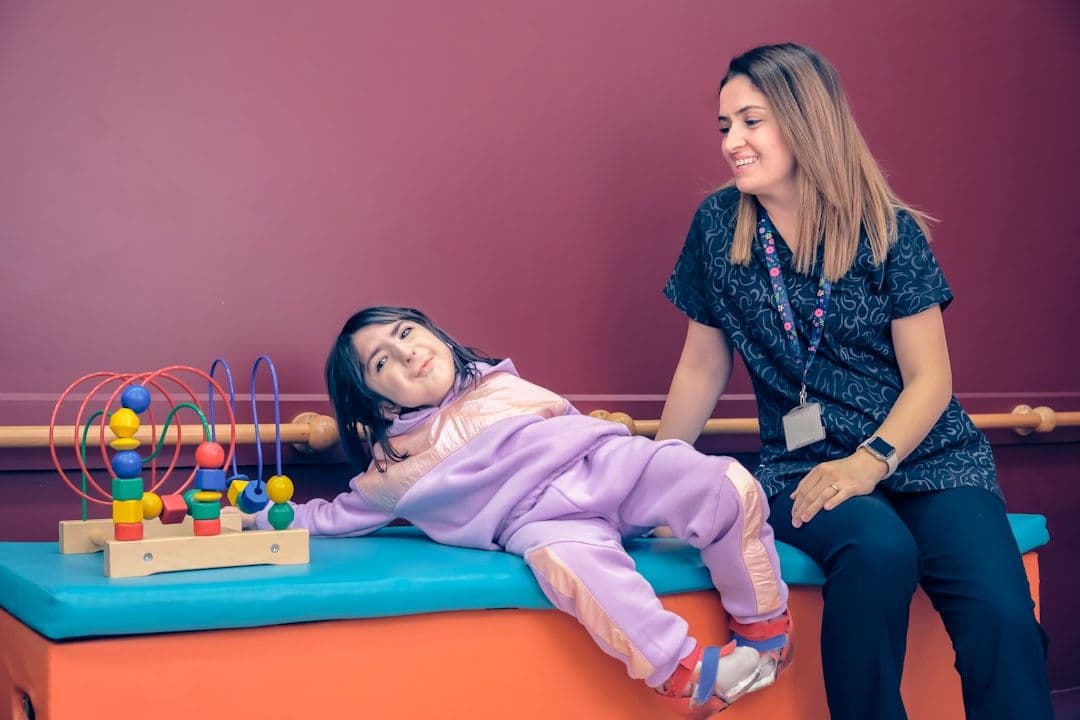
A seven-year-old sits cross-legged on a colourful mat, giggling as her practitioner demonstrates a breathing technique using a pinwheel toy. This isn't adult therapy scaled down—it's an entirely different approach. Paediatric complementary health recognises that children aren't simply smaller adults. Their nervous systems, immune responses, and cognitive processing work differently at every developmental stage.
Practitioners modify everything: pressure during massage becomes feather-light for toddlers, herbal doses drop to fractions of adult amounts, and traditional meditation transforms into imaginative storytelling. The child's family becomes central to treatment, with parents often learning techniques to use at home. Sessions incorporate play, movement, and sensory experiences that match how children naturally learn and heal.
From Traditional Wisdom to Modern Application
Traditional healing systems have always recognised children's unique needs. Ayurvedic practitioners have used gentle oil massage for infants for thousands of years. Traditional Chinese Medicine developed specific paediatric pulse diagnosis techniques and modified acupuncture approaches. Indigenous cultures worldwide created child-specific ceremonies and plant preparations.
Modern paediatric complementary health emerged in the 1980s as parents sought alternatives to pharmaceutical interventions for common childhood issues. Practitioners began adapting adult techniques—reducing intensity, incorporating developmental psychology, and focusing on family dynamics. Today's approach blends traditional knowledge with contemporary understanding of child development, neuroscience, and family systems theory.
How Treatment Adapts to Growing Bodies and Minds
Practitioners first assess a child's constitutional type—whether through Ayurvedic dosha analysis, Traditional Chinese Medicine patterns, or Western constitutional approaches. They observe energy levels, sleep patterns, digestive function, and emotional responses. This assessment considers not just current symptoms but developmental stage and family dynamics.
Physiologically, children's faster metabolisms mean they often respond more quickly to interventions but also require gentler approaches. Their nervous systems are more plastic, potentially making them more responsive to touch therapies and mind-body techniques. Dosing calculations for herbal medicines consider not just weight but organ development and processing capacity.
The delivery method matters enormously. Craniosacral therapy becomes a quiet, nurturing experience with minimal movement. Homeopathic remedies might be dissolved in water or given as soft tablets. Mindfulness practices transform into breathing games or guided imagery adventures featuring favourite characters.
Supporting Specific Childhood Presentations
Sleep difficulties represent one of the most common reasons families seek paediatric complementary care. Gentle massage, bedtime routines incorporating essential oils, or constitutional homeopathic remedies may support natural sleep patterns without the concerns parents have about sleep medications.
Digestive issues—from colic in infants to recurring stomach aches in school-age children—often respond well to gentle abdominal massage, specific probiotic strains, or traditional herbal preparations adapted for young systems. Practitioners work closely with families to identify triggers and develop sustainable approaches.
Behavioural and emotional concerns represent another significant area. Children experiencing anxiety, attention difficulties, or emotional dysregulation may benefit from craniosacral therapy, child-focused mindfulness techniques, or constitutional approaches that address underlying imbalances rather than suppressing symptoms.
What Happens During Treatment
Initial consultations typically last 60-90 minutes and include extensive family history, observation of parent-child interactions, and gentle assessment of the child's constitution. Practitioners create a playful, non-threatening environment—treatment rooms often feature toys, books, and child-friendly décor.
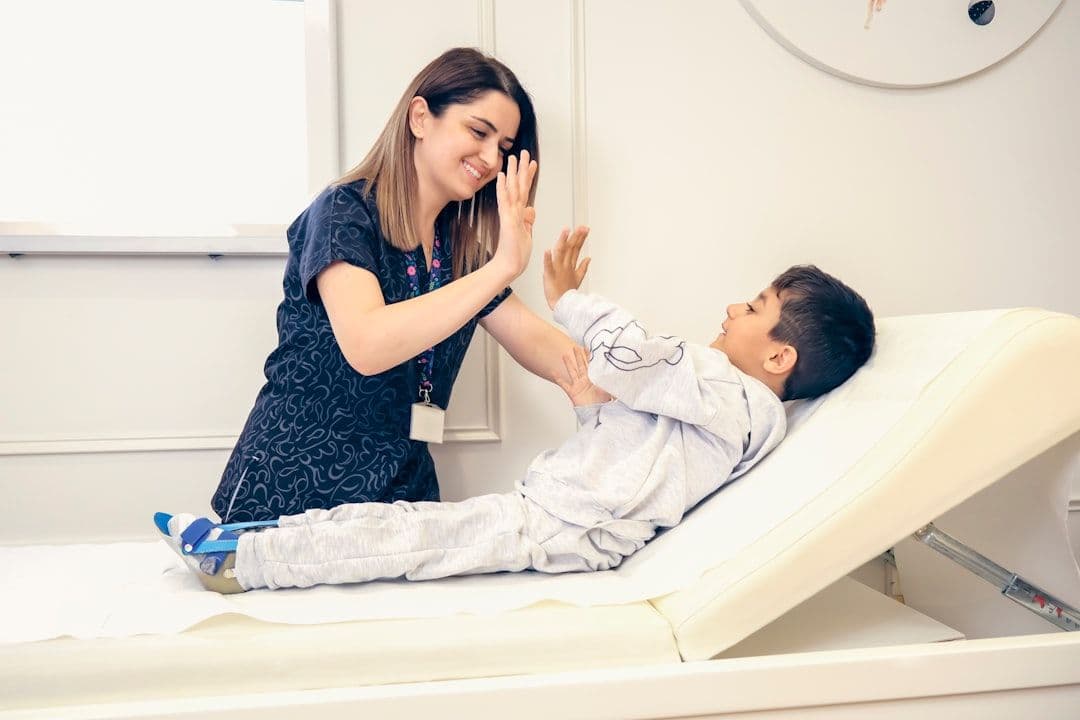
Treatment sessions adapt to attention spans: 15-20 minutes for toddlers, up to 45 minutes for teenagers. A massage session might include storytelling, music, or allowing the child to "help" by holding oils or choosing scents. Herbal consultations involve taste-testing safe preparations or learning about plants through games.
Parents remain present throughout, learning techniques to continue at home. Practitioners teach simple massage strokes, breathing exercises disguised as play, or dietary modifications that support the child's constitution. Follow-up occurs more frequently than with adults—weekly initially, then spacing out as improvements stabilise.
Research Reality and Clinical Experience
The evidence base varies dramatically across paediatric complementary approaches. Massage therapy for premature infants has solid research support, showing improved weight gain and shorter hospital stays. Certain probiotics demonstrate effectiveness for specific digestive conditions in children. Some herbal preparations have modest evidence for childhood ailments, though dosing studies remain limited.
However, much paediatric complementary health operates in areas where randomised controlled trials are challenging—both ethically and practically. Recruiting children for research raises complex consent issues, and placebo controls become complicated when treatments involve touch or require parental participation.
Clinical experience and parental reports provide valuable insights where formal research lags. Practitioners consistently report improvements in sleep quality, digestive comfort, and emotional regulation. Parents frequently note enhanced family bonding and their own increased confidence in supporting their child's wellbeing through learned techniques.
Finding Qualified Care and Practical Considerations
Paediatric complementary practitioners require additional training beyond basic certification in their modality. Look for practitioners with specific paediatric qualifications, child development knowledge, and registration with relevant bodies like the CNHC or professional associations such as the Federation of Holistic Therapists.
Session costs typically range from £40-80, with initial consultations often higher. Treatment frequency varies: acute issues might require weekly sessions initially, while constitutional approaches may involve monthly sessions over several months. Many practitioners offer family packages or teach parents techniques to reduce ongoing costs.
Expect practitioners to work collaboratively with your child's GP and other healthcare providers. They should never suggest stopping prescribed medications or delaying necessary medical care. Red flags include practitioners who diagnose serious conditions, promise cures, or discourage conventional medical relationships.
Start by identifying practitioners through professional bodies, seeking referrals from your GP, or connecting with other parents who've had positive experiences. Initial consultations provide opportunities to assess whether the practitioner's approach aligns with your family's needs and values.