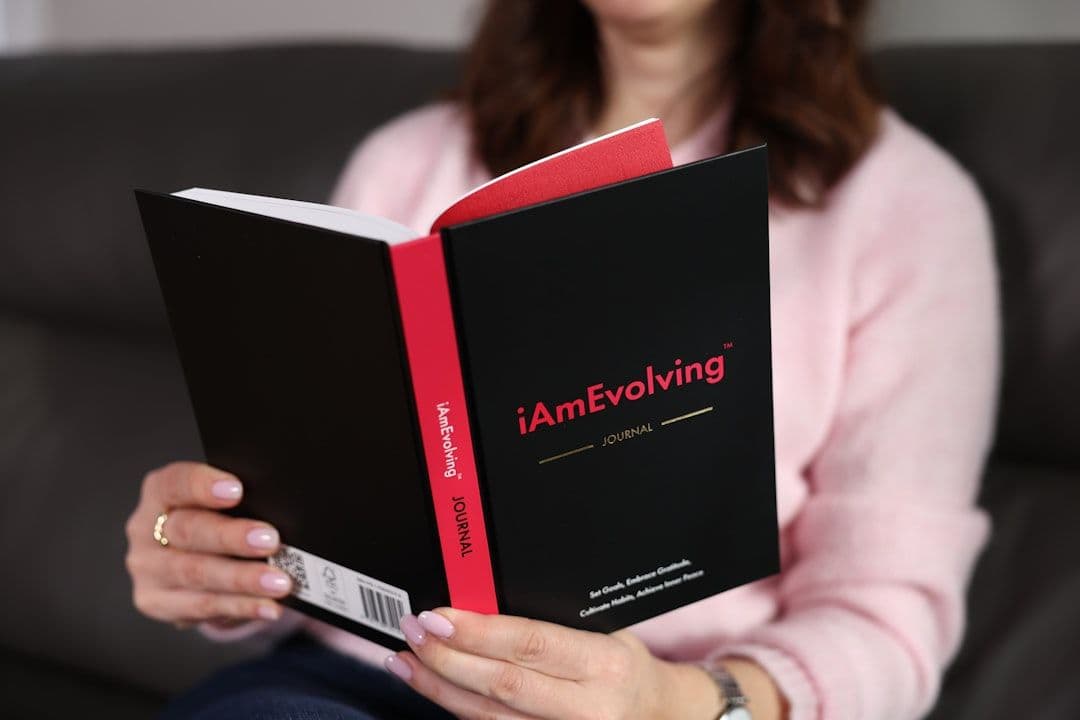
What Is Personal Development?
Personal development is a broad, self-directed approach to enhancing various aspects of one's life through structured learning, reflection, and skill-building. Rather than targeting a specific diagnosis or symptom, it focuses on building self-awareness, developing resilience, clarifying values, and acquiring practical tools for managing life's challenges.
At its core, personal development rests on the idea that individuals have the capacity to learn, grow, and adapt throughout their lives. It draws on principles from psychology, coaching, philosophy, and educational practice. Unlike therapy, which typically addresses psychological distress or diagnosed conditions, personal development emphasizes growth and capability-building alongside emotional wellbeing.
Personal development can take many forms: structured coaching programs, self-help frameworks, group workshops, online courses, or one-on-one mentoring. Common themes include goal-setting, habit formation, emotional intelligence development, communication skills, boundary-setting, and finding or clarifying personal values. The process is typically collaborative, with practitioners guiding clients through reflection and strategy-building rather than providing diagnosis or treatment.
It is important to understand that personal development operates alongside rather than in place of medical and psychological care. For individuals managing diagnosed mental health conditions, personal development can be a valuable complement to therapy, counselling, or medication, but it should not be used as a substitute.
How Does It Work?
Personal development works through several interconnected mechanisms. First, it builds self-awareness by encouraging structured reflection on thoughts, feelings, behaviours, patterns, and values. This awareness creates the foundation for change because you cannot meaningfully shift what you do not fully understand.
Second, it teaches concrete skills and tools. These might include cognitive techniques for managing anxious thoughts, communication strategies for difficult conversations, boundary-setting frameworks, habit-building methods, or goal-planning processes. These tools are practical and can be applied immediately to daily life.
Third, personal development emphasizes values clarification and meaning-making. By reconnecting with what truly matters to you, you gain motivation and direction. This is particularly relevant for burnout recovery or adjustment to major life changes, where individuals often feel disconnected from purpose.
Fourth, it leverages accountability and support. Working with a coach or in a structured program creates external motivation and a safe space to explore challenges. The practitioner often helps you identify obstacles, celebrate progress, and refine strategies.
The mechanisms work together to foster resilience, which is the capacity to navigate difficulty, adapt to change, and recover from setback. Rather than removing stressors entirely, resilience helps you meet them with greater flexibility, emotional regulation, and practical capability.
Personal development also often draws on cognitive-behavioural principles—the understanding that thoughts, feelings, and behaviours are interconnected and that shifting one can influence the others. This evidence-based foundation helps explain why the approach can support emotional regulation and coping.
What Does a Session Involve?
The structure and content of a personal development session vary depending on the practitioner, the modality (coaching, workshop, course, etc.), and the client's goals. However, typical sessions share common elements.
A one-on-one coaching session often begins with check-in: the practitioner asks how you are doing and what is on your mind. This creates space and builds the relationship. The session then typically focuses on a specific area—a goal you are working towards, a challenge you are facing, or a skill you want to develop.
The practitioner may use questioning to help you clarify your thinking, identify patterns, or explore options. This reflective process is core to personal development; rather than giving advice, skilled practitioners guide you to your own insights. You might be asked questions like: What would success look like? What is holding you back? What have you tried before? What values matter most here?
Together, you might identify actionable steps—concrete things you can do before the next session. These might be small behavioural experiments, reflective exercises, or skill practice. Progress between sessions matters; personal development is not passive.
Group workshops or courses follow a different structure. These typically involve education (learning a framework or skill), discussion, and sometimes guided reflection exercises. Participants often leave with tools to practice independently.
Session length varies but typically ranges from 30 minutes to an hour for individual coaching. The number of sessions depends on your goals and the depth of change you seek. Some people work with a practitioner for a few sessions to address a specific challenge; others engage in longer-term relationships for ongoing growth and accountability.
Throughout any personal development work, expect to be an active participant. You are not passively receiving treatment but rather engaging in a collaborative process of learning and change.
Who May Benefit?
Personal development can support a wide range of people across different life circumstances. It is particularly helpful for those navigating significant life transitions—such as career changes, relationship endings, moving, or retirement—where building new skills and perspective can ease adjustment.
People experiencing mild to moderate anxiety or stress often benefit from personal development's focus on coping tools and emotional regulation. Learning to manage worry, set boundaries, and build resilience can reduce the intensity of anxious symptoms and improve quality of life.
Individuals recovering from burnout frequently find personal development valuable for reconnecting with values, reassessing priorities, and rebuilding a sustainable approach to work and life. The emphasis on purpose and boundary-setting directly addresses the disconnection and exhaustion characteristic of burnout.
Those working on social skills, communication, or self-esteem benefit from personal development's focus on interpersonal effectiveness. Practicing new communication patterns in a supportive setting, then applying them in real life, builds confidence and social capability.
People processing grief or loss can use personal development frameworks to integrate their experience, find meaning, and move forward while honouring what they have lost. This is most effective when combined with grief counselling or therapy if the loss is recent or complicated.
Personal development is also suitable for people simply seeking greater self-awareness, clarity, or life satisfaction—those who are not in crisis but want to live more intentionally and authentically.
However, personal development is less appropriate as a first-line intervention for acute mental health crises, severe depression or anxiety, psychosis, suicidality, or active substance abuse. In these situations, professional mental health assessment and treatment are essential. Personal development can follow or complement professional care, but it should not delay access to needed mental health services.
What Does the Evidence Say?
The evidence base for personal development is moderate and growing, with research supporting its use particularly as a complement to standard care rather than a standalone treatment. Research quality and applicability vary depending on the specific approach and outcome measured.
Cognitive-behavioural coaching—a common personal development modality—has been studied in several contexts. Reviews show moderate benefits for goal achievement, resilience, and general wellbeing. Palmer and Szymanska's work on coaching psychology demonstrates its utility in enhancing personal well-being alongside professional practice.
For anxiety and stress management, personal development approaches that teach cognitive and behavioural skills show moderate efficacy. The underlying mechanisms are sound: learning to identify and challenge anxious thoughts, building coping strategies, and gradually facing fears are all evidence-informed techniques that also form the basis of clinical cognitive-behavioural therapy.
For burnout recovery, research suggests that interventions combining values clarification, stress management, and lifestyle change produce moderate improvements in burnout symptoms and job satisfaction. Personal development that addresses meaning and boundary-setting aligns with these evidence-supported factors.
For adjustment to life transitions, resilience-building approaches show moderate benefits in helping people adapt to change and manage the emotional and practical demands of transition.
However, the evidence is not as robust as it is for established psychological therapies such as cognitive-behavioural therapy or interpersonal therapy for specific mental health diagnoses. Most evidence suggests personal development is most effective when it is part of a broader care approach that may include therapy, counselling, medical care, or support networks.
It is also important to note that the quality and outcomes of personal development depend heavily on the skill, training, and approach of the practitioner. Certified coaches with formal training in psychology-based methods tend to produce better outcomes than those without structured training.
Safety and Considerations
Personal development is generally safe, but there are important safety considerations and limitations to understand.
Personal development is not a substitute for professional mental health treatment. If you have a diagnosed mental health condition, are taking psychiatric medication, or are experiencing thoughts of self-harm, consult a qualified mental health professional before or alongside any personal development work. Personal development can complement professional care but should never delay or replace needed treatment.
Individuals with trauma histories, particularly those with post-traumatic stress disorder or complex trauma, should work with trauma-informed practitioners. Standard personal development techniques involving deep reflection or emotional intensity can be retraumatizing if not delivered with proper training and safeguards.
During personal development work, it is normal to experience some emotional discomfort as you explore difficult patterns or face challenges. However, a qualified practitioner will create a safe, supportive environment and may recommend pausing, adjusting the pace, or seeking additional professional support if emotional distress becomes overwhelming.
Be cautious of practitioners who make unrealistic claims—those who promise to 'cure' conditions, guarantee specific outcomes, or suggest discontinuing prescribed medication. Effective personal development is honest about what it can and cannot do.
Ensure your practitioner has clear boundaries around their qualifications. A personal coach is not a therapist; they should not attempt to diagnose conditions, provide therapy, or claim credentials they do not hold. Conversely, a therapist can use personal development principles, but this is different from pure coaching.
Finally, personal development requires your active engagement and willingness to try new things and reflect honestly. If you are in a crisis, experiencing acute suicidality, or unable to engage in self-reflection due to severe depression or other acute symptoms, professional crisis intervention and mental health treatment are more appropriate than personal development.
How to Find a Qualified Practitioner
Finding a qualified personal development practitioner requires checking credentials, understanding their training, and assessing their approach.
Look for practitioners with formal qualifications in coaching, counselling, psychology, or related fields. Recognised certifications include credentials from bodies such as the International Coach Federation, the European Mentoring and Coaching Council, or national counselling and psychotherapy bodies depending on your location. These organisations typically require supervised training, ongoing professional development, and adherence to ethical standards.
Ask about the practitioner's background. Do they have formal education in psychology, behavioural science, or related disciplines? Have they completed an accredited coaching or counselling program? How many hours of supervised practice have they completed? Avoid practitioners who have only attended short workshops or are self-certified without third-party accreditation.
Understood the practitioner's specific approach. Do they use evidence-informed methods such as cognitive-behavioural techniques? Can they explain their methodology clearly? Ask for references or testimonials from previous clients if possible. A good practitioner should be transparent about their methods and realistic about what personal development can and cannot do.
Consider their scope. A personal coach may not be qualified to address serious mental health symptoms; a therapist or counsellor is more appropriate for diagnosed conditions. Some practitioners hold dual qualifications (such as a psychologist who also practises coaching). Clarify what they are offering and whether it matches your needs.
Check ethical standards. The practitioner should have clear confidentiality policies, professional liability insurance, and a code of ethics. They should be willing to discuss these if asked. They should never suggest sexual or romantic involvement, excessive personal self-disclosure, or inappropriate relationships.
Trust your instinct. In an initial consultation, does the practitioner listen carefully? Do they ask questions about your needs, goals, and background? Do they create a sense of safety and respect? Do they avoid making grandiose claims? A good match between practitioner and client is important for effective work.
Finally, check whether they explicitly recommend that you continue or consult with your doctor or mental health professional if you are being treated for a condition. A practitioner who encourages you to stop medication or avoid professional care without involving your doctor is not acting ethically and should be avoided.